
Keep reading
Nearby & related
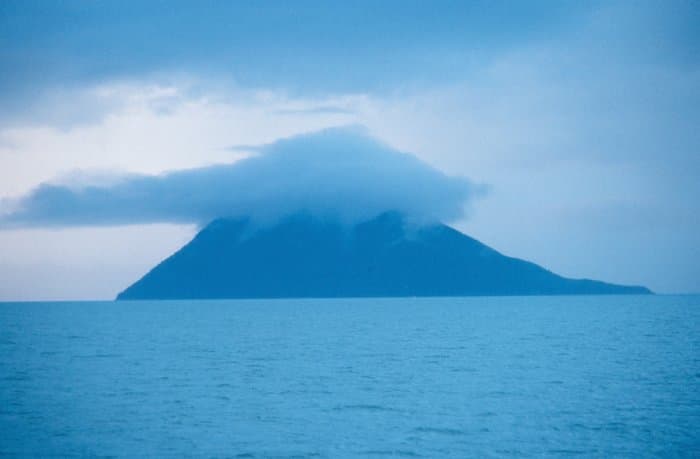
Kayak Island: Remote Alaskan Wilderness Where Captain Cook First Landed
Explore the dramatic shores, old-growth forests, and wildlife-rich waters of this uninhabited Gulf of Alaska island.
14 August 2026
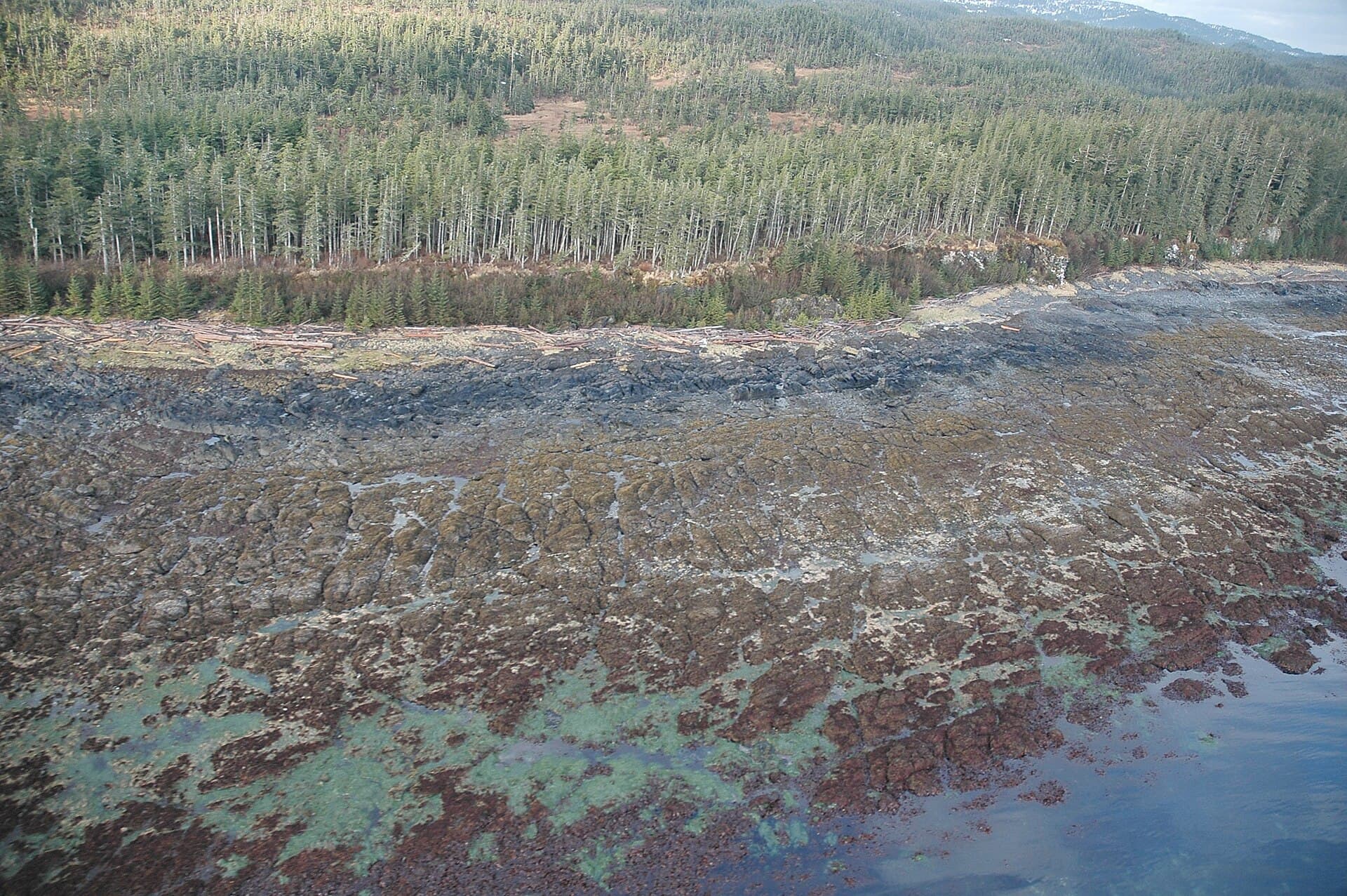
Remote and roadless, Montague Island delivers raw Prince William Sound scenery, marine wildlife, and backcountry solitude accessible only by boat or floatplane.
Montague Island is the largest of the Chugach Islands, stretching roughly 50 miles along the outer edge of Prince William Sound. Its rugged coastline mixes sheltered bays with exposed Pacific beaches, while interior forests of Sitka spruce and alder give way to alpine meadows. The absence of roads or permanent settlements keeps the island wild, making it a prime destination for travelers seeking genuine Alaskan remoteness rather than developed attractions.
Access begins from the mainland communities of Seward, Whittier, or Cordova. Most visitors charter a boat or take a floatplane across the sound; the crossing from Seward typically takes three to four hours by vessel, depending on weather and route. Once on the island, movement is by foot, kayak, or skiff. No public ferry service exists, so independent travelers must arrange round-trip transport in advance and plan for weather delays.
June through early September offers the most reliable weather windows, with long daylight hours and calmer seas. Peak summer also coincides with salmon runs that draw harbor seals, sea otters, and occasional brown bears to the shoreline. Shoulder months of May and September can be pleasant but bring higher chances of rain and stronger winds. Winter travel is possible only for experienced expeditions equipped for extreme conditions.
Kayakers favor the protected waters of Montague Strait and Zaikof Bay for day trips or multi-day paddles. Beaches along the southern shore frequently host resting sea lions and otters. Inland, unmarked trails lead to small lakes and ridgelines with views across the Gulf of Alaska. Anglers cast for halibut and rockfish from shore or small boats. Birders watch for puffins, murres, and bald eagles nesting on cliffs. Overnight camping is permitted on most public land; choose established sites above the tide line to minimize impact.
From Montague, boaters can continue to Hinchinbrook Island or the smaller islands of the Chugach group for additional paddling routes. Prince William Sound’s tidewater glaciers lie roughly 30 miles northwest, reachable in a long day by fast boat. Many charters combine Montague with stops at the abandoned settlements of Port Chalmers or the historic lighthouse on the island’s eastern tip.
Most of the island falls within Chugach National Forest, where dispersed camping is allowed without permits. Special restrictions may apply near the lighthouse or research sites; check current USFS notices before travel.
No stores, lodges, or maintained trails exist. Visitors must be fully self-sufficient with food, water, shelter, and waste management for the duration of their stay.
Harbor seals, sea otters, and Steller sea lions are frequently seen along the coast. Brown bears appear near salmon streams in summer, and seabird colonies occupy offshore rocks.
A minimum of three days allows time for travel, weather buffers, and exploration. Five to seven days is ideal for paddling or hiking deeper into the interior.
The island suits experienced kayakers and backpackers comfortable with remote conditions. Novices should join a guided trip rather than attempt independent travel.
Keep reading
Explore the dramatic shores, old-growth forests, and wildlife-rich waters of this uninhabited Gulf of Alaska island.