Keep reading
Nearby & related
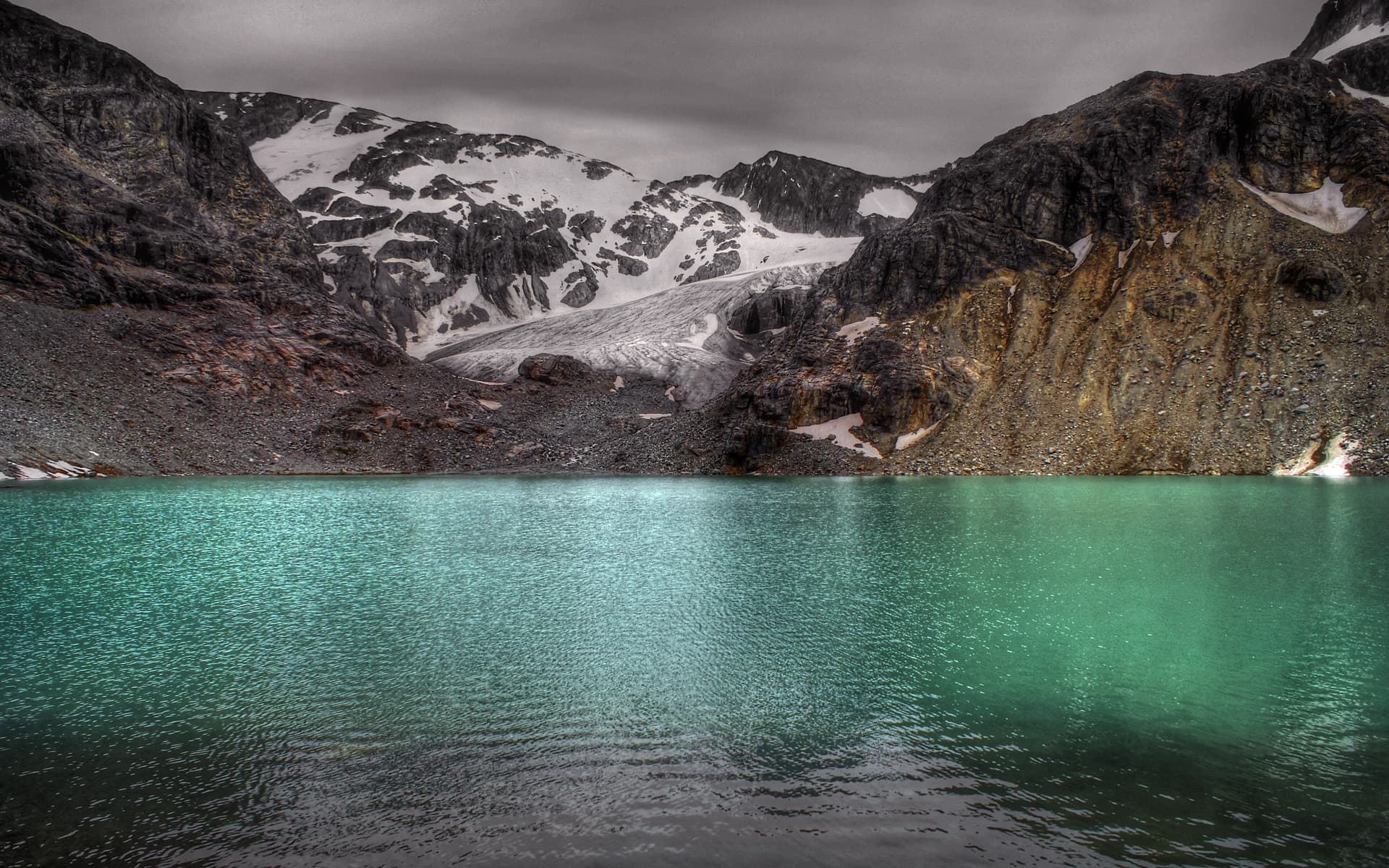
Wedgemount Lake: Hiking to a Turquoise Alpine Gem Near Whistler
A rewarding backcountry trek leads to glacial waters and sweeping mountain views in British Columbia’s Coast Range.
8 August 2026
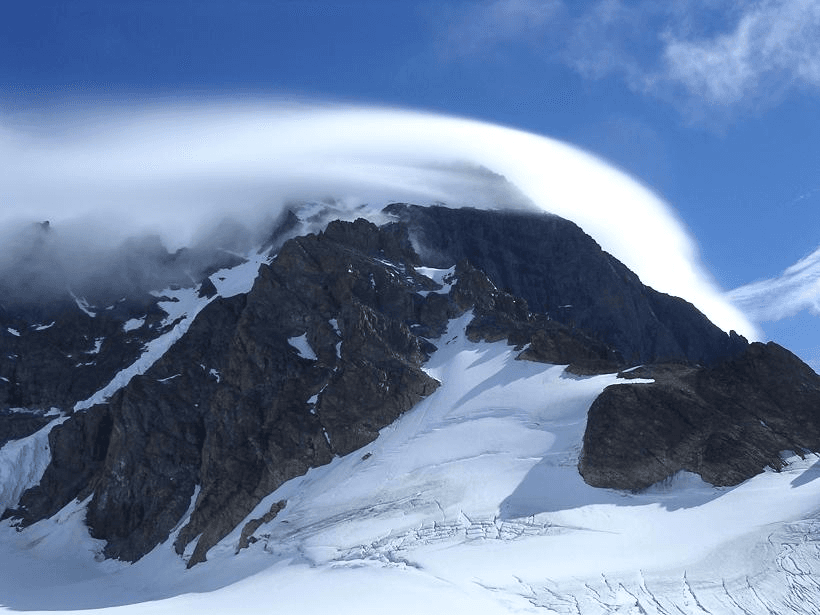
A guide to reaching, exploring, and experiencing this striking peak in Tweedsmuir South Provincial Park.
Monarch Mountain rises prominently in the remote Coast Mountains of British Columbia, offering hikers and nature enthusiasts a true wilderness experience away from crowded trails. Its steep granite faces and alpine meadows provide sweeping views across the Atnarko River valley and surrounding peaks within Tweedsmuir South Provincial Park. The mountain’s isolation means visitors often have the landscape to themselves, with opportunities to spot grizzly bears, mountain goats, and diverse bird species.
Access begins from the Bella Coola Valley or the Chilcotin Plateau. Travelers typically drive Highway 20 to the park boundary, then follow forestry roads and trailheads that lead toward the mountain’s lower slopes. A high-clearance vehicle is essential for the final approach, and some visitors arrange float-plane transfers from coastal communities for a more direct route. The journey rewards those who plan carefully with pristine, uncrowded terrain.
July through September offers the most reliable conditions for hiking and camping, when snow has melted from trails and wildflowers carpet the meadows. Shoulder seasons in June and early October can bring fewer people but require preparation for variable weather and lingering snow. Winter visits are possible only for experienced backcountry travelers equipped for deep snow and avalanche awareness.
The primary route follows an old mining trail that climbs steadily through subalpine forest before opening into rocky bowls and ridgelines. Summit attempts involve route-finding across boulder fields and require good navigation skills. Shorter day hikes along lower creeks provide excellent wildlife viewing without committing to the full ascent. Photographers prize the golden-hour light on the mountain’s north face and the reflections in nearby tarns.
Combine a Monarch Mountain trip with exploration of the Atnarko River salmon runs, the historic Mackenzie Grease Trail, or the dramatic fjords of North Bentinck Arm. The Bella Coola Valley offers hot springs, small museums, and Indigenous cultural experiences that complement time spent on the mountain.
Keep reading
A rewarding backcountry trek leads to glacial waters and sweeping mountain views in British Columbia’s Coast Range.
The terrain is demanding and unmarked in places, so it suits experienced hikers comfortable with route-finding and elevation gain.
No specific summit permit is required, but backcountry camping in Tweedsmuir South Provincial Park follows standard park registration rules.
Grizzly bears, black bears, mountain goats, and marmots are commonly seen; proper food storage is mandatory.
A full day is typical for fit hikers, with many choosing to camp overnight to enjoy sunrise and sunset views.
There are no services on site; visitors must be fully self-sufficient with water, shelter, and navigation tools.
This serene lake in British Columbia’s Rockies delivers quiet paddling, trout fishing, and easy access to dramatic peaks…
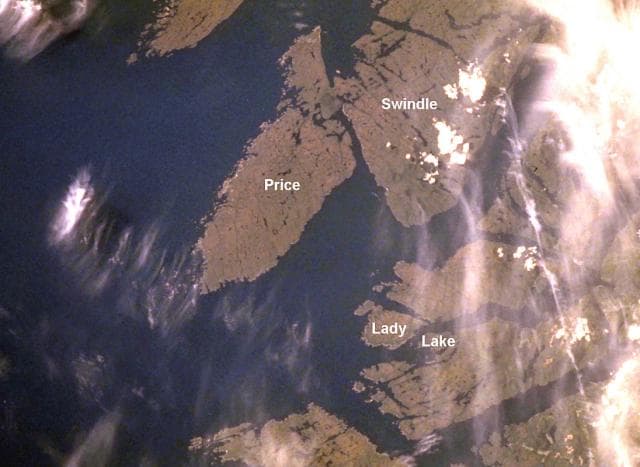
Discover pristine rainforest, marine wildlife, and quiet anchorages on this secluded island in the Inside Passage.