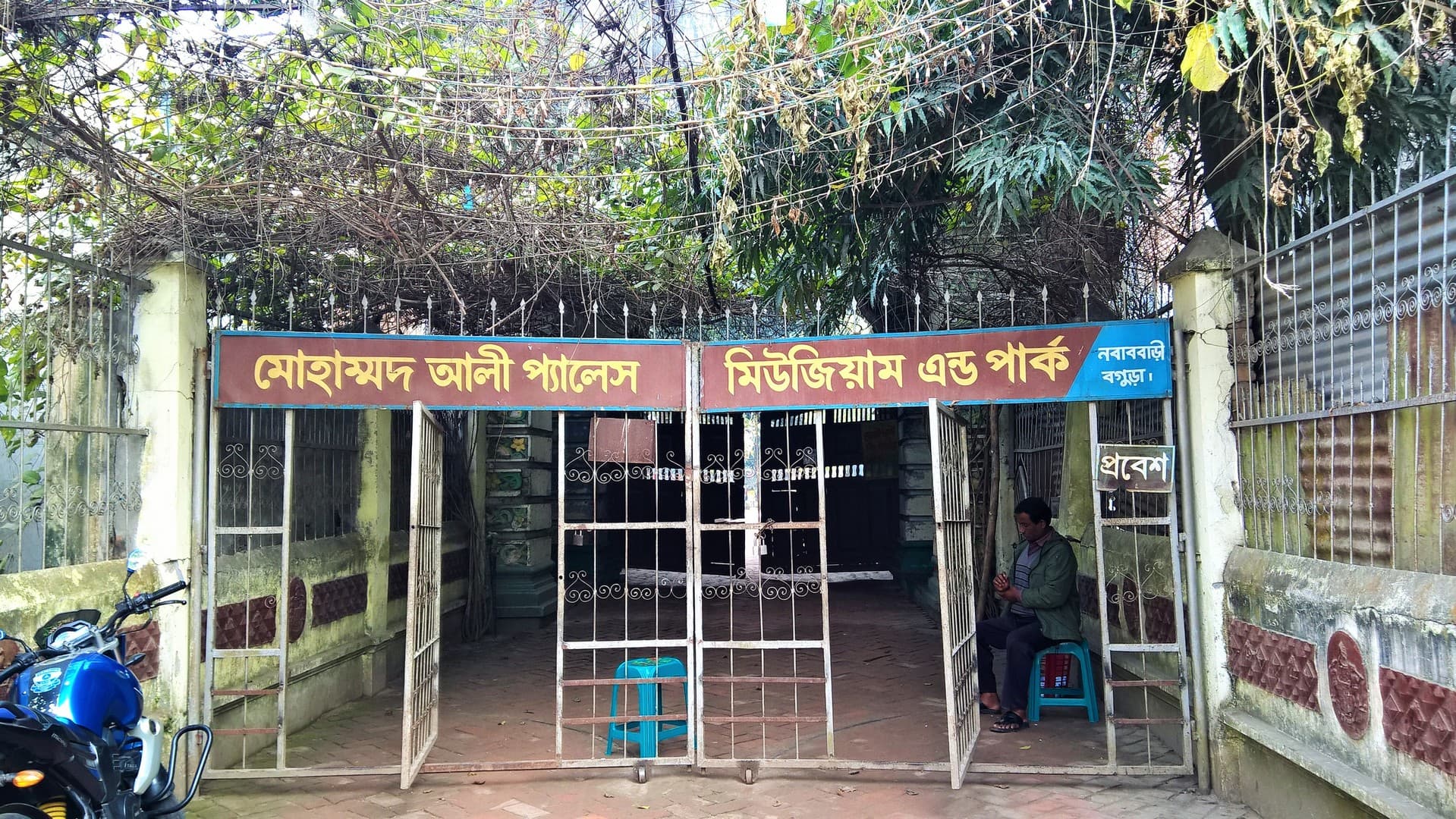
Why Visit Mohammad Ali Palace Museum
Located in Bogura District, the Mohammad Ali Palace Museum preserves a rare surviving example of a zamindar residence that once defined rural elite life in Bengal. The palace’s blend of European and traditional Bengali architectural elements offers visitors a tangible connection to the region’s social history and material culture.
Architecture and Collections
The two-storey brick structure features arched verandas, ornate plasterwork, and spacious courtyards that reflect the prosperity of its original owner. Inside, exhibits include period furniture, antique coins, handwritten manuscripts, and household items that illustrate daily life for wealthy landowners in the late 1800s and early 1900s. The displays emphasize continuity rather than isolated objects, showing how architecture, dress, and domestic routines intersected.
Ground Floor Highlights
- Reconstructed reception rooms with original teak furniture and wall hangings
- Displays of agricultural tools and land records that explain the zamindari system
- Photographs documenting the palace’s construction and subsequent modifications
Upper Floor and Courtyard
Visitors ascend a wide staircase to view private quarters and a small library. The central courtyard, planted with mature trees, provides a quiet space to appreciate the scale of the estate and imagine its former role in local society.
Getting There
Bogura town serves as the main gateway. From the central bus terminal or railway station, local auto-rickshaws and shared taxis reach the museum in under twenty minutes. The site lies along established routes connecting Bogura with Rajshahi and Dhaka, making it convenient for travelers crossing northern Bangladesh.
Best Time to Visit
November through February offers the most comfortable temperatures for walking the grounds and exploring the open courtyards. Monsoon months bring lush greenery but occasional flooding on approach roads, while summer heat limits outdoor time to early morning or late afternoon.
Nearby Attractions
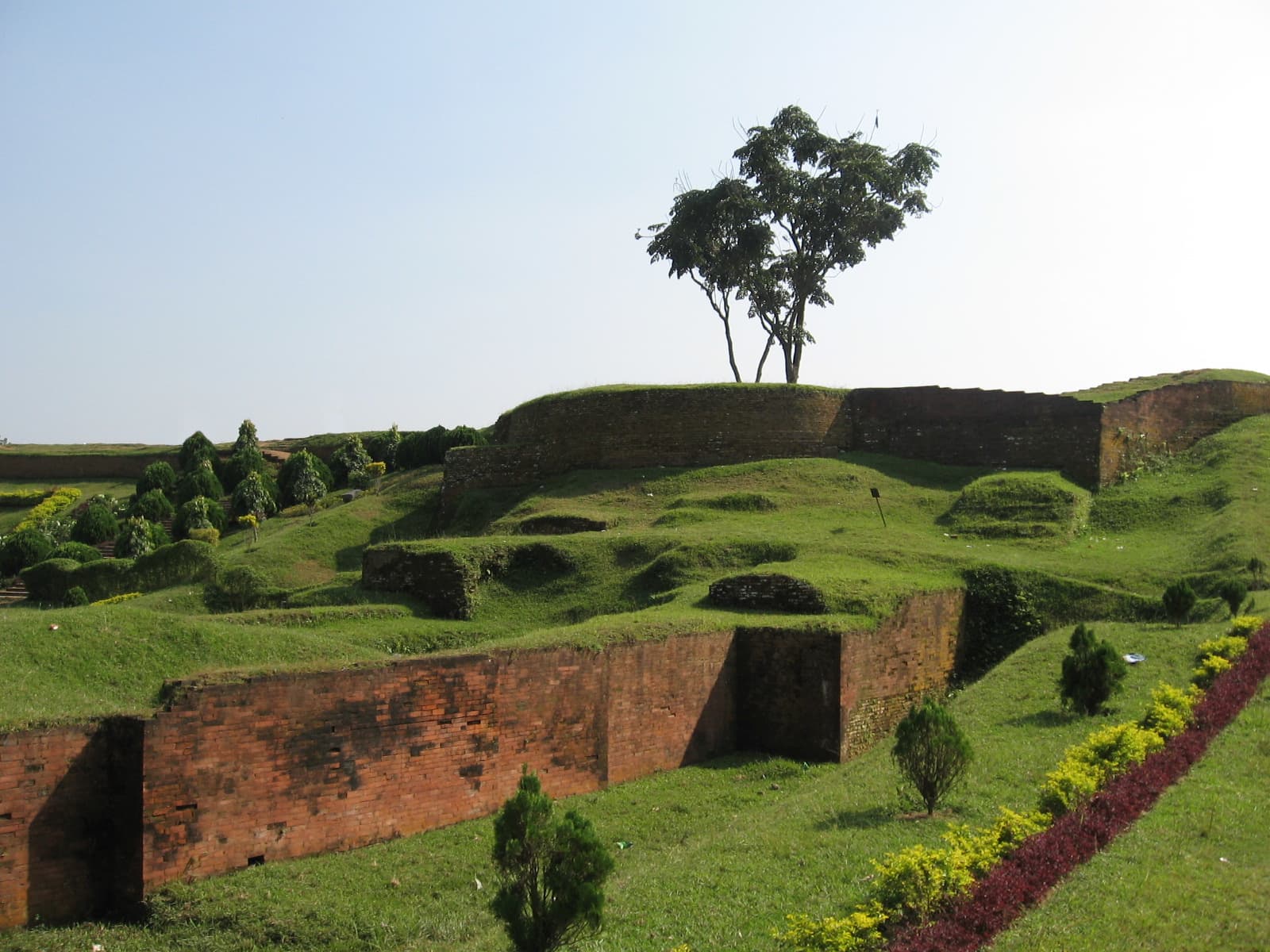
Combine a visit with the ancient ruins at Mahasthangarh, roughly twenty kilometers north, or the terracotta temples of nearby villages. The same day trip can include the Bogura market for regional sweets and handloom textiles, giving a fuller picture of the district’s living culture alongside its historic sites.