Why Meloneras Stands Out
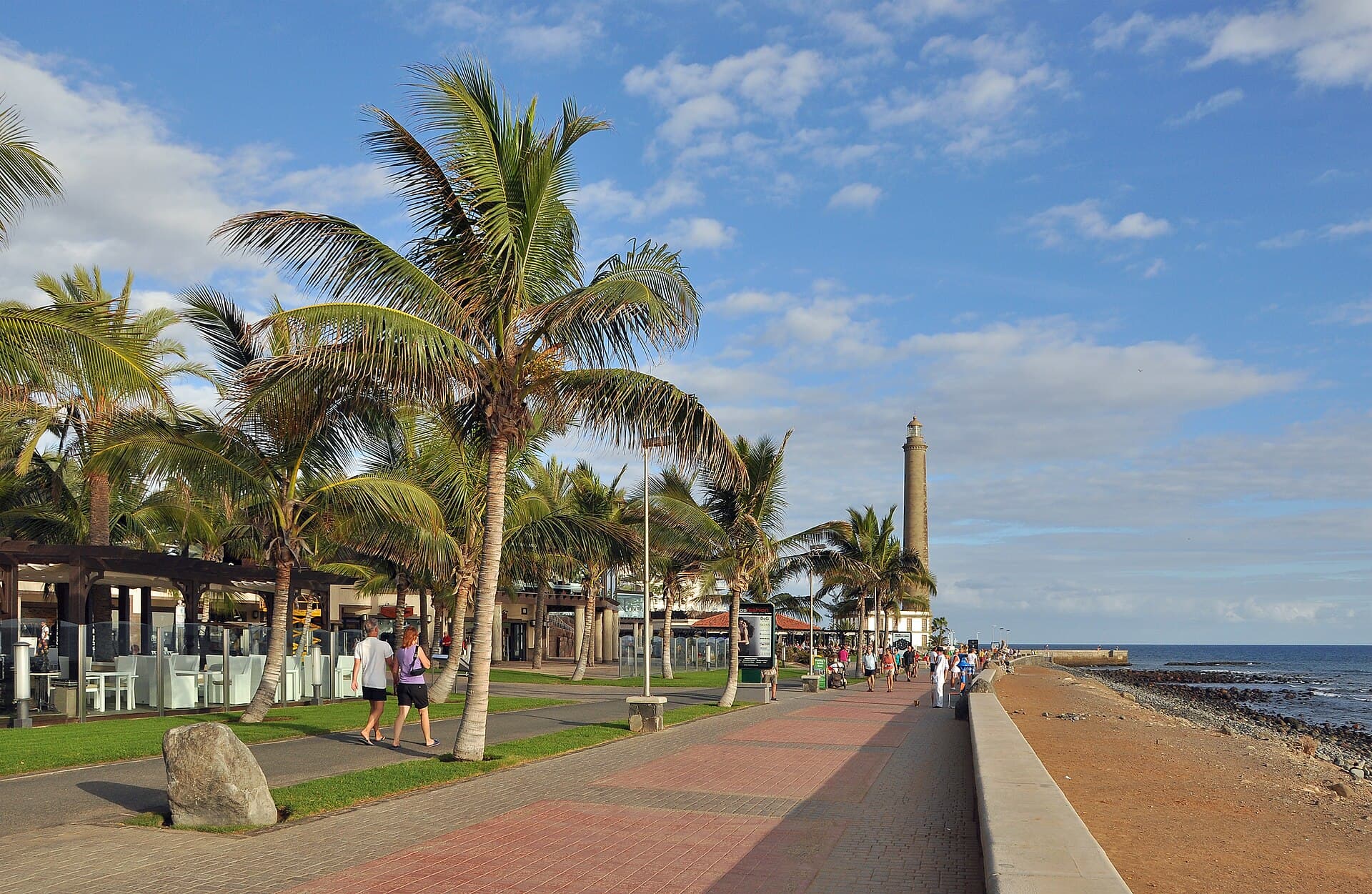
Located on the arid southern coast of Gran Canaria, Meloneras delivers a more relaxed beach experience than the high-rise zones of Playa del Inglés. Its dark volcanic sand absorbs heat quickly, creating warm patches ideal for barefoot walks, while the Atlantic swell remains moderate thanks to protective breakwaters. The area’s signature feature is its straight, kilometer-long promenade shaded by mature palms and punctuated by modern sculptures, making it perfect for evening strolls between luxury hotels and low-rise apartment complexes.
Beaches and Coastal Activities
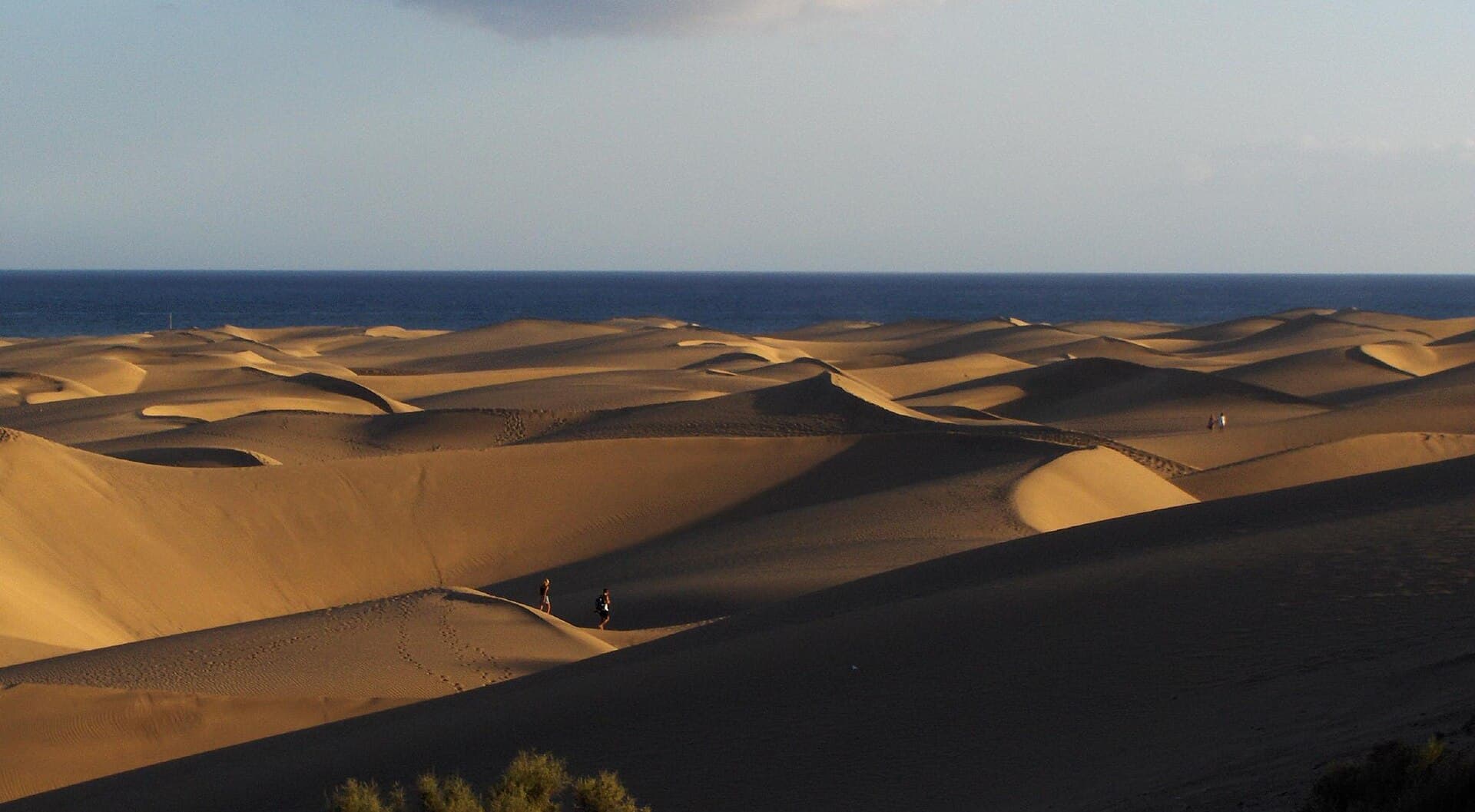
The main beach stretches wide and gently shelving, with sections marked for swimming and others left natural for sunbathing. Stronger winds in the afternoons often attract beginner windsurfers near the western end. A short walk west leads to the edge of the Maspalomas dunes, where visitors can hike the marked paths toward the iconic lighthouse without entering the busiest tourist corridors. For golfers, the adjacent 18-hole course offers sea views and trade-wind challenges that change daily.
Promenade Highlights
- Public art installations and shaded benches every few hundred meters.
- Viewpoints overlooking both the beach and the distant mountains of Fataga.
- Direct access to several hotel pools and spa facilities open to day guests via passes.
Getting There and Getting Around
Most travelers arrive via Gran Canaria Airport, a 25-minute drive south along the GC-1 highway. Rental cars provide flexibility for exploring the interior, while frequent buses connect Meloneras directly with the airport, Maspalomas, and Las Palmas. Once on site, the flat promenade serves as the main artery; everything from the beach to restaurants lies within a 15-minute walk. Taxis and ride-hailing apps operate reliably outside peak evening hours.
Best Time to Visit
The subtropical climate keeps air and sea temperatures comfortable year-round. Winter months bring the most reliable sunshine and the fewest crowds, while spring and autumn offer ideal conditions for longer dune hikes. Summer afternoons can see stronger trade winds, appreciated by sailers but less so by sunbathers. Early mornings deliver the calmest water and the best light for photography along the promenade.
Nearby Attractions Worth Combining
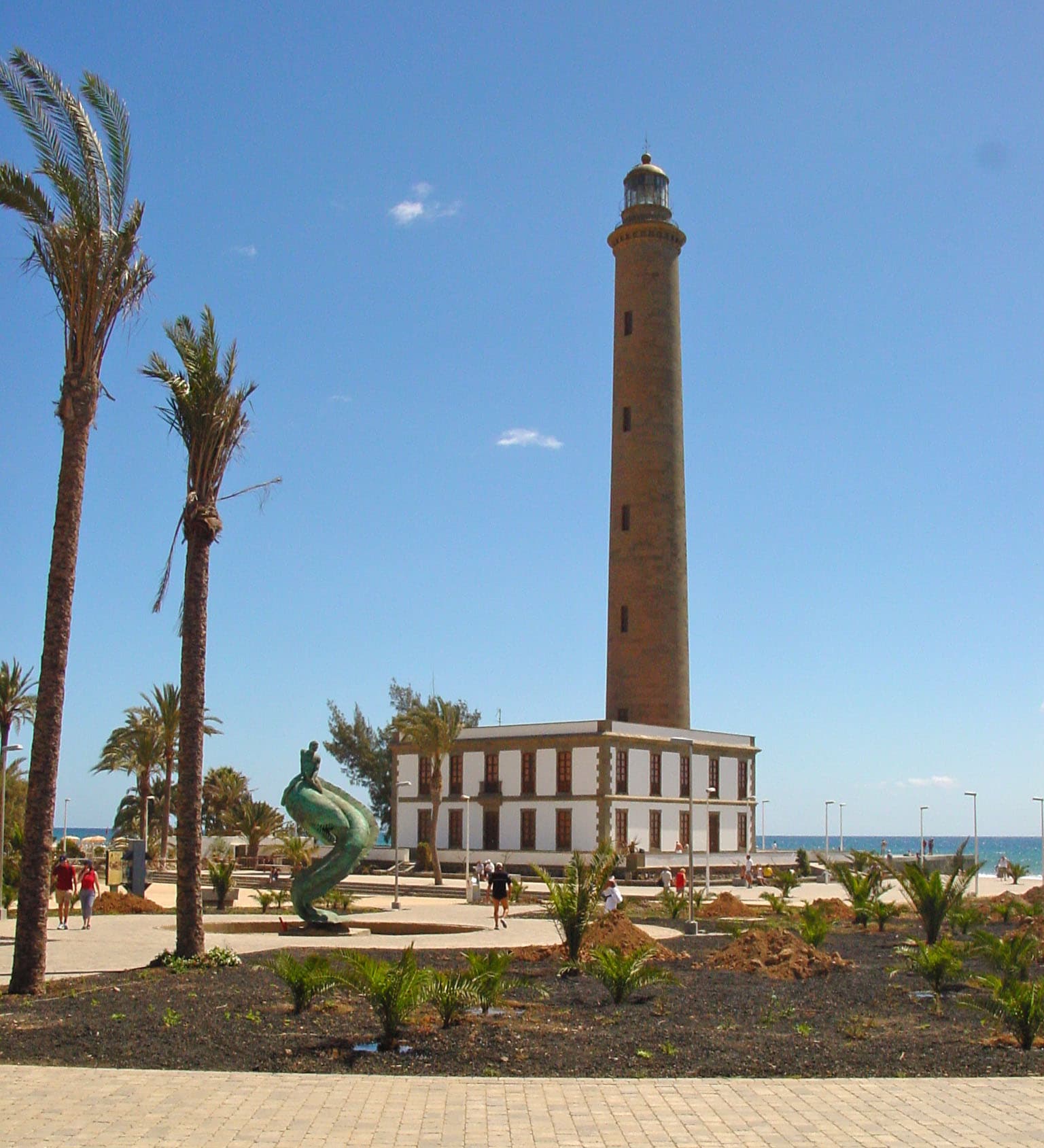
Just beyond the dunes sits the Maspalomas Lighthouse, a 19th-century landmark with surrounding cafés. Inland, the Fataga valley offers dramatic ravine drives and small villages known for goat cheese and almond products. Water-park enthusiasts often pair a Meloneras beach morning with an afternoon at nearby Aqualand. For a change of scenery, the fishing harbor of Puerto de Mogán lies 20 minutes west by car, offering boat trips and a completely different coastal atmosphere.