
Keep reading
Nearby & related
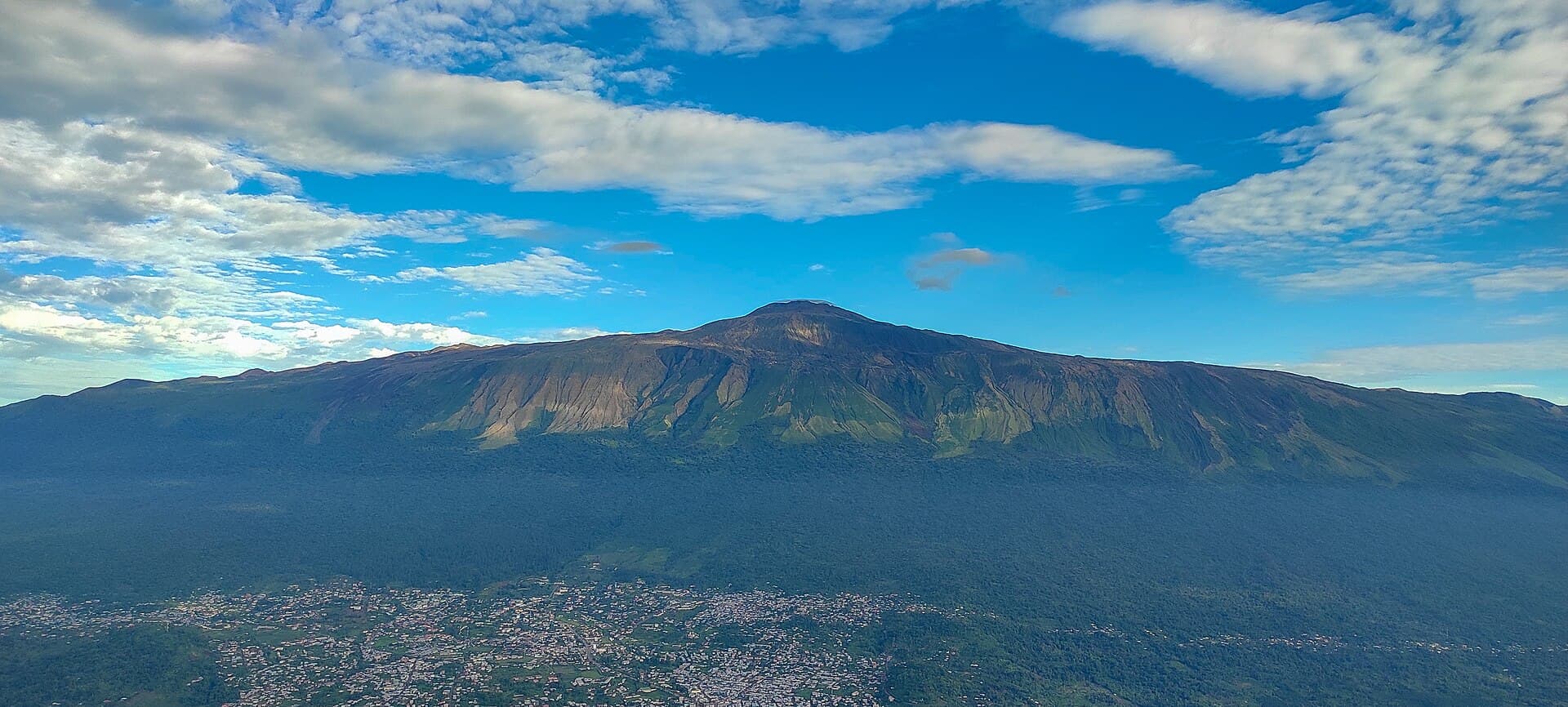
Mount Cameroon: Scaling West Africa’s Highest Peak
Hike the dramatic volcanic slopes of Mount Cameroon through rainforests and grasslands to the summit of this active West…
27 October 2026
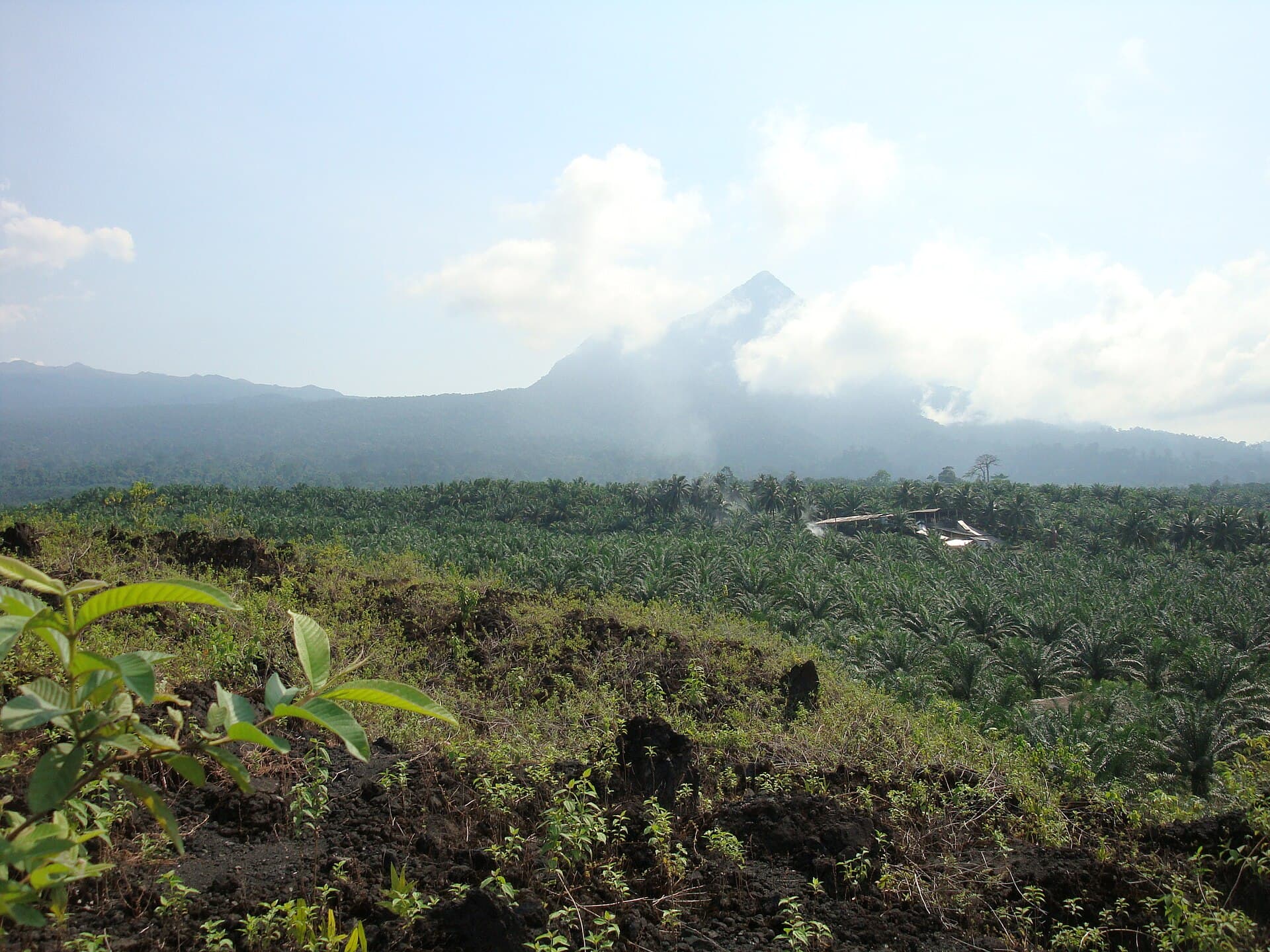
Tackle the accessible trails of this smaller volcanic peak for sweeping views of the Atlantic and the main Cameroon massif.
Little Mount Cameroon, also called Etinde, rises as a distinct volcanic cone south of its larger namesake in Cameroon’s Fako Division. Its slopes combine dense rainforest, lava outcrops, and open ridges that deliver clear sightlines to the ocean and the main Mount Cameroon peak. The mountain rewards visitors with a compact, full-day hike that reveals the region’s volcanic geology without the multi-day commitment required for the bigger summit.
Most travelers start from Buea, the regional hub on the lower flanks of Mount Cameroon. Shared taxis and motorbike taxis run regularly from Buea market to the trailhead villages of Bokwango and Tole. From these points, footpaths lead upward through farmland into the forest reserve. Those arriving from Douala can take the coastal road to Limbe then continue inland to Buea, a journey of roughly two hours by car.
The drier months from November through February offer the clearest skies and firmer trails. Rainfall decreases markedly during this period, reducing mud and leeches on the lower slopes. March and April still allow hiking but bring occasional heavy showers. Avoid the peak rainy season from June to September when paths become slippery and visibility drops.
The standard route begins near Tole tea estate and climbs steadily through secondary forest before opening onto grassy ridges. Hikers pass several old lava flows and small craters now cloaked in vegetation. On clear days the summit affords panoramic views stretching from the Atlantic coast to the forested caldera of Mount Cameroon. A loop option descends via the eastern flank, passing abandoned colonial-era plantations.
Lower elevations feature tall trees draped in epiphytes and stands of giant lobelia. Higher up, the vegetation shifts to montane grassland with scattered orchids. Birders often spot turacos and sunbirds, while small antelope such as duiker inhabit the undergrowth. The mountain lies within a protected area, so wildlife remains relatively undisturbed.
Combine the hike with a visit to the nearby Mount Cameroon summit trailhead in Buea or the black-sand beaches and botanical gardens of Limbe. The town of Tiko offers markets and mangrove creek tours, while the lava lakes and crater rim of the main mountain provide a more challenging extension for experienced hikers.
The standard route is strenuous due to elevation gain and uneven volcanic terrain but can be completed in a single day by reasonably fit hikers. No technical climbing is required.
Entry into the forest reserve is managed locally; guides usually handle any required paperwork at the trailhead. Confirm current rules with Buea tourism officials before travel.
Wear long sleeves and trousers for protection against vegetation and insects. Bring rain protection, sun cover, and enough food for a full day on the trail.
Sudden weather changes and slippery lava rock pose the main risks. Stick to established paths and travel with a guide to avoid getting disoriented in mist.
Many visitors hike Little Mount Cameroon as an acclimatization or shorter alternative. The two peaks share trail access from Buea but require separate planning for the longer main ascent.
Keep reading
Hike the dramatic volcanic slopes of Mount Cameroon through rainforests and grasslands to the summit of this active West…