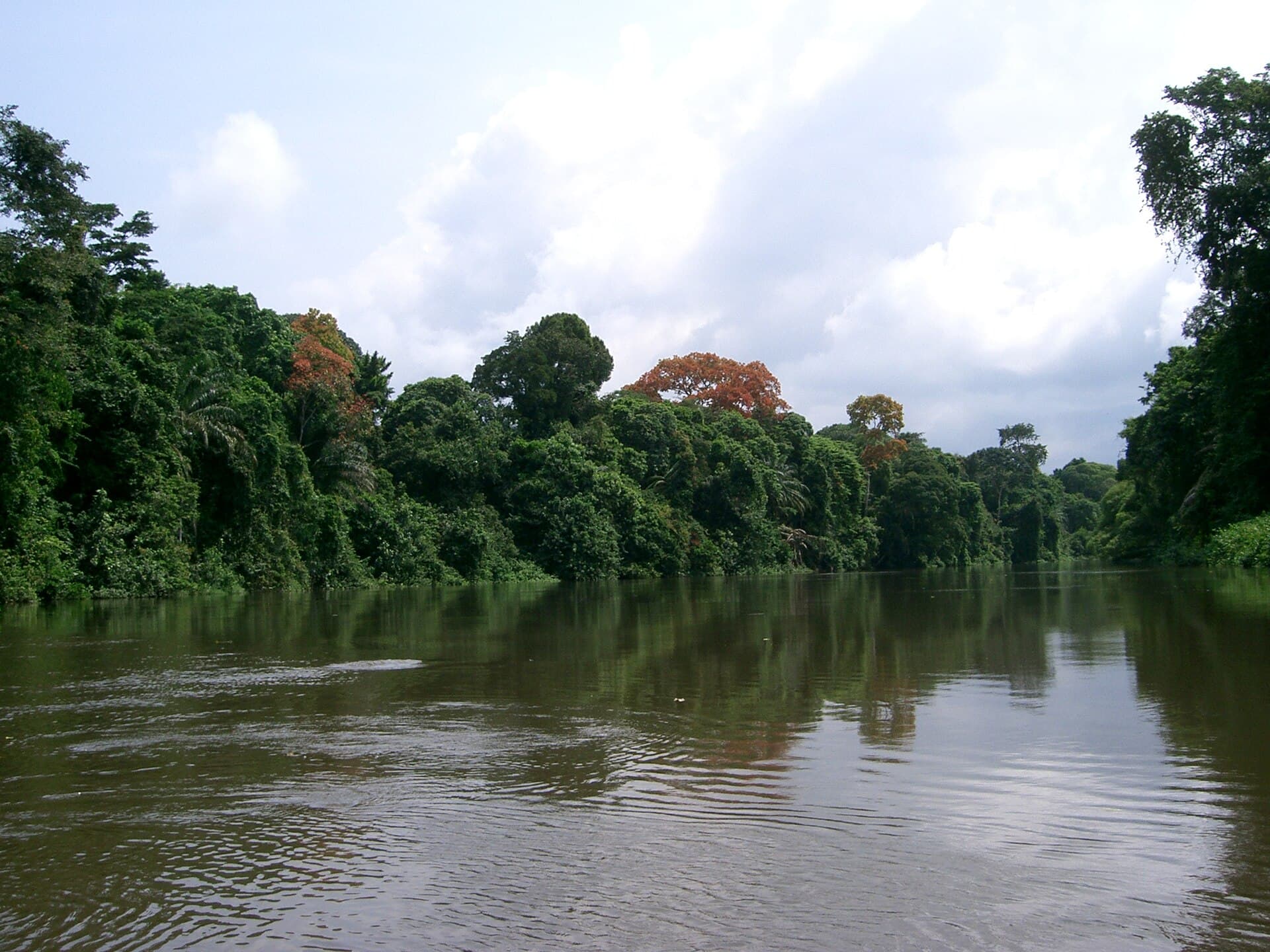
Why the Lélé River Stands Out
The Lélé River winds through the dense tropical forests of South Region, Cameroon, creating a corridor of biodiversity far from crowded tourist routes. Its dark waters reflect towering trees and support fish populations that sustain local communities. Visitors value the river for its unspoiled setting, where the sounds of birds and insects replace traffic noise.
Getting There
Reach the Lélé by first arriving in Yaoundé or Douala, then traveling southeast by road toward the towns of Sangmélima or Ebolowa. From there, local transport or hired vehicles continue along unpaved tracks to river access points near the coordinates 2.27°N, 13.25°E. The final stretch often requires a four-wheel-drive vehicle or boat transfer arranged with villagers.
Best Time to Visit
Plan trips during the drier months from November to March when water levels are stable and roads remain passable. The rainy season brings higher flows suitable for experienced paddlers but creates muddy trails and limited visibility for wildlife.
Things to See and Do
Guided canoe trips reveal riverbank vegetation and occasional sightings of monkeys or colorful kingfishers. Short hikes along the banks lead to clearings where local farmers cultivate cassava and plantains. Fishing with traditional methods offers insight into daily life, while evening campfires provide opportunities to hear stories from Bantu communities living along the water.
Nearby Attractions
- Explore trails in the surrounding forest reserves that connect to larger protected zones in the south.
- Visit small villages for markets selling woven baskets and smoked fish.
- Extend journeys toward the Cameroon-Gabon border area for broader rainforest scenery.
Practical Considerations
Pack lightweight, quick-dry clothing and insect repellent. Respect community customs by asking permission before photographing people or entering settlements. Carry sufficient cash, as banking facilities are absent in this rural zone.