Why the Kienké River Draws Visitors
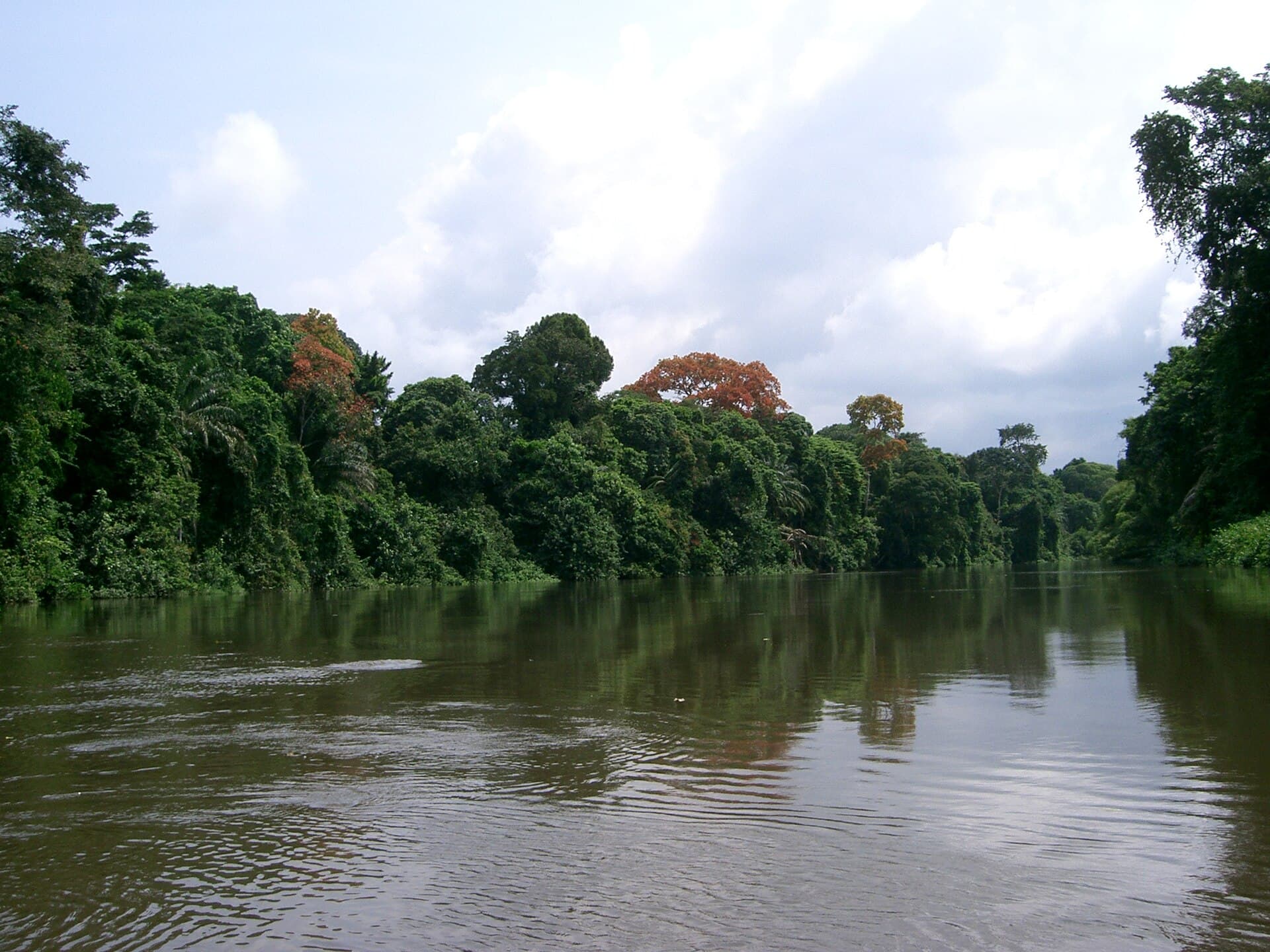
The Kienké flows southward through Cameroon’s South Region, its dark waters reflecting the dense canopy of the surrounding rainforest. Unlike larger, more commercialized rivers, the Kienké remains largely undeveloped, offering a genuine sense of wilderness within a few hours of Kribi’s beaches. Its banks host tall raffia palms, buttress-root trees, and clearings where forest elephants occasionally emerge at dusk.
Activities on and Around the River
Most travelers arrange half-day or full-day canoe trips that start at small villages upstream and drift toward the estuary. Paddlers commonly spot hornbills, African darters, and kingfishers; patient observers may also see monkeys moving through the mid-canopy. Fishing from the banks yields tilapia and catfish when local guides are hired. Short hikes along informal trails lead to quiet sandbars ideal for picnics. Because the current is gentle outside the rainy season, the river suits beginners as well as experienced kayakers.
Getting There
The most practical gateway is Kribi, reached by paved road from Douala in roughly three hours. From Kribi, local drivers take visitors along red-earth tracks that parallel the river for the final 25 kilometers. Public transport reaches the nearest village, after which motorcycle taxis complete the journey to launch points. Self-drivers should carry spare fuel and a basic recovery kit, as roadside assistance is limited.
Best Time to Visit
The drier months from December through February deliver lower water levels and fewer insects, making navigation and wildlife viewing easier. March to May brings heavier rains that can raise the river and wash out access tracks. Even in the wet season, short clear spells allow enjoyable visits if visitors accept muddy conditions.
Nearby Attractions Worth Combining
Many travelers pair a Kienké excursion with the Lobe Waterfalls, where the river tumbles directly into the sea, or with the protected beaches south of Kribi that host nesting sea turtles between November and February. The nearby Campo Ma’an National Park offers multi-day forest hikes for those seeking deeper immersion in the same ecosystem.