
Keep reading
Nearby & related
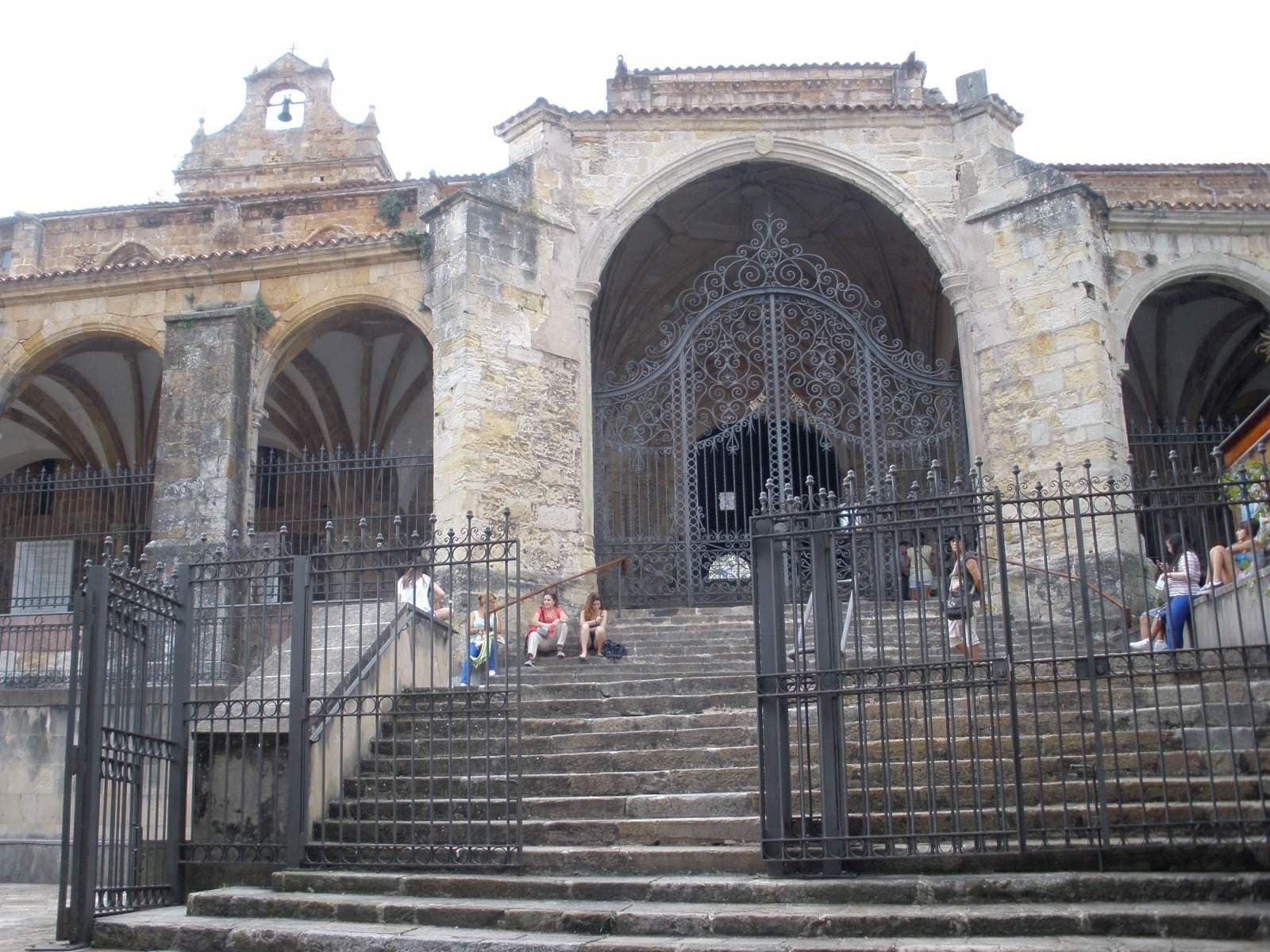
Church of Santa María de la Asunción: Laredo’s Enduring Gothic Landmark
Explore the layered Gothic architecture and seafaring history of this central Cantabrian church overlooking the Bay of…
11 November 2026
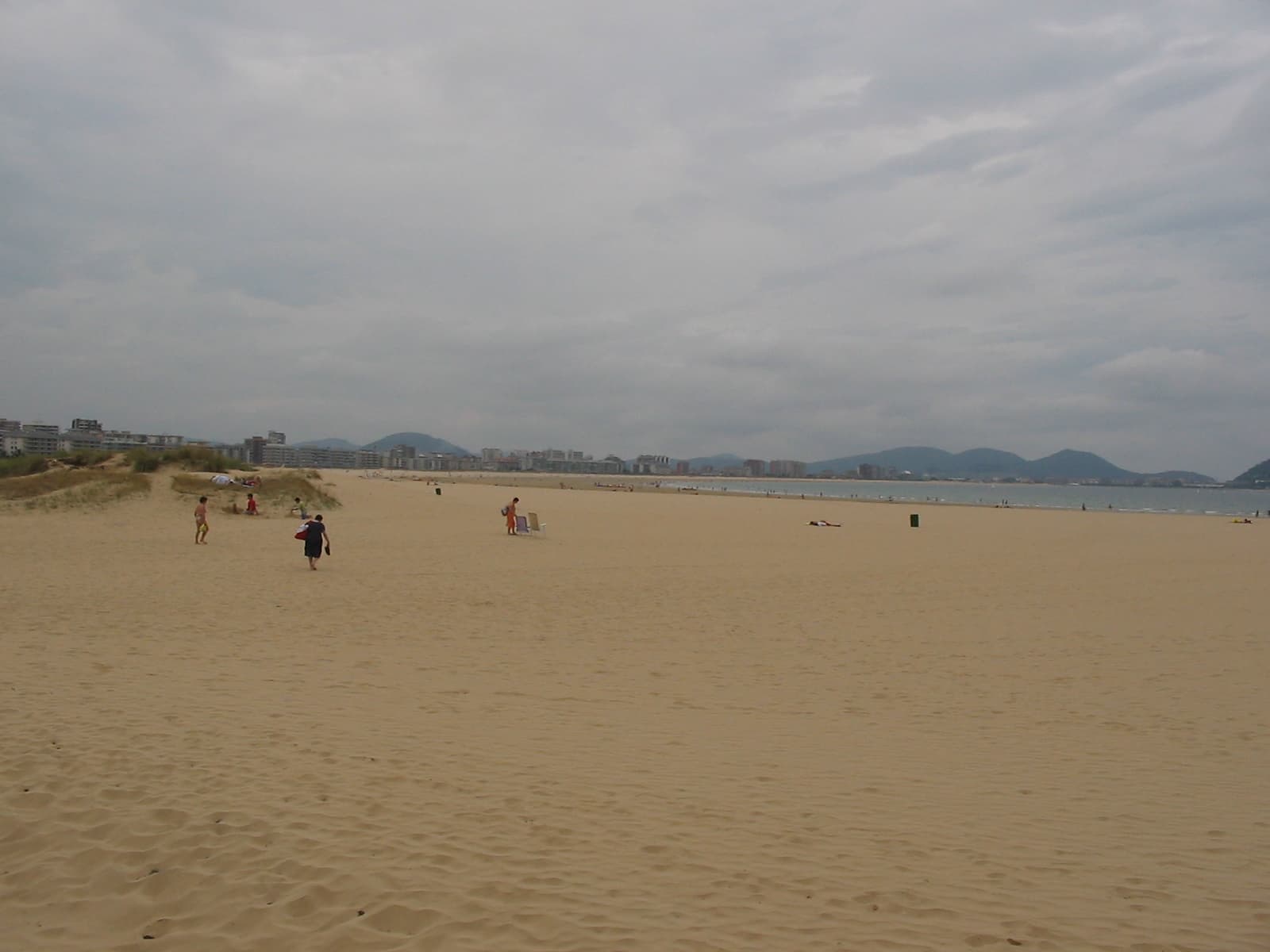
La Salvé offers kilometers of golden sand, reliable Atlantic surf, and easy access to Cantabria’s coastal towns.
La Salvé stretches nearly five kilometers along the Bay of Biscay, forming one of the longest continuous beaches in northern Spain. Its wide, firm sand and gentle slope into the water create space for walking, sunbathing, and water sports without feeling crowded even in peak season. The beach faces northwest, catching consistent swells while the protective curve of the coastline keeps waves manageable for most of the year.
Swimming is safest near the central lifeguarded sections where the seabed remains sandy. Surfers and bodyboarders head toward the eastern end near the river mouth for stronger waves. Kitesurfing and windsurfing thrive on windy days when the sea breeze funnels between the hills. At low tide the exposed flats become ideal for long walks or shell collecting.
A wide pedestrian promenade runs the full length of the beach, lined with cafés and ice-cream kiosks. Inland, Laredo’s old quarter features narrow streets and stone houses that climb the hillside. The weekly market on Wednesdays offers local cheeses, anchovies, and fresh produce.
Drivers reach La Salvé via the A-8 motorway, exiting at Laredo and following signs to the beach parking areas. Regional buses connect Laredo with Santander and Bilbao several times daily. Once in town, the entire beach is walkable from the bus station in under fifteen minutes. Cyclists can use the coastal path that links Laredo with nearby Santoña.
July and August bring the warmest water and liveliest atmosphere, yet spring and early autumn offer milder temperatures and fewer visitors. September often delivers the best combination of calm seas and golden light for photography. Winter visits reward hardy walkers with dramatic waves and empty sands, though swimming is rarely comfortable.
Just across the estuary lies Santoña, known for its bird-rich marshes and seafood restaurants. A short drive west leads to the cliffs and lighthouse at Cabo de Ajo. Inland, the medieval town of Limpias and the Ojo Guareña cave system provide easy day trips for those wanting to combine beach time with cultural exploration.
Yes. The central section offers a wide, gently shelving beach with lifeguard supervision in season and plenty of space for building sandcastles and playing.
Waves are consistent yet rarely extreme. Beginners find good conditions near the center; more experienced surfers prefer the eastern end where the river current adds power.
Public facilities line the promenade at regular intervals, including changing rooms, showers, and shaded picnic areas.
At low tide you can walk east toward the smaller coves near Punta de la Mesa; the full round trip takes about two hours on firm sand.
Dogs are allowed on the beach outside the main bathing season, typically from October through May, but must remain on leash near the promenade.
Keep reading
Explore the layered Gothic architecture and seafaring history of this central Cantabrian church overlooking the Bay of…