
Keep reading
Nearby & related
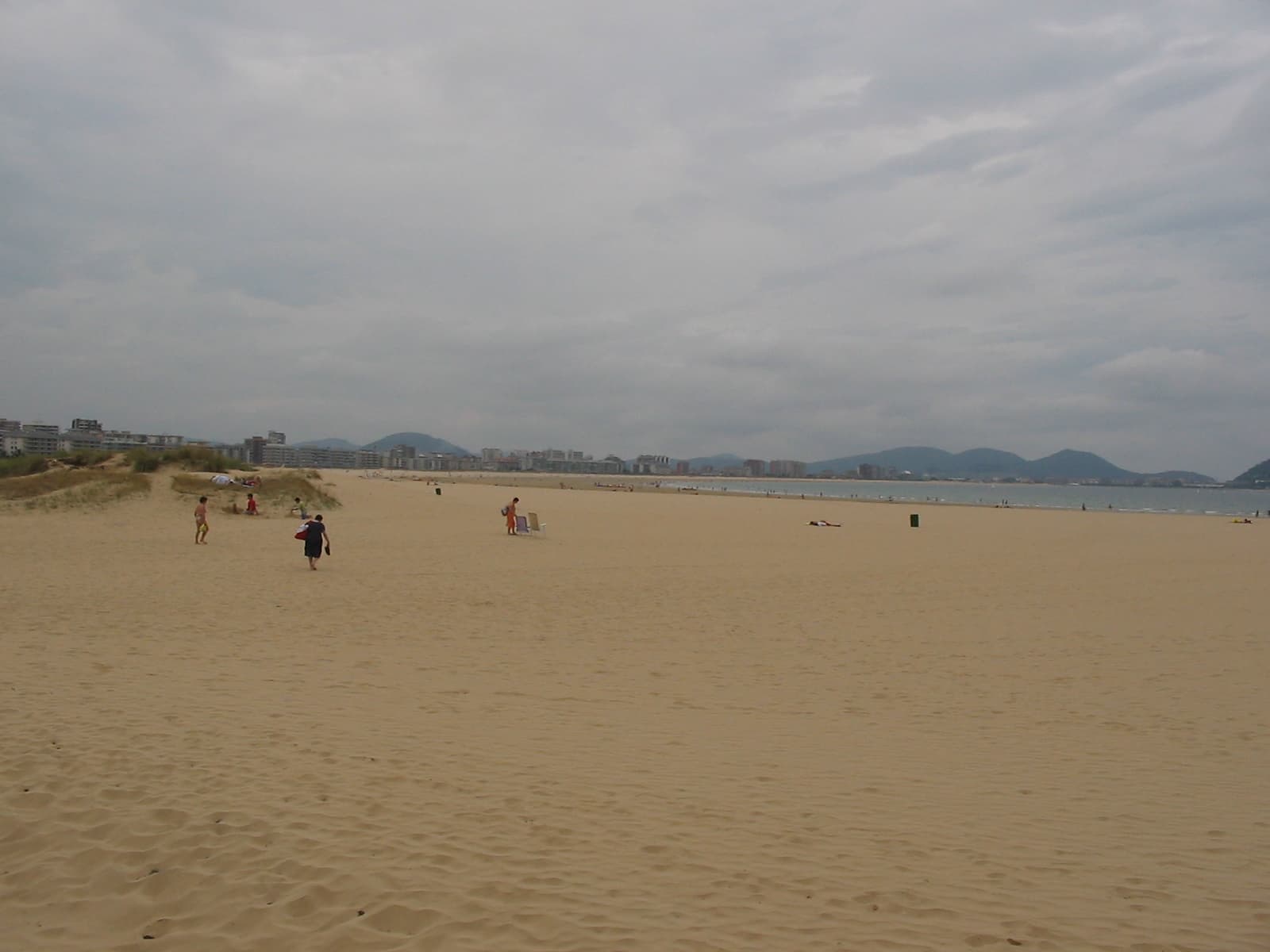
La Salvé: The Expansive Beach of Laredo in Cantabria
La Salvé offers kilometers of golden sand, reliable Atlantic surf, and easy access to Cantabria’s coastal towns.
10 November 2026
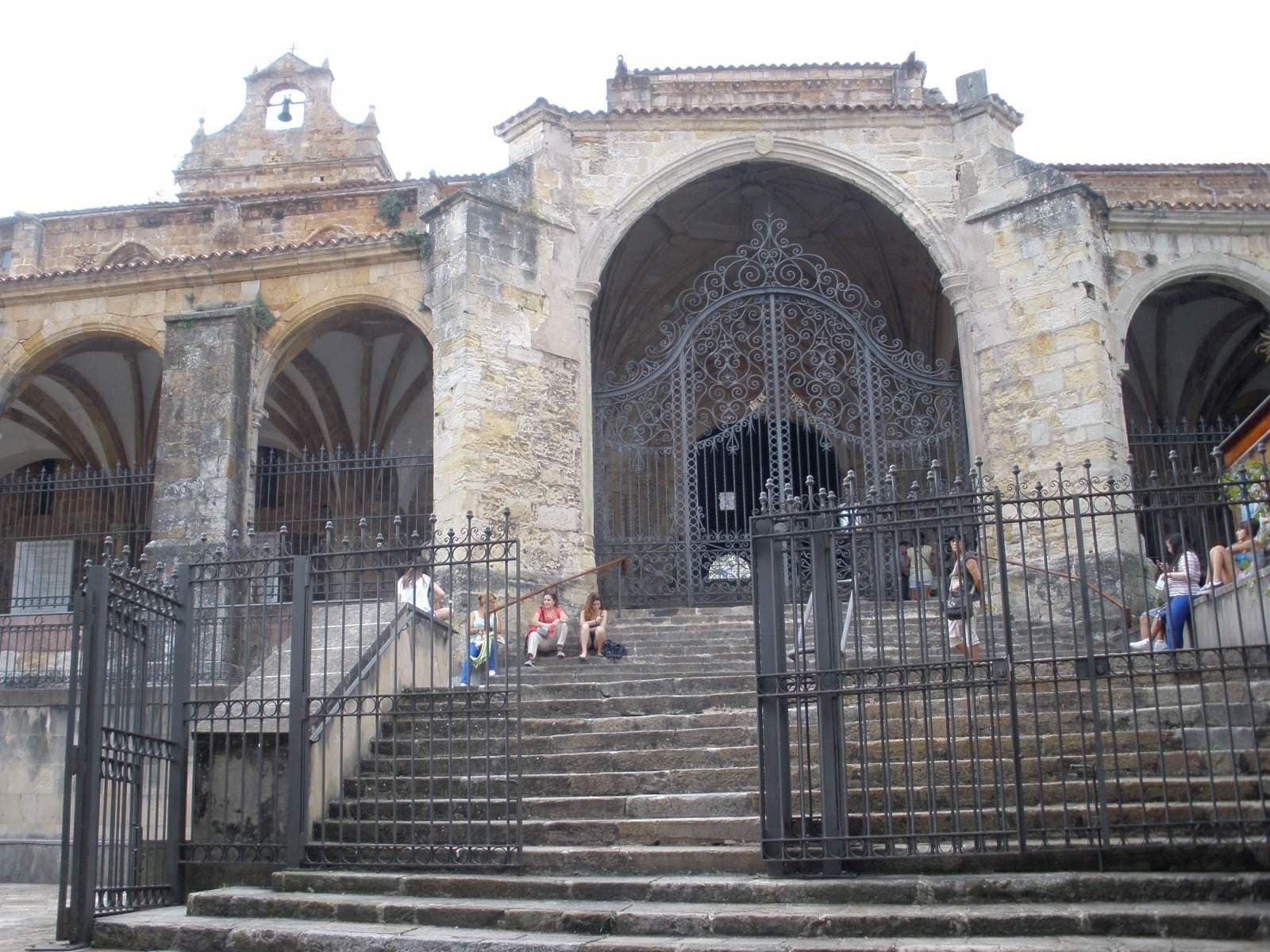
Explore the layered Gothic architecture and seafaring history of this central Cantabrian church overlooking the Bay of Biscay.
The Church of Santa María de la Asunción stands as the principal historic monument in Laredo’s old quarter, rising above narrow streets that once served medieval fishermen and merchants. Its stone fabric records centuries of construction, from the earliest Romanesque traces to a fully realized Gothic structure completed in the late Middle Ages. Visitors value the building both for its architectural coherence and for the way it anchors daily life in a town that balances a long sandy beach with a compact historic core.
The church presents a classic hall-church plan with three naves of equal height. Thick cylindrical pillars support pointed arches that carry ribbed vaults, while large windows once held stained glass that illuminated the interior with maritime light. The west tower, added later, functions as a visual beacon for returning boats and offers a vertical counterpoint to the horizontal spread of the nave. Inside, side chapels house Renaissance altarpieces and Baroque carvings that reflect the wealth brought by cod-fishing fleets. The main altarpiece, carved in walnut, depicts scenes from the life of the Virgin and remains one of the finest examples of its period in Cantabria.
Walk around the perimeter to appreciate the sculpted portals. The south door features archivolts with vegetal and animal motifs typical of 14th-century workshops. A small cemetery once adjoined the north side, now replaced by a quiet plaza that gives photographers a clear view of the tower against the sky.
Laredo lies on the N-634 coastal road between Santander and Bilbao. Drivers can park in lots near the port and walk five minutes uphill into the old town. Regional buses stop at the market square, a short stroll from the church steps. Once inside the historic quarter, everything is compact and best explored on foot; the surrounding lanes reward slow wandering between stone houses and small plazas.
Spring and early autumn deliver mild temperatures and thinner crowds, allowing quiet appreciation of the stonework. Summer brings the advantage of combining a church visit with time on Laredo’s expansive beach, yet the interior remains noticeably cooler than the street. Winter visits are possible, though some side chapels may be closed; the main nave stays open and the low light creates dramatic shadows across the vaults.
After touring the church, descend to the harbor for fresh seafood or continue along the promenade that skirts the entire beach. The fortified walls of the old town and the 17th-century Casa de la Marquesa lie within a few blocks. A short drive east reaches the fishing port of Santoña, known for its anchovy factories and wetlands that attract migratory birds.
Most visitors spend 30 to 45 minutes viewing the main nave, side chapels, and tower base before moving on to the surrounding streets.
The main floor is level, but the surrounding streets are steep and cobbled; the tower is not accessible by elevator.
Yes. The beach begins a five-minute walk downhill from the church, making it easy to alternate between cultural and coastal activities.
Local tourism offices sometimes arrange seasonal walking tours that include the church; independent exploration with a printed guide is reliable year-round.
The old town walls, the harbor, and several Renaissance merchant houses lie within a few blocks, creating a compact historic circuit.
Keep reading
La Salvé offers kilometers of golden sand, reliable Atlantic surf, and easy access to Cantabria’s coastal towns.