
Keep reading
Nearby & related
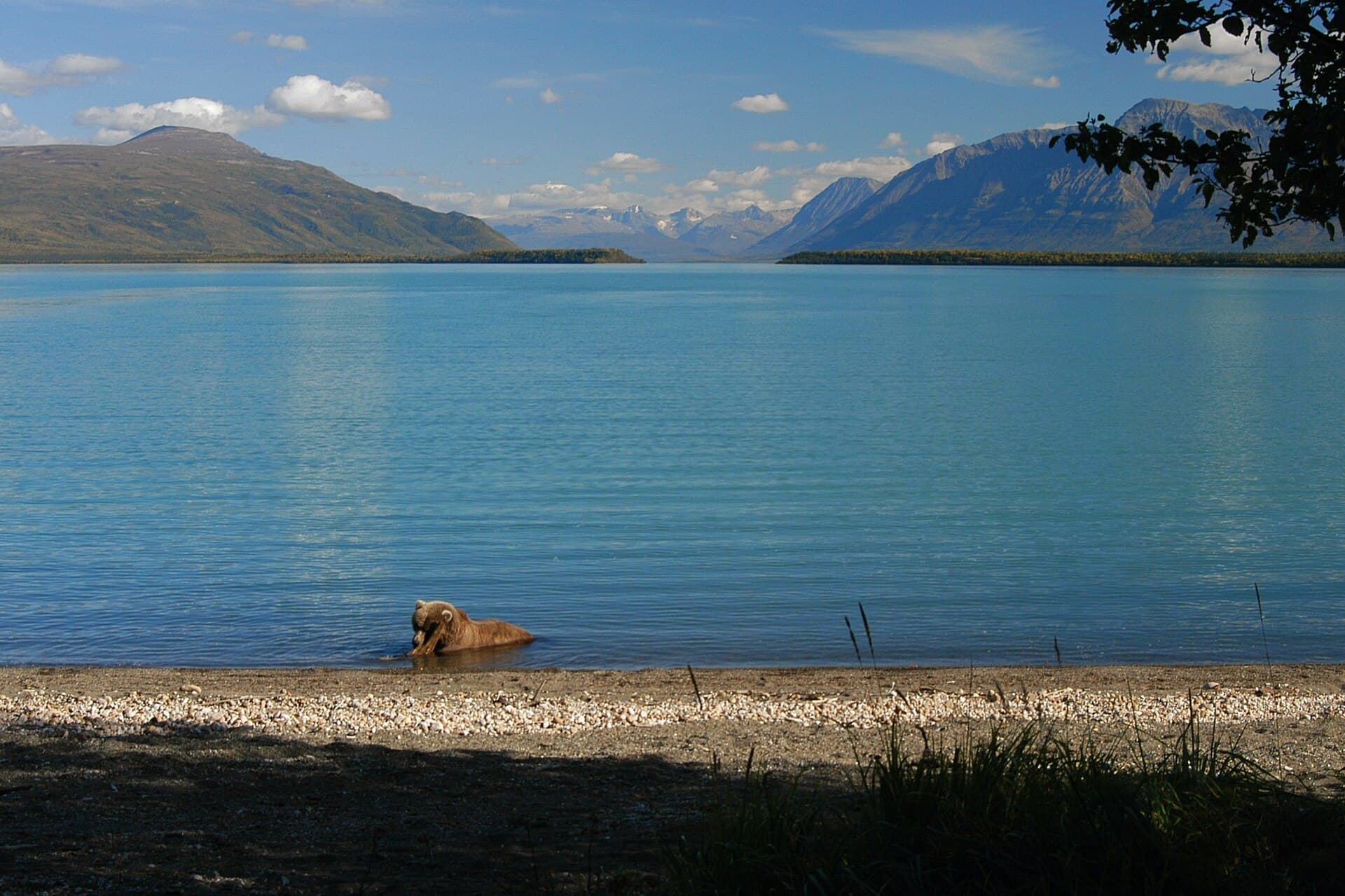
Naknek Lake: Alaska Wilderness Fishing and Wildlife in Bristol Bay
Discover remote salmon runs, brown bears, and volcanic landscapes at Naknek Lake within reach of Katmai National Park.
16 August 2026
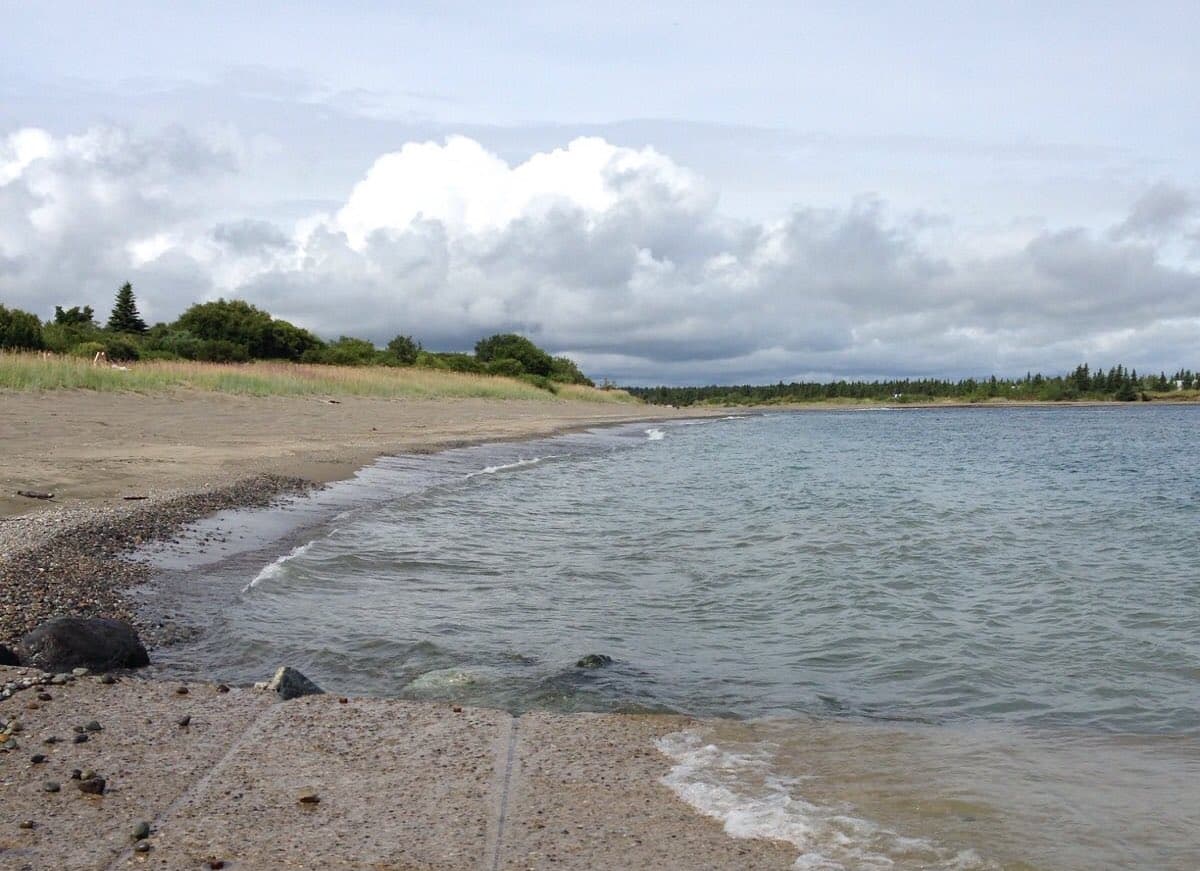
Experience the legendary sockeye salmon runs and untouched Bristol Bay landscape along Alaska's Kvichak River.
The Kvichak River drains Iliamna Lake into Bristol Bay, creating one of the world’s most productive sockeye salmon systems. Clear water, strong runs, and surrounding tundra and mountains make it a standout destination for serious anglers and those seeking remote wilderness.
Sockeye salmon arrive in massive numbers from late June through July, followed by silver salmon in August and September. Rainbow trout, Arctic grayling, and northern pike offer additional sport. Brown bears frequently patrol the banks, while bald eagles and moose are common sights. Float trips reveal changing scenery from lake outlet to tidal flats.
Most visitors fly into King Salmon or Iliamna, then transfer by float plane or boat to river camps or put-in points. Float-plane access allows drop-offs at the lake outlet for multi-day floats. Road access is nonexistent, preserving the area’s remote character.
Peak sockeye fishing occurs in July. Early June offers fewer crowds and good trout fishing, while September brings silver salmon and vibrant fall colors. Weather can shift quickly; plan layers and rain gear for any month.
Combine a Kvichak trip with time on Iliamna Lake for lake trout or a visit to nearby Katmai National Park for additional bear viewing. The broader Bristol Bay region offers similar river systems worth exploring on longer itineraries.
Sockeye salmon dominate the summer runs, with strong numbers of silver salmon later in the season. Rainbow trout, Arctic grayling, and pike are also present year-round.
A guide is strongly recommended for first-time visitors due to the remote setting, strong currents, and specific regulations. Many lodges provide guided drift-boat or raft trips.
Commercial flights reach King Salmon or Iliamna, followed by float-plane or boat transfer to the river. No roads lead directly to the main fishing sections.
Bring rain gear, insulating layers, waders, polarized sunglasses, and a sturdy tent or plan to stay at a remote lodge. Insect repellent and bear-safe food storage are essential.
Regulations emphasize sustainable harvest of salmon while protecting trout. Check current Alaska Department of Fish and Game rules before travel, as rules can vary by section of the river.
Keep reading
Discover remote salmon runs, brown bears, and volcanic landscapes at Naknek Lake within reach of Katmai National Park.