Why Krol Ko Rewards a Visit
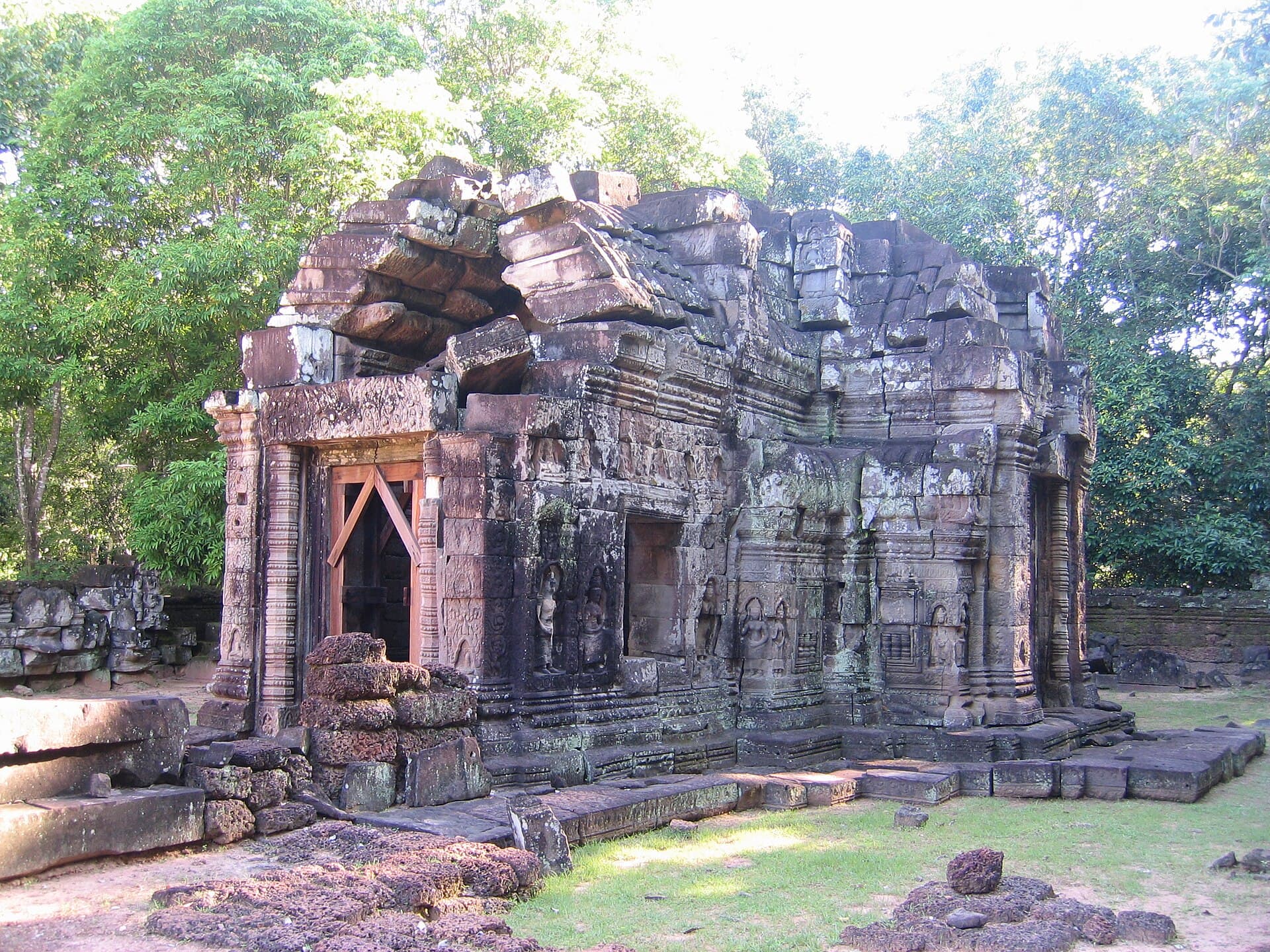
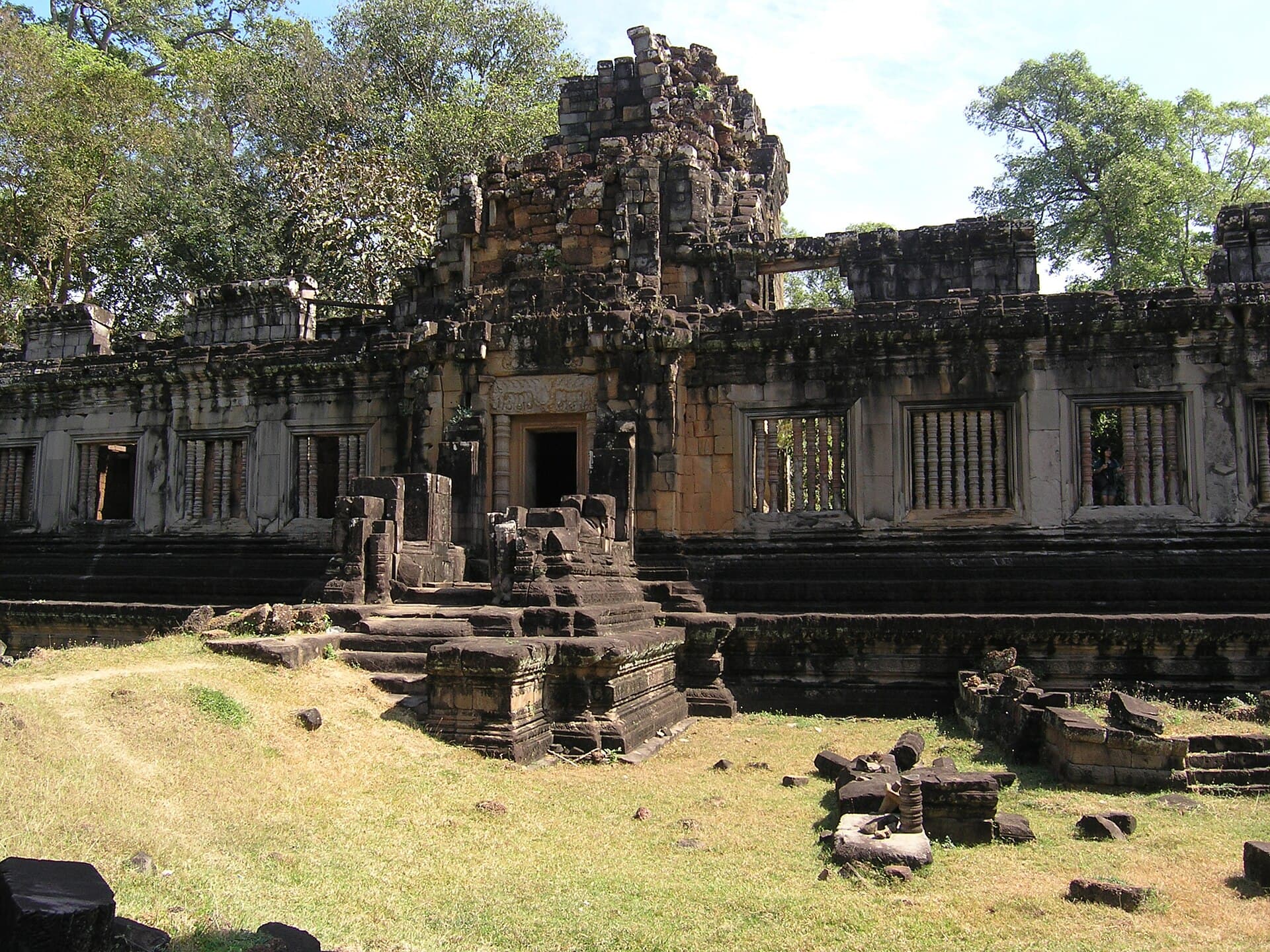
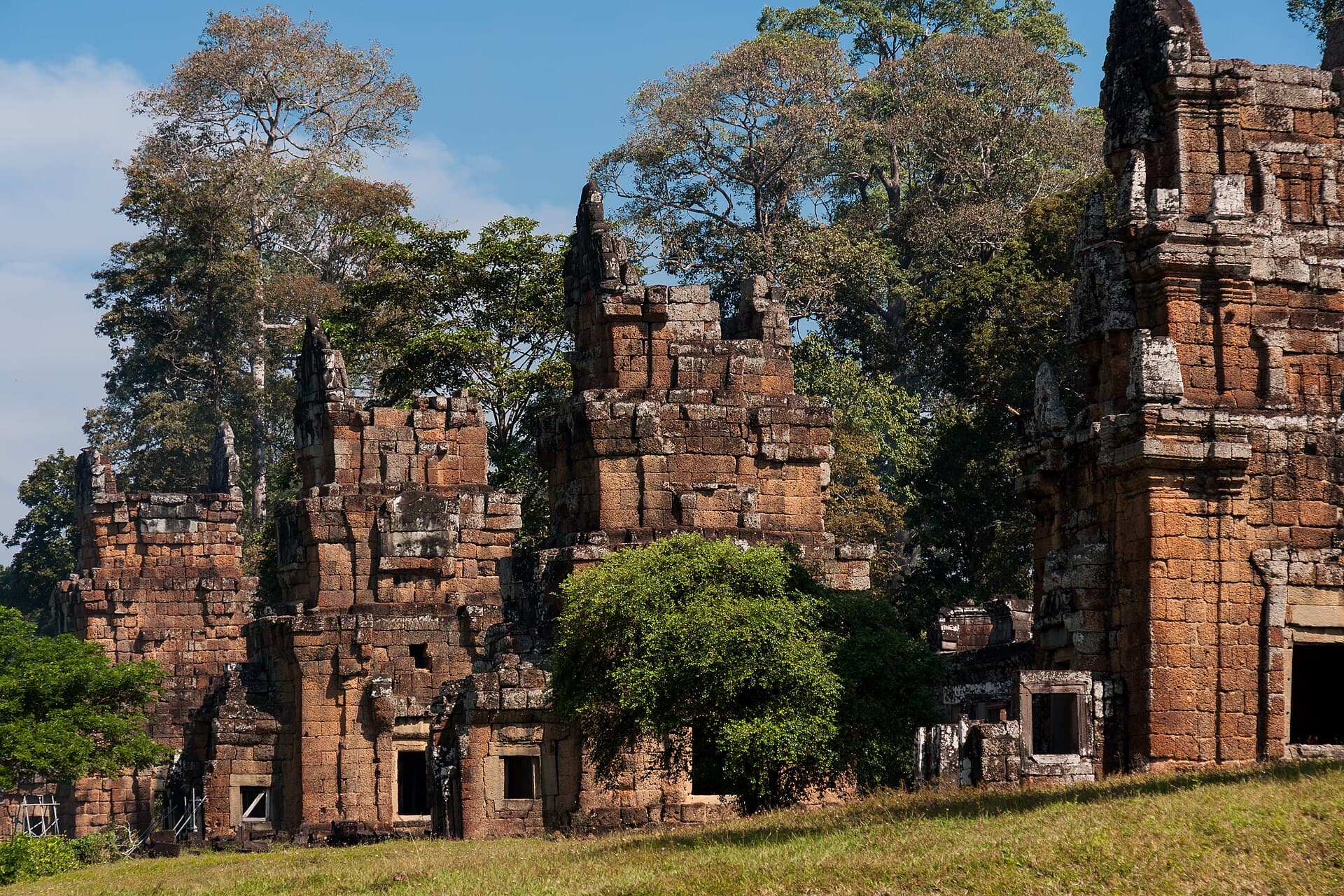
Built by Jayavarman VII in the late 12th century, Krol Ko is a compact Buddhist temple that blends Bayon-style faces and intricate bas-reliefs with the tranquility of its isolated setting. Unlike the main Angkor Wat circuit, this site sits on the northern bank of the vast East Baray reservoir, surrounded by forest and seasonal lotus ponds. The single visit feels intimate: a moat, two libraries, a central sanctuary, and scattered guardian figures remain largely unrestored, letting the original stonework speak for itself.
Architectural Highlights
The central tower still carries faint traces of multi-armed Avalokiteshvara images, while the outer gallery walls feature lively scenes of apsaras, warriors, and mythical beasts. Look closely at the doorways for the distinctive smiling faces that mark Jayavarman VII’s reign. Because the temple was never heavily reconstructed, many lintels and pediments lie where they fell, offering an authentic glimpse of post-Angkor decay and nature’s slow reclamation.
Planning Your Visit
Getting There
Krol Ko lies inside the Angkor Archaeological Park, roughly 1.5 km north of Ta Som and 6 km east of Preah Khan. Most visitors arrive by tuk-tuk or electric bicycle along the small-circuit road that circles the East Baray. A one-day Angkor pass covers entry; no separate ticket is required. Allow 45 minutes from central Siem Reap by motorized transport or 90 minutes by bike.
Best Time to Go
The dry season from November to April brings clear skies and lower humidity, ideal for photography. Arrive at opening (shortly after sunrise) to enjoy cooler temperatures and the soft light that highlights the carved faces. Avoid midday during the hot season (March–May) when the open stone surfaces radiate heat.
Nearby Attractions
Combine Krol Ko with a morning at Ta Som, whose tree-strangled gopura offers dramatic contrast, then continue to the massive East Baray dike for views across the ancient reservoir. Preah Khan and the Terrace of the Elephants lie a short ride west, completing a full small-circuit loop.