Keep reading
Nearby & related
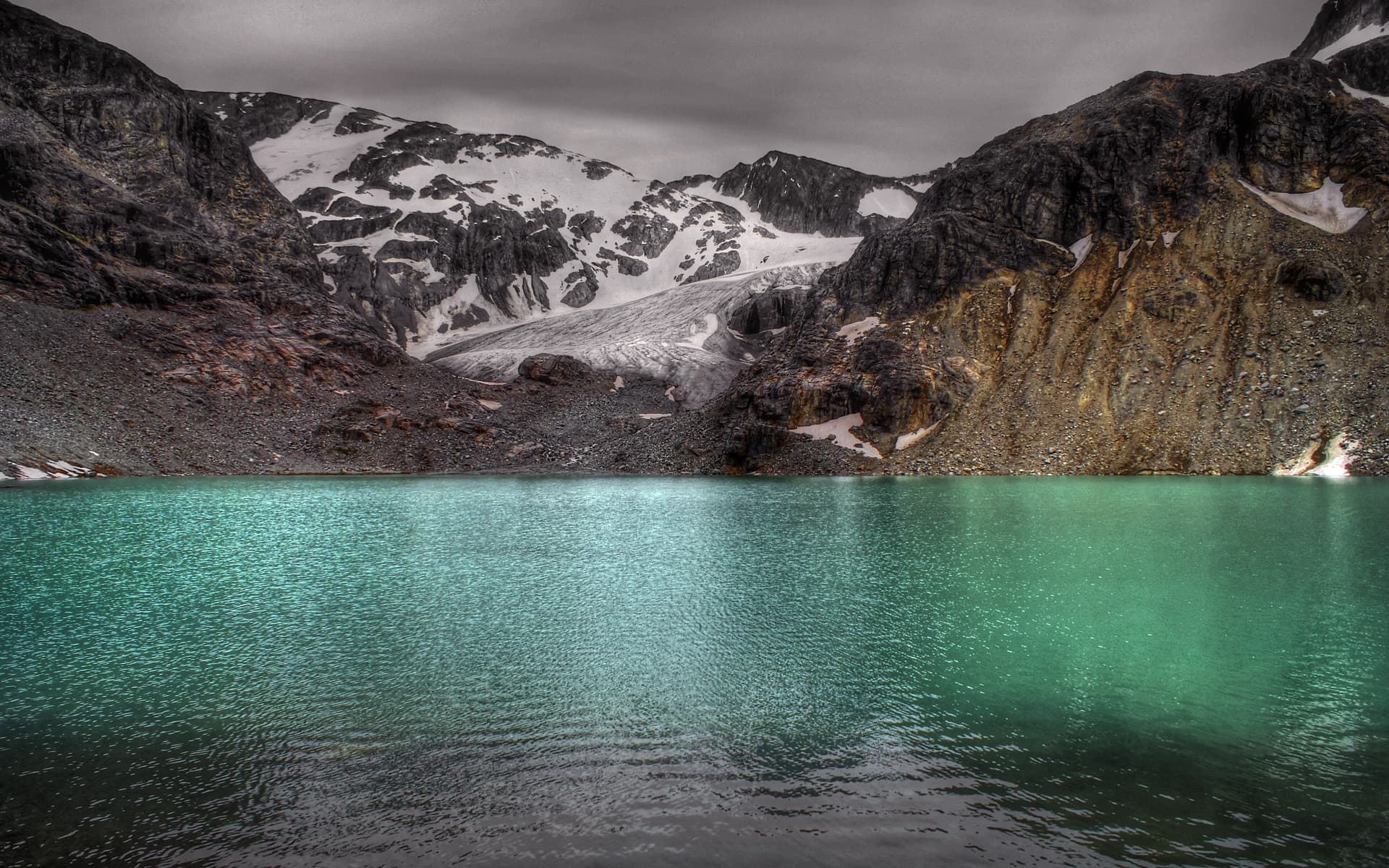
Wedgemount Lake: Hiking to a Turquoise Alpine Gem Near Whistler
A rewarding backcountry trek leads to glacial waters and sweeping mountain views in British Columbia’s Coast Range.
8 August 2026
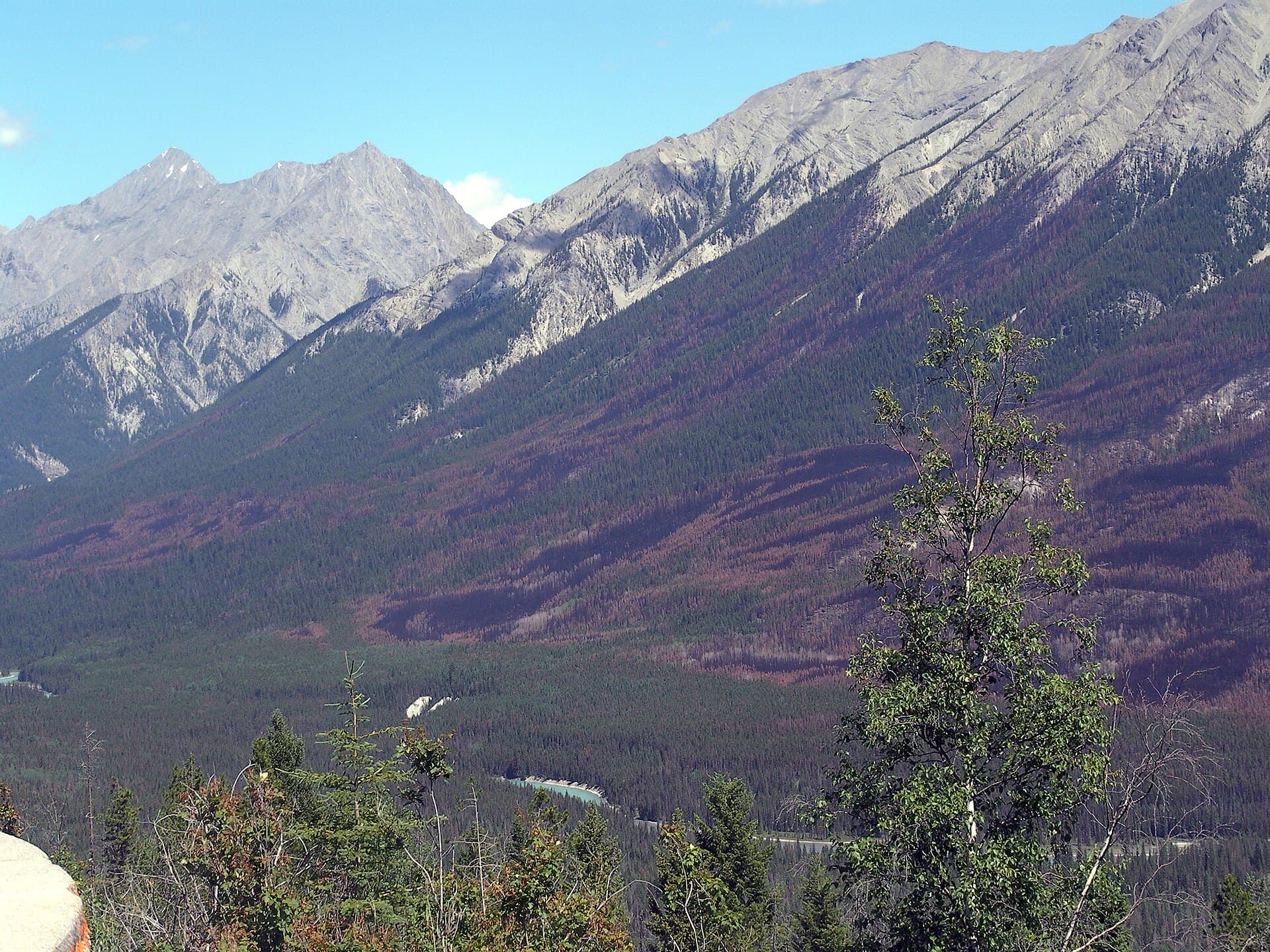
Follow the clear waters of the Kootenay River through dramatic canyons, lush forests, and quiet valleys in southeastern British Columbia.
The Kootenay River carves a 780-kilometre path from the high peaks of the Kootenay Ranges through Kootenay National Park and into the Rocky Mountain Trench. Its turquoise water, fed by glacial melt and clear tributaries, supports healthy populations of bull trout and rainbow trout while offering paddlers a mix of gentle floats and whitewater sections. The surrounding landscape shifts from alpine meadows to dense cedar-hemlock forests and open grasslands, creating habitat for elk, black bears, and bald eagles.
Commercial and private trips run through the deep canyons near Radium Hot Springs and the more relaxed reaches downstream of Fort Steele. Kayakers and canoeists find calm stretches suitable for day trips, while rafters enjoy Class II to III rapids in early summer. Always scout put-ins and take-outs in advance, as access points are spaced several kilometres apart.
Anglers target the river’s healthy trout populations from spring through fall. Drift fishing from boats works well in deeper pools, while wading is productive along gravel bars near the park boundary. Provincial regulations require a valid fishing licence and adherence to catch-and-release zones in certain sections to protect bull trout.
Early morning or evening drives along Highway 93/95 often reveal elk herds. Combine a river trip with a soak at Radium Hot Springs, whose outdoor pools sit within walking distance of the river valley. Short hikes such as the trail to Marble Canyon provide dramatic views of the river cutting through limestone cliffs.
The river is most easily accessed from Highway 93/95 between Cranbrook and Radium Hot Springs. Airports in Cranbrook and Castlegar offer regional flights; visitors then drive or arrange shuttles to river put-ins. Several provincial parks and recreation sites provide boat launches and parking.
Peak paddling and fishing conditions run from late May through September, when water levels are stable and daytime temperatures are comfortable. Shoulder months of April and October bring fewer people and excellent wildlife viewing, though river flows can be higher or colder. Winter visits are limited to scenic drives and wildlife observation, as most water-based activities cease.
Kootenay National Park lies directly along the upper river, while the historic town of Fort Steele and the Columbia River wetlands offer easy day trips. The Purcell Mountains to the west provide additional hiking and skiing options for multi-day itineraries.
Keep reading
A rewarding backcountry trek leads to glacial waters and sweeping mountain views in British Columbia’s Coast Range.
Gentler sections downstream of Fort Steele and near the Columbia confluence are appropriate for novice paddlers with proper equipment and safety briefings.
No special river permit is required outside national park boundaries, but national park fishing permits apply within Kootenay National Park.
Several provincial recreation sites and Kootenay National Park campgrounds sit within a short walk or drive of the water, though advance reservations are recommended in summer.
Elk, black bears, osprey, and occasionally moose are commonly sighted, especially at dawn and dusk near open meadows and gravel bars.
Yes. Radium Hot Springs is located minutes from several river access points, allowing visitors to paddle in the morning and soak in the afternoon.
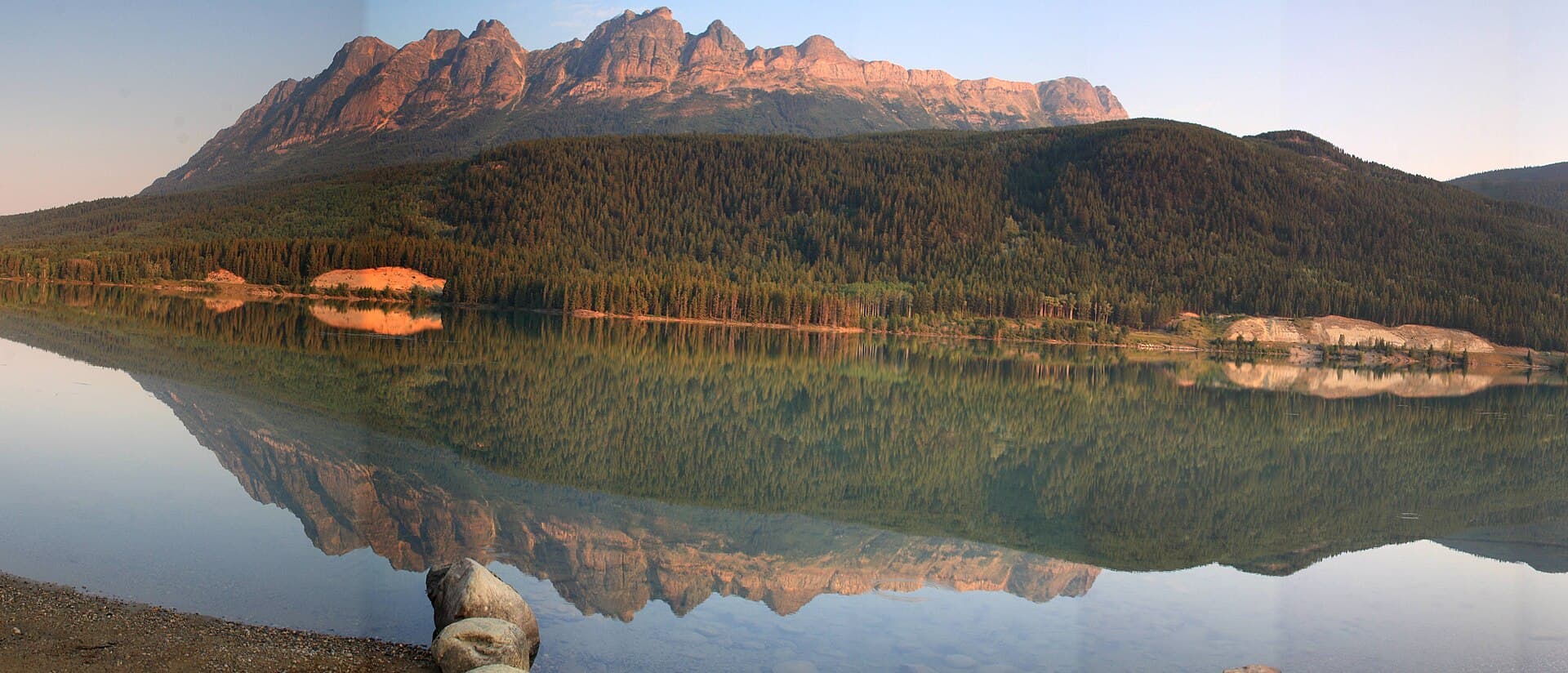
This serene lake in British Columbia’s Rockies delivers quiet paddling, trout fishing, and easy access to dramatic peaks…
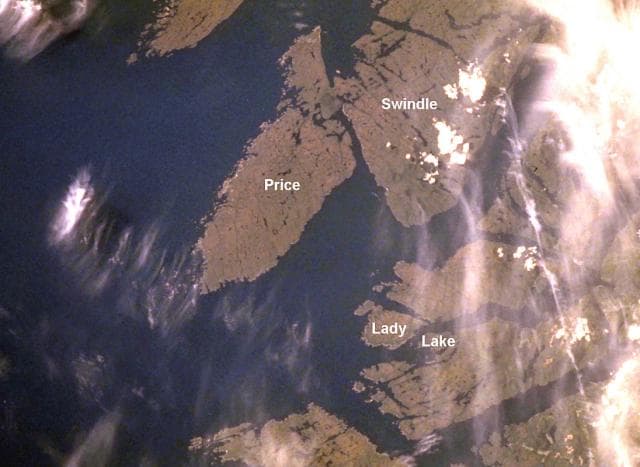
Discover pristine rainforest, marine wildlife, and quiet anchorages on this secluded island in the Inside Passage.