
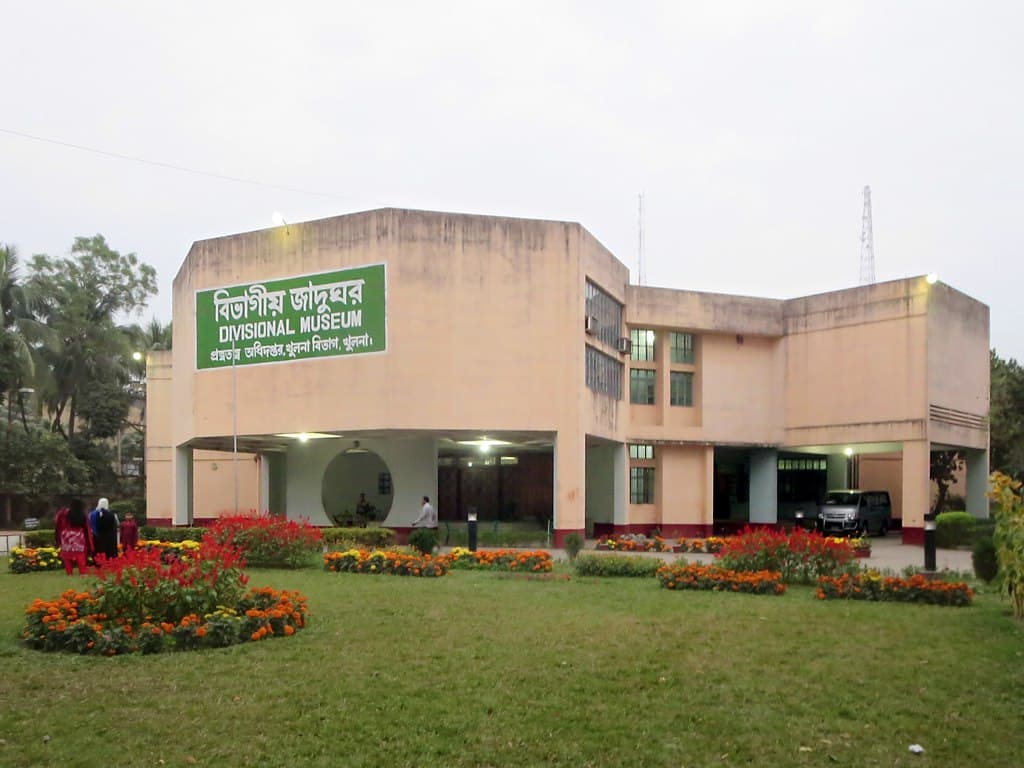
Khulna Divisional Museum: Exploring Southern Bangladesh’s Regional Heritage
The Khulna Divisional Museum offers an insightful look into the history, archaeology, and folk culture of Bangladesh’s southwestern division.
Why Visit the Khulna Divisional Museum
Located in the heart of Khulna city, this divisional museum preserves and displays artifacts that tell the story of the region’s ancient settlements, riverine life, and connection to the Sundarbans mangrove forest. Visitors gain a deeper understanding of local archaeology, traditional crafts, and the cultural transitions that shaped southern Bangladesh, making it an essential stop for anyone interested in the country’s regional diversity beyond the capital.
What to See and Do
The museum’s galleries feature stone sculptures, terracotta plaques, and metalwork recovered from nearby archaeological sites, alongside exhibits on rural life that include traditional fishing tools, woven textiles, and household pottery. Displays also highlight the biodiversity of the Sundarbans through preserved specimens and historical records of forest management. Travelers can spend time examining the evolution of local boat-building techniques and the influence of the Ganges delta on trade routes that once linked the area to distant ports.
Practical Layout for Visitors
Exhibits are arranged chronologically and thematically across multiple rooms, allowing a logical progression from prehistoric finds to contemporary folk art. Information panels provide context in both Bengali and English, helping international visitors follow the narrative without a guide.
Getting There
The museum sits within Khulna’s urban core and is reachable by rickshaw or local bus from the main train station or river port. Most travelers combine a visit with exploration of the city’s historic mosques and markets, as the location is convenient for walking or short rides to nearby points of interest.
Best Time to Visit
The cooler, drier months from November through February offer the most comfortable conditions for walking between the museum and surrounding attractions. Monsoon season brings heavy rain that can make outdoor travel less pleasant, though the indoor galleries remain accessible year-round.
Nearby Attractions
After touring the museum, visitors often continue to the Sundarbans mangrove forest for boat safaris, the historic Shat Gombuj Mosque in nearby Bagerhat, or the bustling Rupsha River ghats where local life unfolds daily. These sites together provide a well-rounded introduction to the natural and built heritage of the Khulna division.
Visitor tips
- Allow at least two hours to move through the galleries at a thoughtful pace without rushing between sections.
- Pair the museum visit with a trip to Bagerhat to see the nearby UNESCO-listed mosques on the same day.
- Carry a reusable water bottle, as the museum encourages responsible tourism and local vendors are nearby for refills.
Frequently asked questions
How long does a typical visit to the Khulna Divisional Museum take?
Most visitors spend one to two hours exploring the main galleries, depending on their interest in archaeology and folk culture.
Is the museum suitable for families with children?
Yes, the displays on local crafts, boats, and Sundarbans wildlife engage younger visitors, though some exhibits are behind glass and require gentle supervision.
Can I take photographs inside the museum?
Photography is generally permitted in the public galleries for personal use, but flash should be avoided near delicate artifacts.
Is the museum accessible for visitors with mobility needs?
The ground floor is largely step-free, while upper levels may require stairs; visitors with limited mobility should inquire on-site about current arrangements.
What makes this museum different from national museums in Dhaka?
It focuses specifically on the history and material culture of the Khulna division, including unique Sundarbans-related artifacts and regional archaeological finds not emphasized elsewhere.