Why Isla Tintipán Stands Out
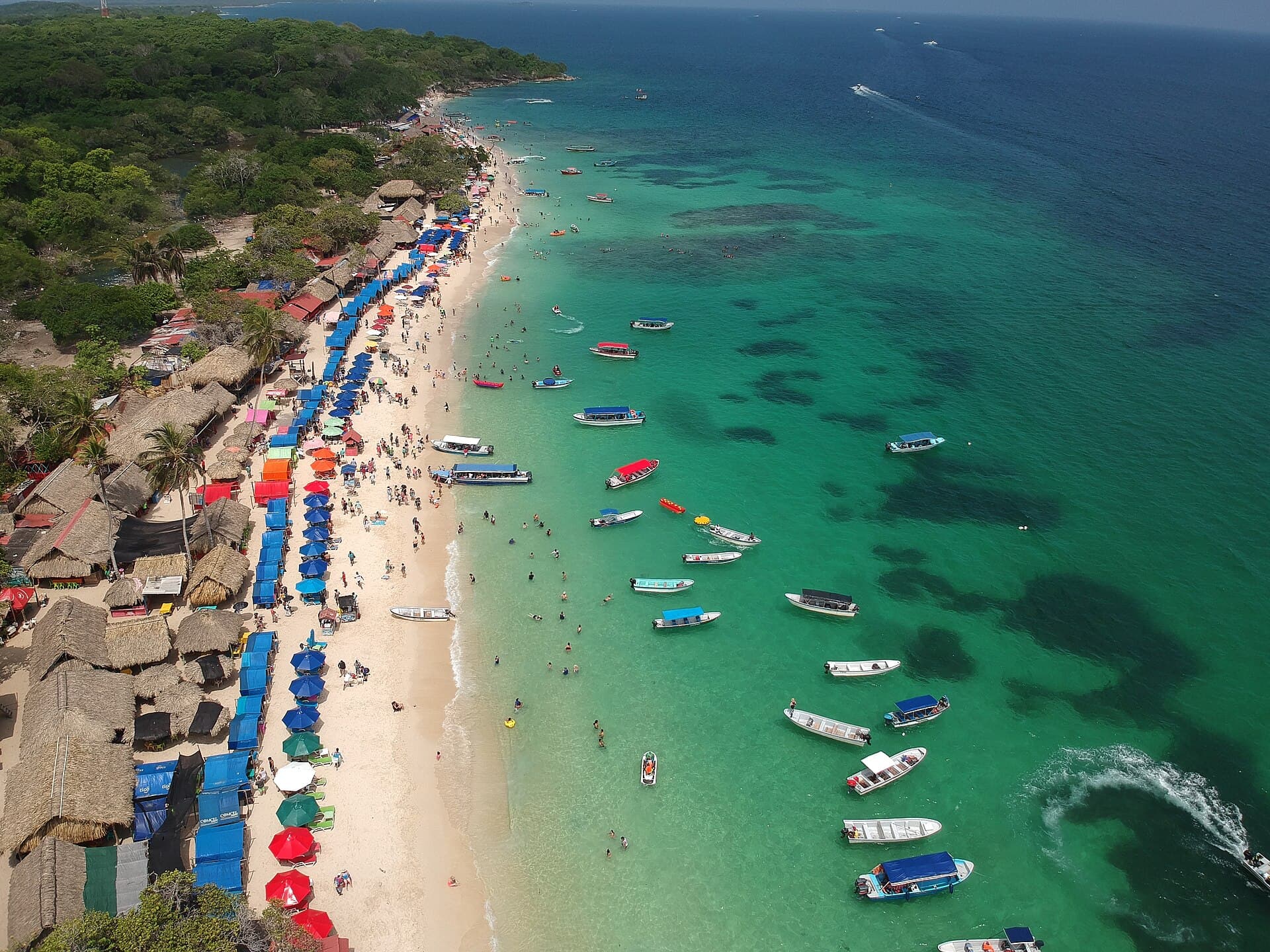
Isla Tintipán lies in the San Bernardo Archipelago, roughly 50 kilometers southwest of Cartagena. Its low-lying terrain, fringed by white-sand beaches and shallow reefs, remains far less developed than neighboring Rosario Islands. Clear turquoise water, healthy coral gardens, and frequent sightings of parrotfish and rays make the island a quiet favorite for travelers seeking nature over nightlife.
Getting There
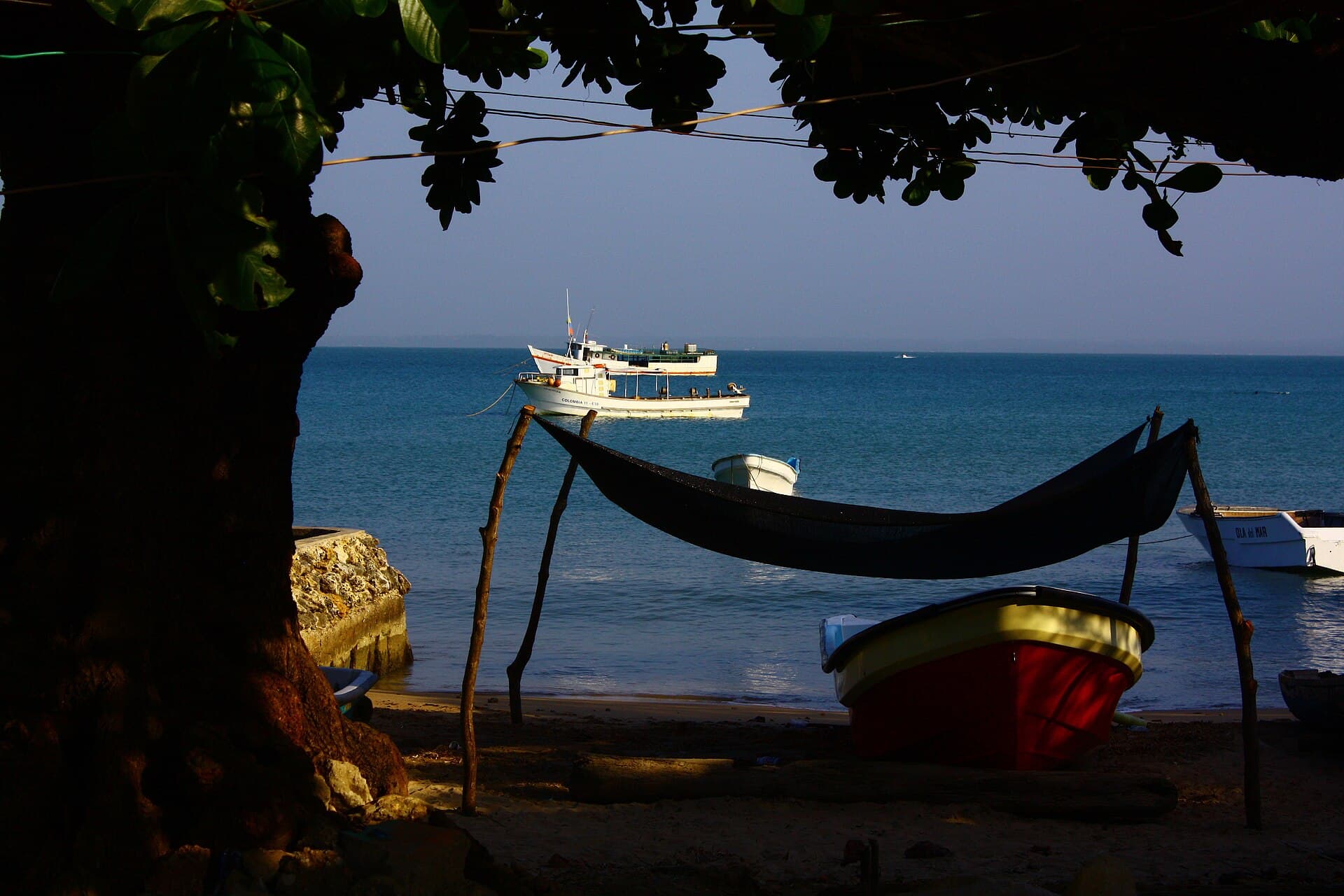
Most visitors depart from Cartagena’s La Bodeguita or Manga docks aboard shared or private launches that stop first at Isla Barú before continuing to the San Bernardo group. The final leg to Tintipán takes about 90 minutes on calm seas. Arrange transfers through reputable operators in Cartagena; independent boaters should verify sea conditions and fuel availability before departure.
What to See and Do
The island’s main draw is its encircling reef. Snorkelers drift along the eastern shore where elkhorn and brain coral thrive in waist-deep water. Stronger swimmers and divers explore the deeper drop-offs on the western side, where sea turtles and occasional nurse sharks appear. On land, a short trail leads to the historic lighthouse offering panoramic views of the archipelago. The beach on the northern tip remains the quietest spot for swimming and picnics.
Best Time to Visit
December through April brings the driest weather and calmest seas, ideal for boat travel and underwater visibility. May and November see fewer crowds but higher rain probability. June to October is hurricane season; while direct hits are rare, swells can cancel crossings.
Nearby Attractions
Within the same archipelago, Isla Múcura and Isla Palma offer additional snorkeling sites and small fishing villages. Isla Fuerte, farther south, provides a larger island experience with its own lighthouse and manatee-watching opportunities. Day trips combining Tintipán with one or two neighboring islands are common and allow travelers to sample the full marine park without overnight stays.
Practical Considerations
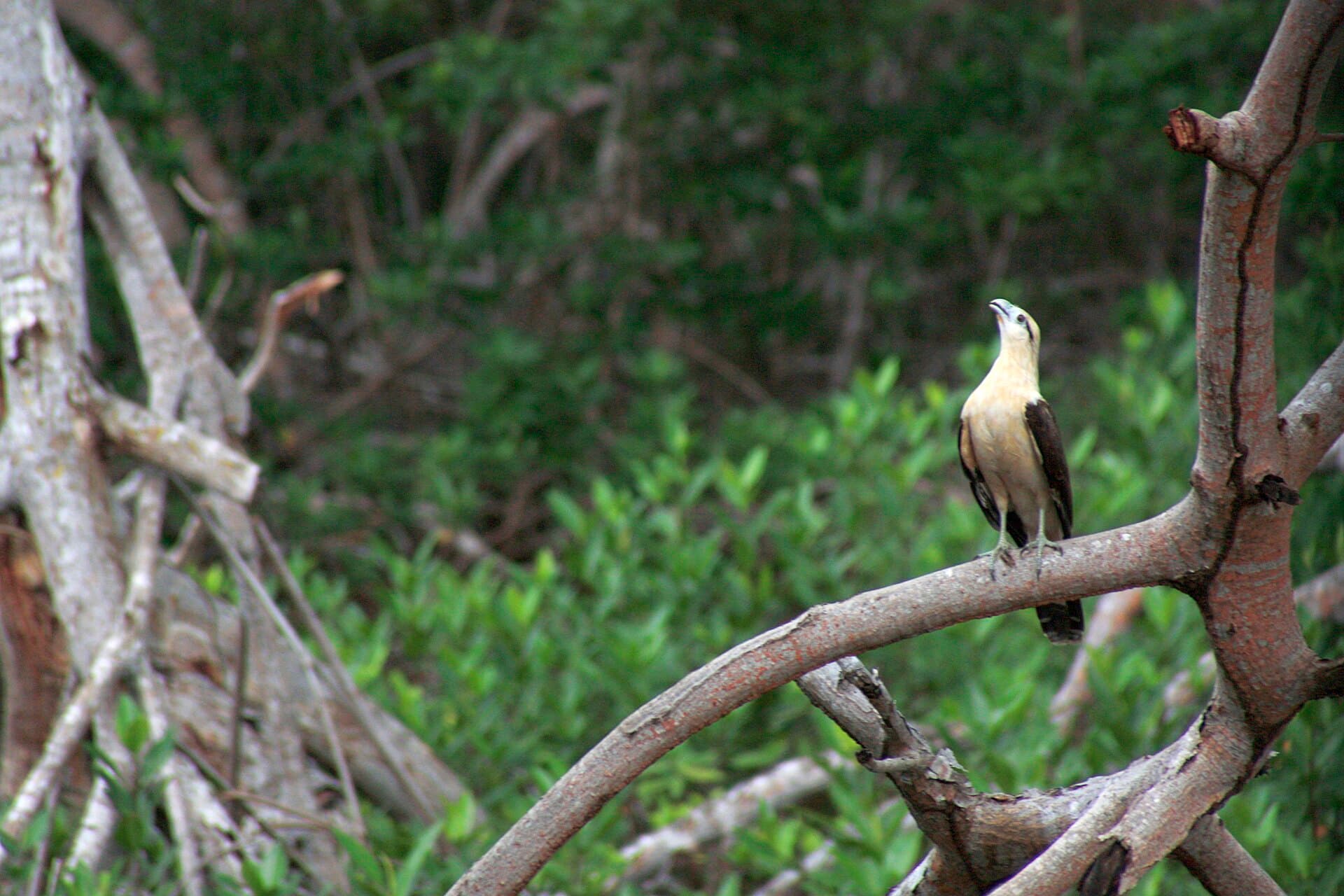
Bring reef-safe sunscreen, plenty of water, and cash; few services exist on the island itself. Respect protected-area rules: no collecting coral or shells, and stay on marked paths to avoid disturbing nesting seabirds.