
Keep reading
Nearby & related
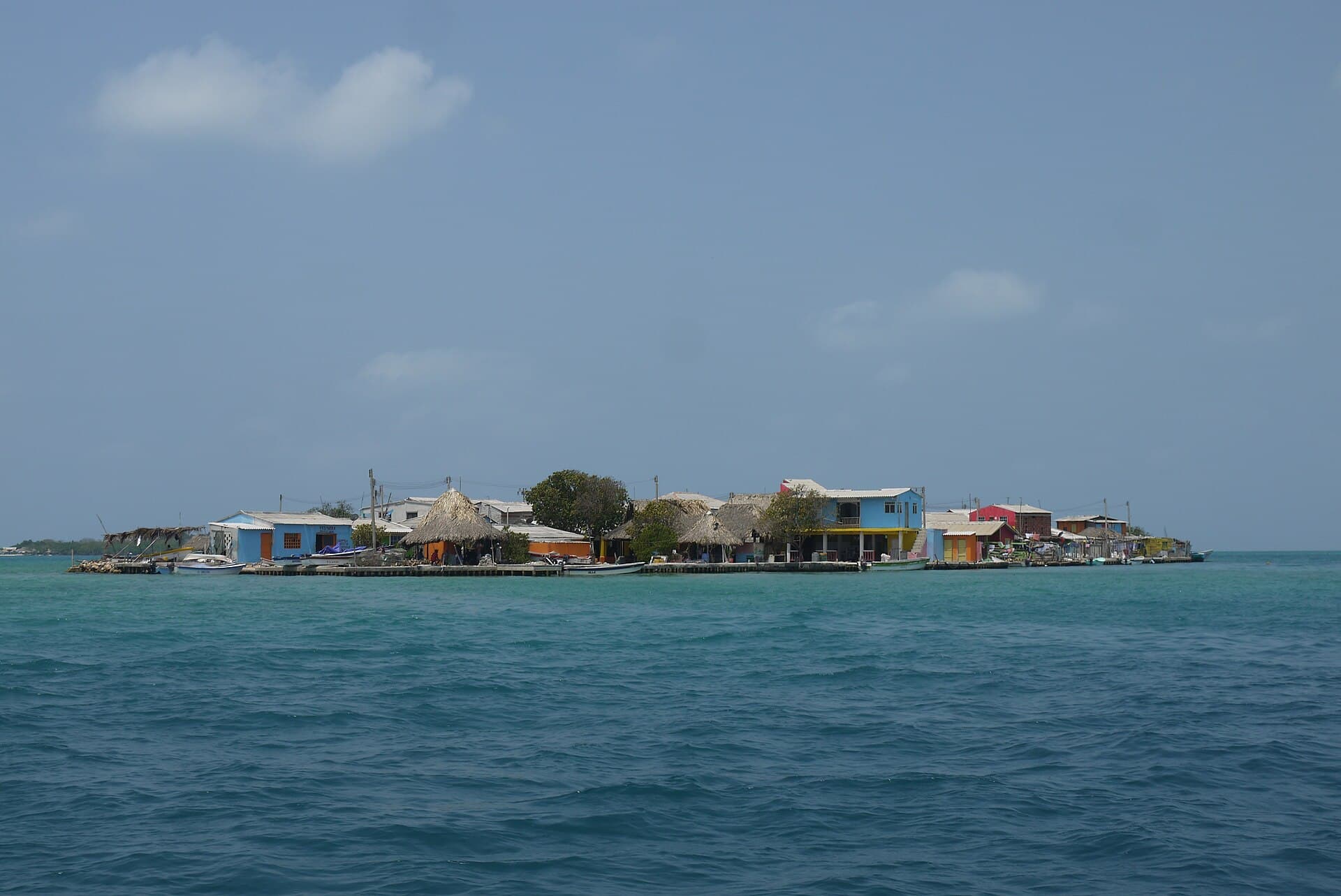
Santa Cruz del Islote: Colombia’s Densely Populated Caribbean Fishing Island
Visit this compact island community in the San Bernardo Archipelago for an authentic glimpse of Caribbean island life…
25 November 2026
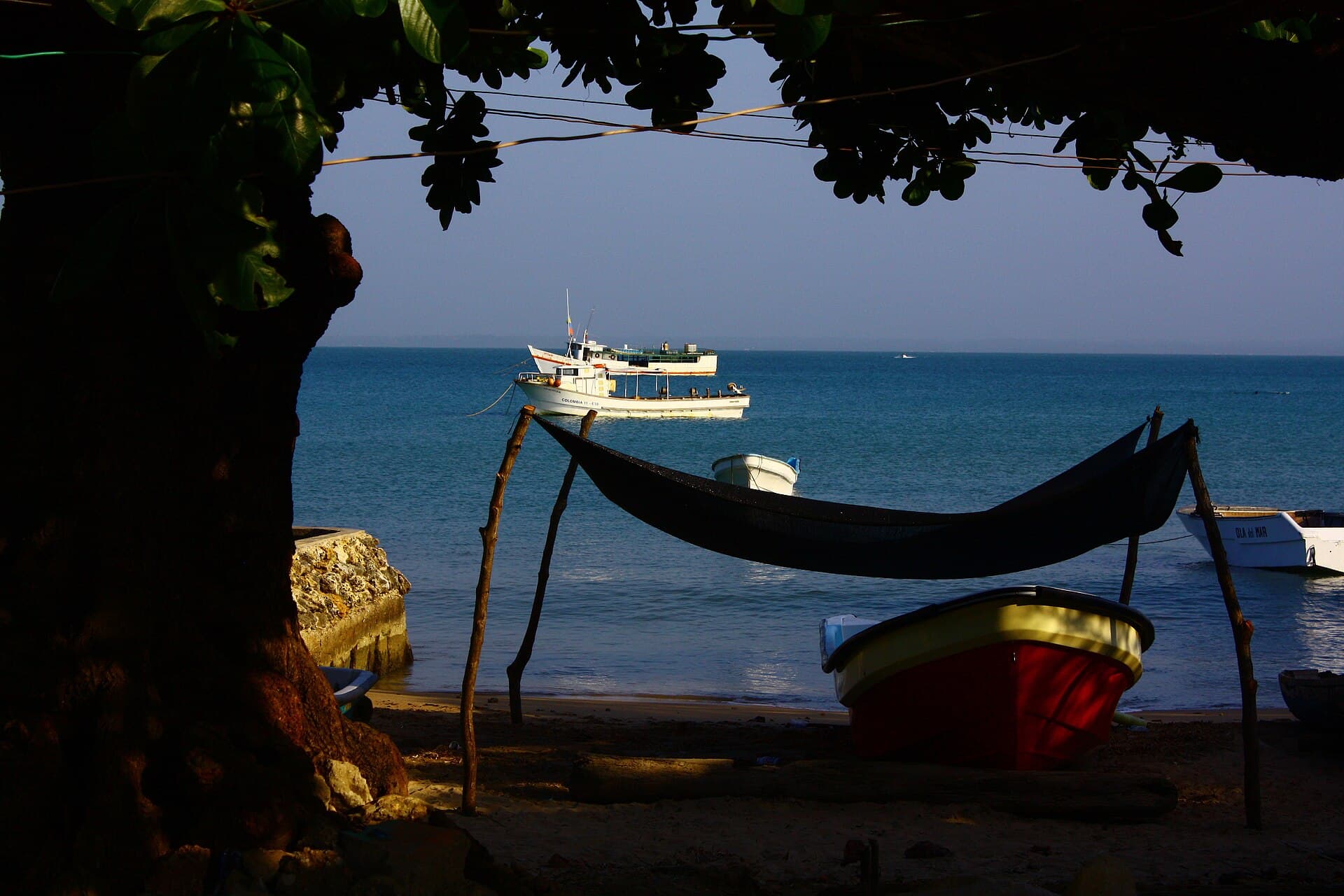
Explore the secluded beaches, coral reefs, and mangrove forests of Fuerte Island in Colombia’s Bolívar Department.
Fuerte Island sits in the Caribbean Sea roughly 20 kilometers off the northern Colombian coast. Its white-sand beaches, clear turquoise waters, and low visitor numbers make it an appealing alternative to busier destinations near Cartagena. The island’s compact size allows visitors to walk its length in a few hours while discovering quiet coves, a historic lighthouse, and dense interior vegetation.
Most travelers reach Fuerte Island by boat from the port of Tolú or from Cartagena. Scheduled launches depart Tolú most mornings and return in the late afternoon; the crossing takes about 90 minutes. Private boat charters are also available from smaller coastal villages. Once on the island, movement is on foot or by local bicycle rentals along the single coastal track.
The driest months run from December through April, offering calm seas and reliable sunshine. May to November brings occasional rain but also fewer visitors and lower boat fares. Water temperatures remain warm year-round, so snorkeling and swimming are enjoyable any season.
Playa Blanca on the northern shore is the island’s signature beach, backed by coconut palms and offering calm swimming. South of the main settlement, snorkelers and divers explore fringing coral reefs that host parrotfish, sea turtles, and occasional rays. A short inland trail leads to the island lighthouse, where panoramic views extend across the surrounding cays.
Mangrove channels on the western side invite kayak or paddleboard exploration; local guides point out nesting birds and crabs. In the evening, the small village hosts simple seafood meals prepared with fresh catch. Sunset walks along the eastern beach provide quiet wildlife spotting, including hermit crabs and shorebirds.
Most visitors spend one or two nights to enjoy the beaches without rushing; a day trip is possible but limits time for snorkeling and sunset walks.
Yes, the main beaches have calm, clear water protected by reefs; always check local conditions and avoid swimming after heavy rains that can increase currents.
Fresh seafood, coconut rice, and plantains are staples served at small family-run eateries; vegetarians should bring supplementary snacks.
A basic health post exists for minor issues; serious conditions require evacuation by boat to the mainland, so travel insurance is recommended.
Limited beach camping is sometimes permitted with prior arrangement through local families; most visitors stay in simple guesthouses or eco-lodges.
Keep reading
Visit this compact island community in the San Bernardo Archipelago for an authentic glimpse of Caribbean island life…