Skip to content
Plan & Tour
DestinationsItinerariesTravel BlogAboutContact
0Sign inPlan a trip
Plan & TourPlan & Tour

Travel guides, destination inspiration and curated itineraries for Canada, the USA and beyond, plus a free tool to plan your own day-by-day trip.

Get travel inspiration

Explore

  • All Destinations
  • Curated Itineraries
  • Travel Blog
  • Plan a Trip

Topics

  • Hiking & Nature
  • Food & Drink
  • City Breaks
  • Budget Travel

Company

  • About Us
  • Contact
  • Privacy Policy
  • Terms of Service

© 2026 Plan & Tour. Built for travellers.

Discover the world, one trip at a time.

I
  1. Home
  2. Destinations
  3. Nariño Department
  4. Iscuandé River: Exploring Colombia’s Pacific Mangrove Wilderness in Nariño
River

Iscuandé River: Exploring Colombia’s Pacific Mangrove Wilderness in Nariño

A remote river system offering biodiversity-rich boat journeys and community-led ecotourism in Colombia’s southwestern Pacific lowlands.

Nariño DepartmentUpdated 27 November 2026

Why the Iscuandé River Stands Out

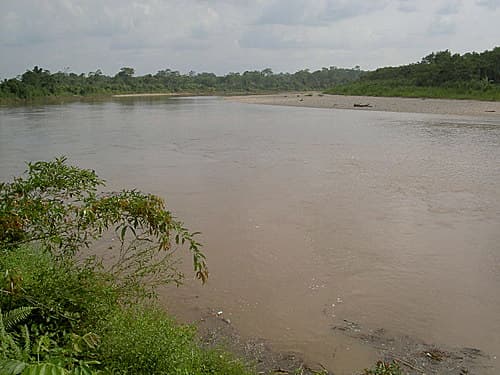
The Iscuandé River drains the western slopes of the Andes in Nariño Department before emptying into the Pacific Ocean through extensive mangrove forests. Its blackwater channels and tidal estuaries support one of the most intact coastal ecosystems on Colombia’s Pacific coast, with sightings of roseate spoonbills, howler monkeys, and river otters common on quiet mornings. Because the river remains lightly visited, travelers experience genuine solitude and the chance to support Afro-Colombian and indigenous fishing communities that manage small-scale tourism.

Reaching the Iscuandé River

Most visitors fly into San Andrés Airport near Tumaco or the regional hub of Pasto, then continue by paved road to the river port of Iscuandé or the village of El Charco. From these points, motorized dugout canoes or small launches provide the only access to the river’s upper reaches and tributary creeks. The journey from Tumaco typically takes three to four hours by road plus an additional hour on water; travelers from Pasto should allow a full day. Advance coordination with local boat operators is essential, as schedules follow tides and fishing needs rather than fixed timetables.

Activities Along the River

  • Half- or full-day mangrove tours by canoe that pass through tunnels of red and black mangroves where crabs, oysters, and nesting herons can be observed.
  • Community-hosted overnight stays in stilt houses where hosts prepare fresh river shrimp and plantain dishes while sharing stories of traditional fishing techniques.
  • Early-morning or dusk wildlife spotting on quieter side channels, especially rewarding during lower tides when mudflats attract shorebirds.
  • Optional extensions to nearby Pacific beaches for turtle nesting season walks, always guided by local monitors.

Best Time to Visit

The driest months, December through March, bring lower river levels and clearer skies, making navigation easier and wildlife more visible. April to June sees heavier rains that swell the river but also boost fish runs and bird activity; September and October are transitional. Year-round humidity and frequent afternoon showers mean lightweight rain gear is useful regardless of season.

Nearby Places Worth Combining

From the Iscuandé mouth, travelers can continue south toward the beaches and Afro-Colombian communities around Tumaco or north to the Sanquianga National Natural Park, which protects additional mangrove and estuary habitat. Inland, the highland town of Pasto offers colonial architecture and access to the volcanoes of the Andean crest for those extending their journey.

Visitor tips

  • Book boat transport and community lodging at least a week ahead through the tourism office in Tumaco or El Charco, as capacity is limited.
  • Pack biodegradable sunscreen, insect repellent, and a dry bag; river levels and tides change quickly and electronic devices need protection.
  • Hire only locally recommended guides to ensure revenue stays with river communities and to follow low-impact wildlife viewing protocols.

Frequently asked questions

Is the Iscuandu00e9 River safe for independent travelers?+

The area is generally peaceful when visitors travel with established local operators; solo exploration is discouraged because of limited signage and changing tidal conditions.

What kind of wildlife can I realistically expect to see?+

Common sightings include herons, kingfishers, monkeys in the canopy, and occasionally river otters or caimans; larger mammals are shy and best seen on quiet early-morning trips.

Are there facilities such as restaurants or ATMs along the river?+

Services are minimal; most meals are provided by host families and cash should be obtained before leaving Tumaco or Pasto.

How physically demanding are the boat trips?+

Trips are seated and low-impact, though transfers between boats at low tide may require stepping across muddy banks; the journeys are suitable for most mobility levels with advance notice.

Can I combine a visit with Sanquianga National Natural Park?+

Yes; many local operators offer multi-day itineraries that continue from the Iscuandu00e9 estuary into the parku2019s protected mangrove channels.

Share
Google Maps Apple Maps Directions

Keep reading

Nearby & related

All stories
San Miguel River: A Biodiverse Waterway in Colombia’s Nariño Department
Nariño Department

San Miguel River: A Biodiverse Waterway in Colombia’s Nariño Department

Discover the scenic San Miguel River, where Andean foothills meet Amazonian forests in southern Colombia.

27 November 2026
Güiza River: Wild Waters and Biodiversity in Colombia’s Nariño Department
Nariño Department

Güiza River: Wild Waters and Biodiversity in Colombia’s Nariño Department

This remote Pacific-draining river in southwestern Colombia rewards visitors with dense rainforest, abundant wildlife,…

27 November 2026
Laguna de la Cocha: Serene Andean Lake Escape Near Pasto
Nariño Department

Laguna de la Cocha: Serene Andean Lake Escape Near Pasto

This high-altitude lake in Nariño offers boat journeys through misty waters, forested islands, and quiet Andean scenery…

27 November 2026