Skip to content
Plan & Tour
DestinationsItinerariesTravel BlogAboutContact
0Sign inPlan a trip
Plan & TourPlan & Tour

Travel guides, destination inspiration and curated itineraries for Canada, the USA and beyond, plus a free tool to plan your own day-by-day trip.

Get travel inspiration

Explore

  • All Destinations
  • Curated Itineraries
  • Travel Blog
  • Plan a Trip

Topics

  • Hiking & Nature
  • Food & Drink
  • City Breaks
  • Budget Travel

Company

  • About Us
  • Contact
  • Privacy Policy
  • Terms of Service

© 2026 Plan & Tour. Built for travellers.

Discover the world, one trip at a time.

Güiza River: Wild Waters and Biodiversity in Colombia’s Nariño Department
  1. Home
  2. Destinations
  3. Nariño Department
  4. Güiza River: Wild Waters and Biodiversity in Colombia’s Nariño Department
River

Güiza River: Wild Waters and Biodiversity in Colombia’s Nariño Department

This remote Pacific-draining river in southwestern Colombia rewards visitors with dense rainforest, abundant wildlife, and authentic encounters with local communities.

Nariño DepartmentUpdated 27 November 2026

Discovering the Güiza River

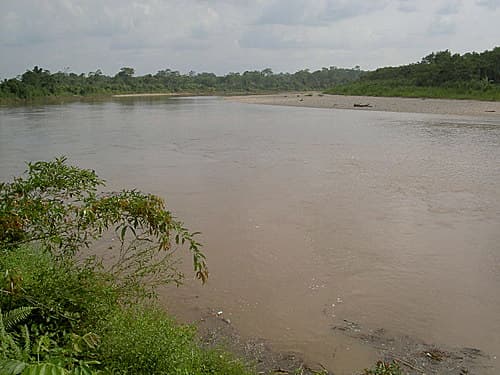
The Güiza River flows through the rugged lowlands of Nariño Department, carving through one of Colombia’s most biodiverse rainforest corridors before reaching the Pacific. Its waters support mangroves, riverine forests, and a rich mix of tropical species, offering travelers a quieter alternative to more developed destinations along the coast.

Activities Along the Güiza

Boat journeys on the river reveal shifting sandbars, overhanging ceiba trees, and frequent sightings of howler monkeys, toucans, and kingfishers. Local operators run half-day and full-day excursions that combine paddling or motorized travel with stops for short rainforest walks. Birdwatchers appreciate the high density of migratory and resident species, especially at dawn. Fishing for native species such as bocachico is popular when practiced sustainably under local guidance.

Wildlife and Nature

The surrounding floodplain forests host sloths, iguanas, and occasional caimans. Early-morning or late-afternoon floats maximize chances of spotting river otters and colorful parrots. The river’s banks also feature seasonal fruiting trees that attract large troops of monkeys, creating reliable viewing opportunities without disturbing the animals.

Reaching the Güiza River

Most visitors fly into San Andrés de Tumaco’s airport, then continue by road or boat to riverside communities near the lower Güiza. From Pasto, the journey involves a winding descent through the Andes followed by a coastal transfer. Hiring a local driver or boat captain familiar with river conditions is the most reliable approach; public transport reaches nearby villages but rarely follows the river itself.

When to Visit

The drier months from December through March and July through September generally provide calmer river levels and clearer trails. Even in the wetter season the river remains navigable, though sudden rises can limit access to certain side channels. Travelers should pack lightweight rain gear year-round.

Exploring the Surroundings

Combine a river trip with visits to Tumaco’s coastal mangroves or the Afro-Colombian communities that maintain traditional fishing practices. Further inland, the highland towns of Nariño offer striking volcanic landscapes and the famous Santuario de Las Lajas. The Güiza serves as a natural corridor linking these highland and coastal worlds.

Visitor tips

  • Arrange river travel through established local operators who know shifting sandbars and seasonal water levels.
  • Carry biodegradable sunscreen and insect repellent formulated for tropical forests.
  • Respect community norms by asking permission before photographing people or entering private riverbanks.

Frequently asked questions

Is the Gu00fciza River safe for swimming?+

Swimming is possible in calm stretches but strong currents and occasional debris after rains require caution; always follow local advice.

Do I need a guide to visit the Gu00fciza River?+

A local guide or boat captain is strongly recommended for navigation, wildlife interpretation, and cultural context.

What wildlife is most commonly seen along the Gu00fciza?+

Visitors regularly spot howler monkeys, toucans, kingfishers, sloths, and various herons, especially during early morning or late afternoon.

How long should I plan to spend at the Gu00fciza River?+

A minimum of two full days allows for one river excursion and time to explore nearby coastal or community sites.

Are there accommodations near the Gu00fciza River?+

Basic guesthouses and community-run lodges exist in riverside villages; more comfortable hotels are available in Tumaco or Pasto.

Share
Google Maps Apple Maps Directions

Image: GalindezJuelpaz · CC0 · via Wikimedia Commons

Keep reading

Nearby & related

All stories
I
Nariño Department

Iscuandé River: Exploring Colombia’s Pacific Mangrove Wilderness in Nariño

A remote river system offering biodiversity-rich boat journeys and community-led ecotourism in Colombia’s southwestern…

27 November 2026
San Miguel River: A Biodiverse Waterway in Colombia’s Nariño Department
Nariño Department

San Miguel River: A Biodiverse Waterway in Colombia’s Nariño Department

Discover the scenic San Miguel River, where Andean foothills meet Amazonian forests in southern Colombia.

27 November 2026
Laguna de la Cocha: Serene Andean Lake Escape Near Pasto
Nariño Department

Laguna de la Cocha: Serene Andean Lake Escape Near Pasto

This high-altitude lake in Nariño offers boat journeys through misty waters, forested islands, and quiet Andean scenery…

27 November 2026