Why the Illecillewaet River Stands Out
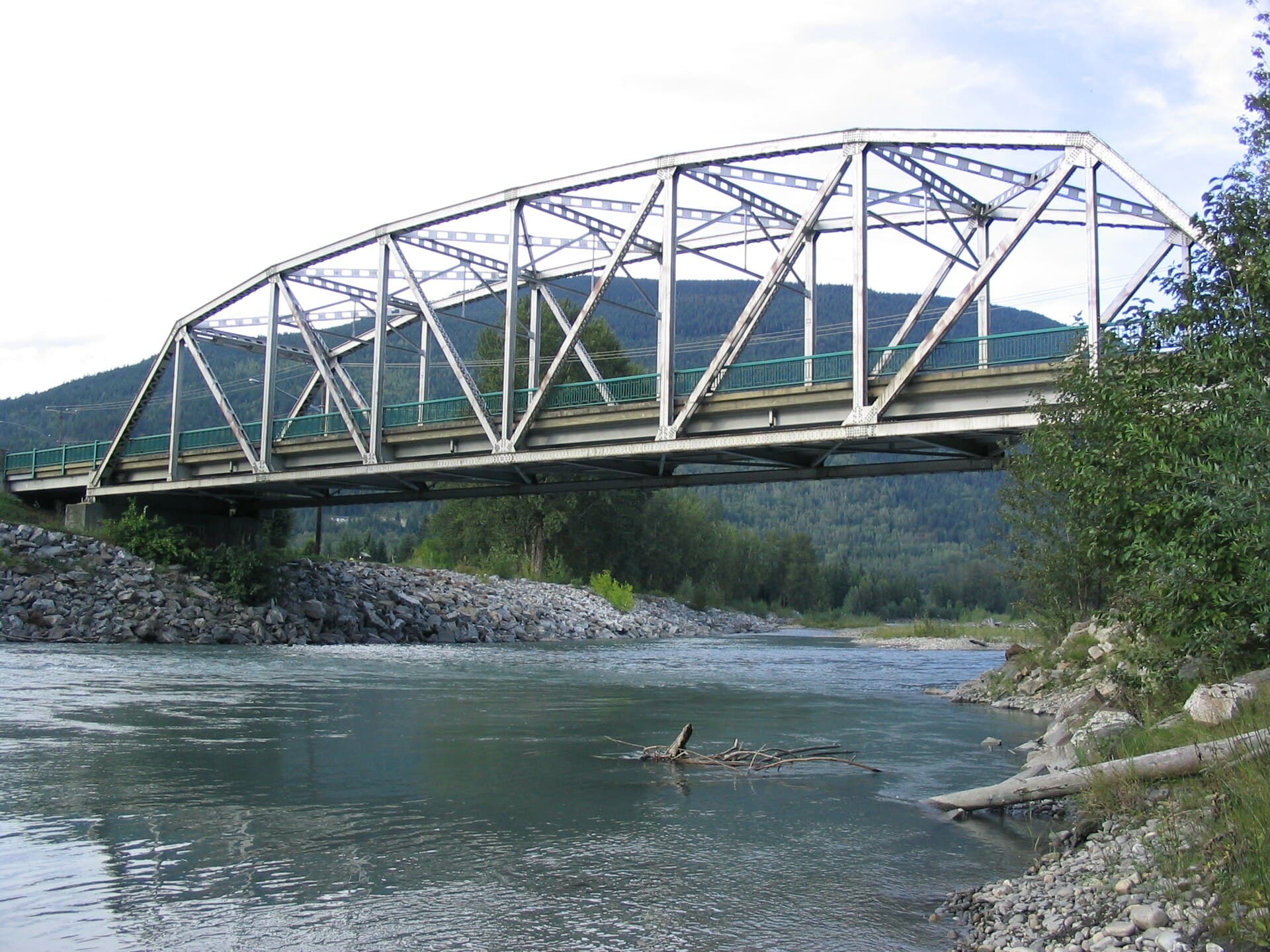
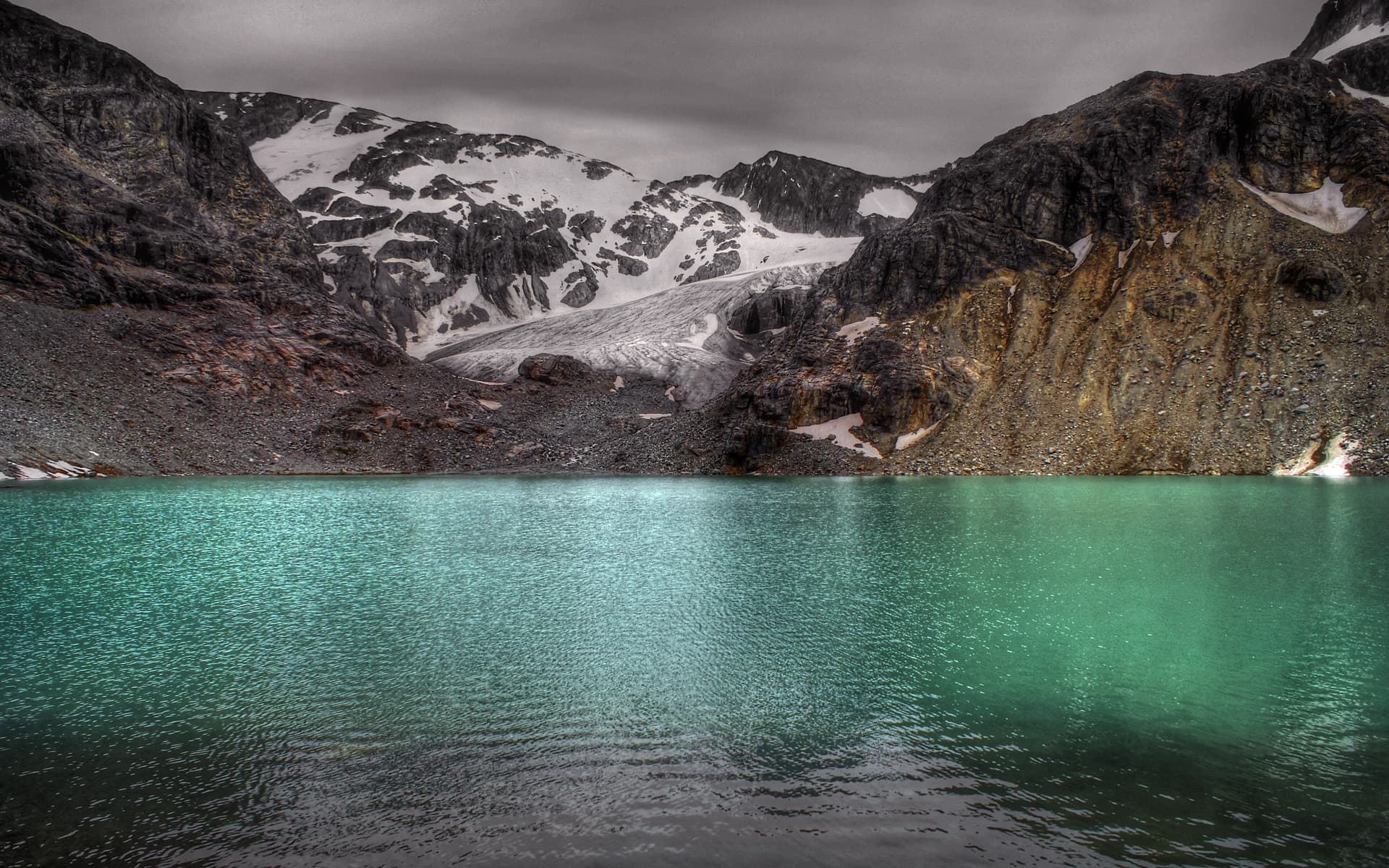
The Illecillewaet River drains the western slopes of the Selkirk Mountains in southeastern British Columbia, carrying meltwater from high alpine glaciers into the Columbia River system. Its striking turquoise color comes from suspended rock flour, and the river’s steady gradient creates a mix of calm stretches and lively rapids that draw experienced whitewater enthusiasts. The surrounding old-growth cedar-hemlock forest and steep granite walls create a remote feel even though the Trans-Canada Highway runs parallel for much of its length.
What to See and Do
Popular activities center on the lower and middle sections of the river. Guided rafting trips typically put in near the Illecillewaet Campground and take out at the confluence with the Columbia, covering Class II–III rapids with occasional bigger drops. Anglers target bull trout and rainbow trout in the deeper pools, especially in early summer. On land, the Illecillewaet Trail follows the river for several kilometers through mossy forest before climbing toward alpine meadows. Photographers favor the viewpoints along Highway 1 where the river tumbles beneath the snow-capped peaks of Mount Sir Donald and Mount Abbott.
Access Points and Trails
The most convenient river access is at the Illecillewaet Campground pullout west of Rogers Pass. A short walk downstream reaches a gravel bar suitable for launching kayaks or rafts. Upstream, the Asulkan Valley trailhead provides a strenuous hike that eventually overlooks the river’s headwaters. Always check current trail conditions at the Rogers Pass Discovery Centre before setting out, as avalanche paths and washouts can close routes.
Getting There
The river lies along the Trans-Canada Highway between Golden and Revelstoke. Most visitors arrive by car; the nearest major airport is in Kelowna, roughly three hours away. Rogers Pass itself sits at 1,330 metres elevation, so winter driving requires good tires and awareness of avalanche closures. No public transit serves the immediate river corridor.
Best Time to Visit
Peak season runs from late June through early September when snowmelt stabilizes and daytime temperatures are comfortable for water sports. July and August bring the warmest water and longest daylight. Shoulder months of May and October offer fewer crowds and excellent fishing but require preparation for cold nights and possible early snow at higher elevations.
Nearby Attractions
Glacier National Park’s visitor centre at Rogers Pass provides exhibits on the region’s railway history and avalanche control. The nearby town of Revelstoke offers additional river outfitters, restaurants, and the Revelstoke Dam visitor centre. Further west, the Columbia River wetlands provide flat-water paddling opportunities that contrast with the Illecillewaet’s faster current.