
Keep reading
Nearby & related
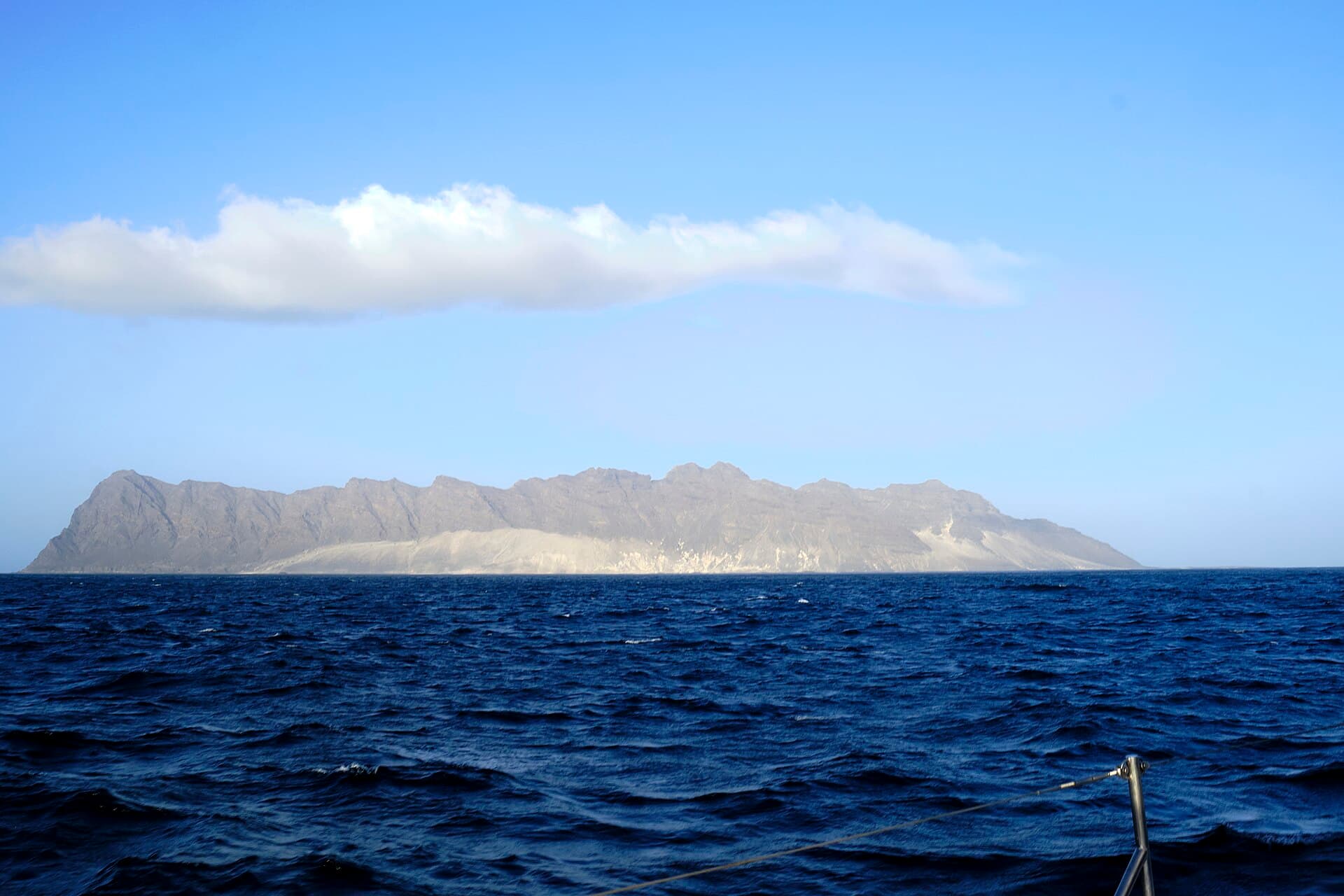
Ilhéu Branco: Cape Verde’s Remote Bird Sanctuary Island
A pristine, uninhabited islet off São Nicolau offering dramatic cliffs, seabird colonies, and untouched Atlantic waters.
23 November 2026
This uninhabited volcanic islet offers rare bird colonies, dramatic cliffs, and pristine waters just off Tarrafal de São Nicolau.
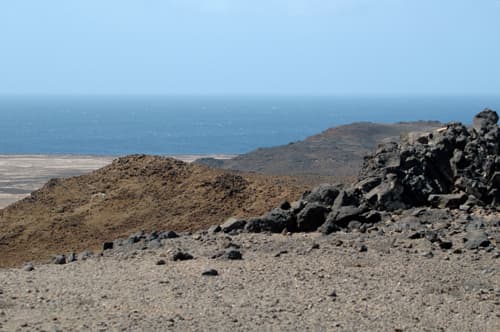
Ilhéu Raso rises sharply from the Atlantic as a stark, volcanic remnant shaped by lava flows and ocean winds. Located roughly 16 kilometers northwest of São Nicolau, the 7-square-kilometer islet forms part of Cape Verde’s protected nature reserves. Its isolation has preserved habitat for the critically endangered Raso lark, nesting seabirds, and occasional green turtles that haul out on small beaches. Visitors come for the raw scenery of black basalt cliffs, dry acacia scrub, and clear surrounding waters that support vibrant reef fish.
Access begins in Tarrafal de São Nicolau, the nearest settlement with a small harbor. Local fishermen and tour operators run boat transfers that take 45 to 90 minutes depending on sea conditions. Landings occur on a rocky shelf; there are no docks or facilities. Travelers should confirm weather forecasts and sea state in advance, as strong swells can make approaches impossible for days at a time. No scheduled ferry service exists, so arrangements are made directly with skippers.
Birdwatching dominates most itineraries. Dawn and dusk walks along the plateau reveal Raso larks singing from low shrubs, while frigatebirds and shearwaters wheel overhead. Hikers can traverse the central ridge for panoramic views of neighboring Ilhéu Branco and the São Nicolau coastline. Snorkeling in the sheltered coves reveals parrotfish and moray eels among volcanic boulders. Photographers favor the contrast between dark rock and turquoise water, especially in late afternoon light. Overnight camping is possible but requires full self-sufficiency and prior permission from Cape Verdean authorities.
The calmest seas and most reliable weather occur from November through June. Trade winds keep temperatures moderate, and seabird nesting peaks between March and May. July to October brings higher humidity, occasional dust storms from Africa, and rougher Atlantic swells that can strand visitors.
After a day on Raso, many travelers continue to Ilhéu Branco for additional seabird colonies or return to Tarrafal to explore the terraced valleys and traditional villages of São Nicolau. The island’s main town of Ribeira Brava offers markets and small museums that provide cultural context for the archipelago’s volcanic landscapes.
No permanent residents live on the islet. All visits are day trips or limited camping by permit only.
Yes, the clear waters near the rocky shores offer good snorkeling, but currents can be strong and there are no lifeguards or facilities.
A local boat skipper is essential for navigation and safety; hiring a naturalist guide from Su00e3o Nicolau adds value for bird identification.
The endemic Raso lark, several seabird species, and occasionally green sea turtles are the main attractions, especially during nesting season.
There are none. Visitors must bring all supplies and remove all waste when departing.
Keep reading
A pristine, uninhabited islet off São Nicolau offering dramatic cliffs, seabird colonies, and untouched Atlantic waters.