
Keep reading
Nearby & related
Ilhéu Raso: Cape Verde’s Wild Islet Sanctuary Near São Nicolau
This uninhabited volcanic islet offers rare bird colonies, dramatic cliffs, and pristine waters just off Tarrafal de São…
23 November 2026
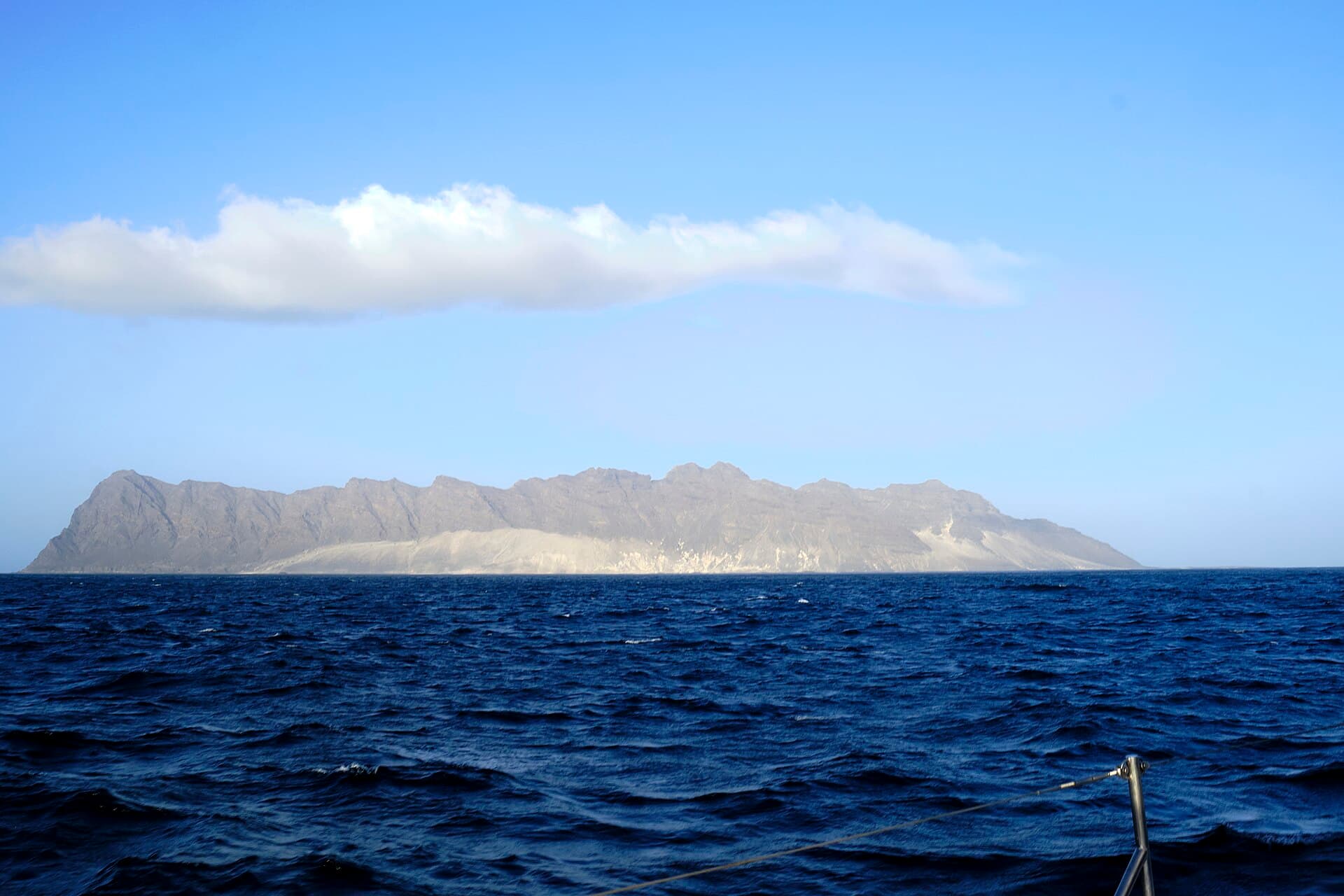
A pristine, uninhabited islet off São Nicolau offering dramatic cliffs, seabird colonies, and untouched Atlantic waters.
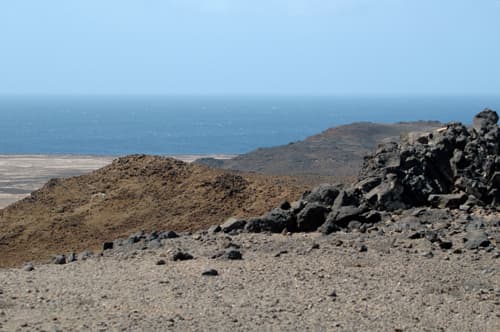
Ilhéu Branco rises sharply from the sea between São Nicolau and the smaller Ilhéu Raso, its steep volcanic cliffs and arid slopes providing critical nesting habitat for seabirds. The island remains uninhabited, preserving a raw landscape of black lava rock, salt-tolerant shrubs, and sweeping ocean views that reward visitors seeking solitude and wildlife rather than developed beaches or resorts.
Access is exclusively by boat from the fishing village of Tarrafal de São Nicolau on the northwest coast of São Nicolau. Local fishermen and small tour operators run day trips when sea conditions allow; the crossing typically takes 45 to 90 minutes depending on wind and swell. Because no facilities exist on the island, travelers must arrange a full-day excursion that includes time ashore and a return before dusk.
Most visitors land at a sheltered cove on the eastern side and hike along faint trails that climb toward the central plateau. The main attraction is the dense breeding colonies of Cape Verde shearwaters, Bulwer’s petrels, and various terns that nest on the cliffs and in boulder fields. Patient observers may also spot the endemic Raso lark on nearby islets or passing whales and dolphins in the channel. Snorkeling in the clear, fish-rich waters around the rocky shoreline reveals parrotfish and moray eels, while the island’s stark geology offers striking photography opportunities at sunrise and sunset.
The calmest seas and driest conditions occur from December through June, coinciding with the peak seabird nesting season. July to November brings higher winds, rougher crossings, and the possibility of tropical storms, so trips are less reliable. Early morning departures maximize bird activity and minimize afternoon swell.
Combine a visit with exploration of São Nicolau’s dramatic central highlands, the colorful town of Tarrafal, or the neighboring Ilhéu Raso, which shares similar birdlife. Many boat operators offer combined itineraries that include both islets in a single day when conditions permit.
No permanent residents or facilities exist; it is a protected nature reserve visited only on day trips.
Seabird colonies, especially shearwaters and petrels, are the primary draw, along with occasional dolphins and tropical fish while snorkeling.
Most excursions are full-day outings departing Tarrafal in the morning and returning by late afternoon.
Informal paths lead from the landing cove up to the plateau, but they are unmarked and require good footwear and caution.
Yes, the sheltered eastern cove offers good snorkeling in calm conditions, though strong currents can occur outside the cove.
Keep reading
This uninhabited volcanic islet offers rare bird colonies, dramatic cliffs, and pristine waters just off Tarrafal de São…