Why This Museum Matters
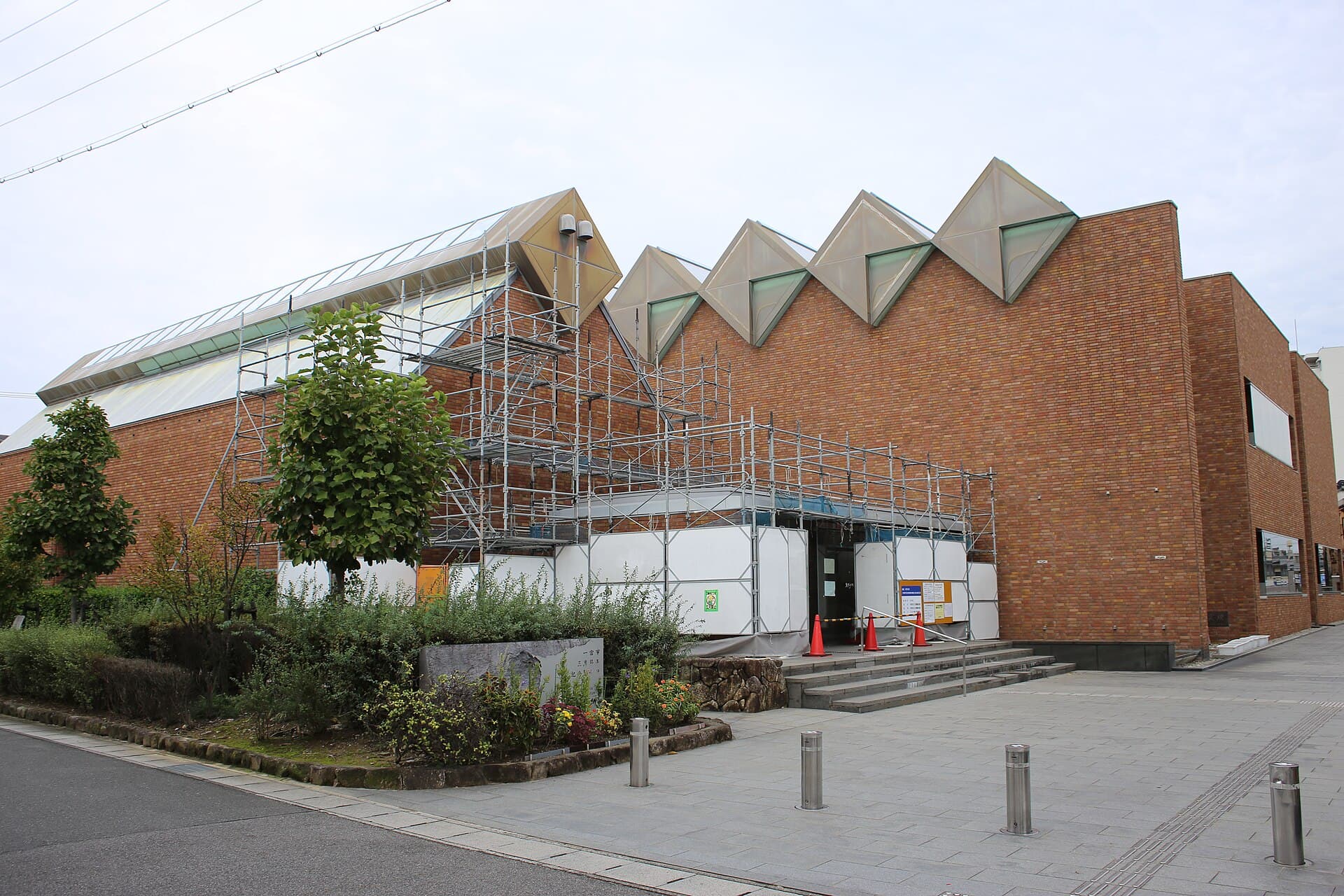
The Ichinomiya City Memorial Art Museum of Setsuko Migishi preserves the life’s work of one of Japan’s notable 20th-century painters in the city where she spent her later years. Migishi’s paintings, often executed in delicate watercolor and ink, capture everyday scenes, flowers, and landscapes with a restrained yet luminous touch. The museum offers visitors a focused encounter with her oeuvre rather than a broad survey of Japanese art, making it rewarding for those interested in post-war nihonga and personal artistic expression.
The Artist and Her Work
Setsuko Migishi trained under established masters and developed a style that blended traditional Japanese techniques with a modern sensibility. Her subjects range from quiet domestic interiors to seasonal flora and subtle portraits. The permanent collection displays rotating selections of her paintings, sketches, and personal materials, allowing visitors to trace the evolution of her technique and themes across decades. Because the museum is modest in scale, each piece receives careful attention and visitors can spend unhurried time with the works.
Visiting the Galleries
Exhibitions are arranged to highlight both finished paintings and preparatory studies, revealing Migishi’s meticulous process. Natural light from carefully placed windows enhances the translucent quality of her watercolors. A small reading area provides books and catalogues that contextualize her place within mid-century Japanese art circles. Photography is generally not permitted inside the galleries, encouraging direct engagement with the originals.
Getting There and Orientation
Ichinomiya lies between Nagoya and Gifu on the JR Tokaido Main Line. From Ichinomiya Station, local buses and a short taxi ride reach the museum, which sits in a quiet residential neighborhood. The surrounding streets offer a glimpse of everyday Aichi life, with traditional houses and small shrines nearby. Travelers coming from Nagoya can combine the visit with a half-day itinerary that includes the city’s textile heritage sites or the nearby Meiji-era architecture in the downtown area.
Best Time to Go
Spring and autumn provide the most comfortable weather for walking between the station and museum. Cherry blossoms in early April and vivid foliage in November add seasonal color to the modest garden adjacent to the building. Summer humidity can make the indoor galleries feel especially refreshing, while winter visits are quieter and allow for longer contemplation without crowds.
Nearby Attractions
After viewing the collection, visitors often continue to the Ichinomiya City area’s historic sites, including the large Masumida Shrine and the textile district that once powered the local economy. A short train ride reaches Nagoya’s major museums if a broader art itinerary is desired. The museum’s location makes it an easy, low-pressure stop for travelers exploring the Chubu region by rail.