Why Visit the Ichinomiya City Kisogawa Museum
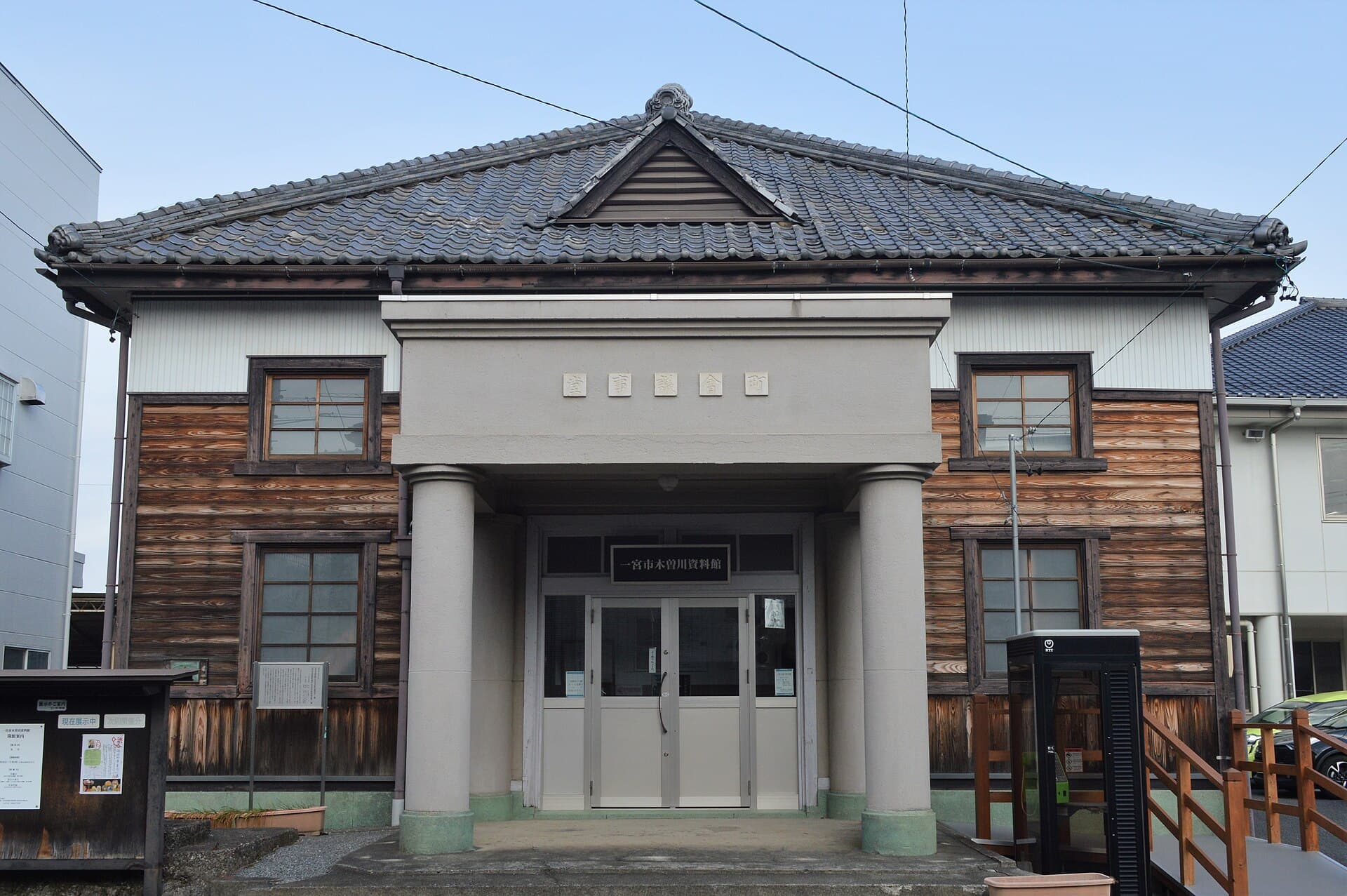
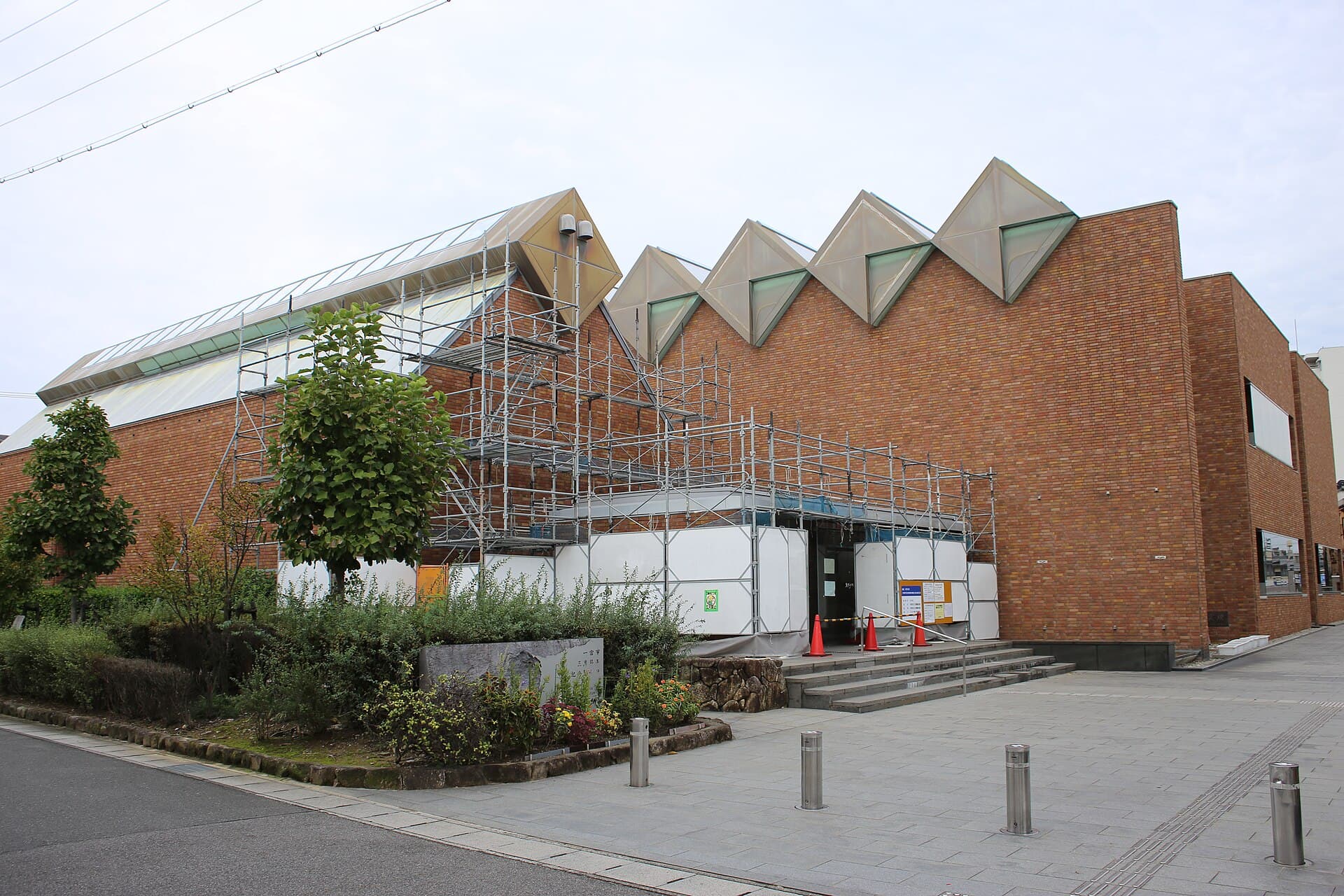
The Ichinomiya City Kisogawa Museum preserves the stories of the Kiso River and the surrounding Owari region, offering visitors a clear window into how water shaped local industry, festivals, and daily life. Unlike larger national institutions, the museum emphasizes everyday artifacts and oral histories that reveal the relationship between the river, textile production, and community resilience.
Exhibits and Collections
Permanent displays cover river ecology, historical flood control, and the development of cotton and hemp weaving that once thrived along the banks. Rotating exhibitions often highlight local artists or seasonal themes such as autumn harvest tools and winter fishing gear. Interactive maps allow visitors to trace old river courses and see how levees altered the landscape over centuries.
Highlights for First-Time Visitors
- Scale models of traditional wooden boats used for timber transport
- Textile samples showing the evolution from hand-loom to early mechanized weaving
- Photographs and recorded interviews with residents who lived through major floods in the 20th century
Getting There and Practical Access
The museum sits near the Kiso River in Ichinomiya, easily reached by Meitetsu train to Meitetsu Ichinomiya Station followed by a short local bus or taxi ride. Cyclists can follow riverside paths from central Ichinomiya. Parking is available for those arriving by car from Nagoya, roughly 30 minutes away via the Meishin Expressway.
Best Time to Visit and Nearby Attractions
Spring and autumn provide the most comfortable weather for combining a museum visit with outdoor walks along the river embankments. The nearby Masumida Shrine and the historic streets of the former castle town make a natural half-day itinerary. In summer, early morning visits help avoid humidity before exploring the riverbank paths.