Keep reading
Nearby & related

Ichinomiya City Kisogawa Museum: Local Heritage Along the Kiso River
Explore Aichi’s river history, crafts, and community stories at this focused municipal museum in Ichinomiya.

Uncover the textile traditions, local folklore, and everyday history of the Bisai district at this focused regional museum.
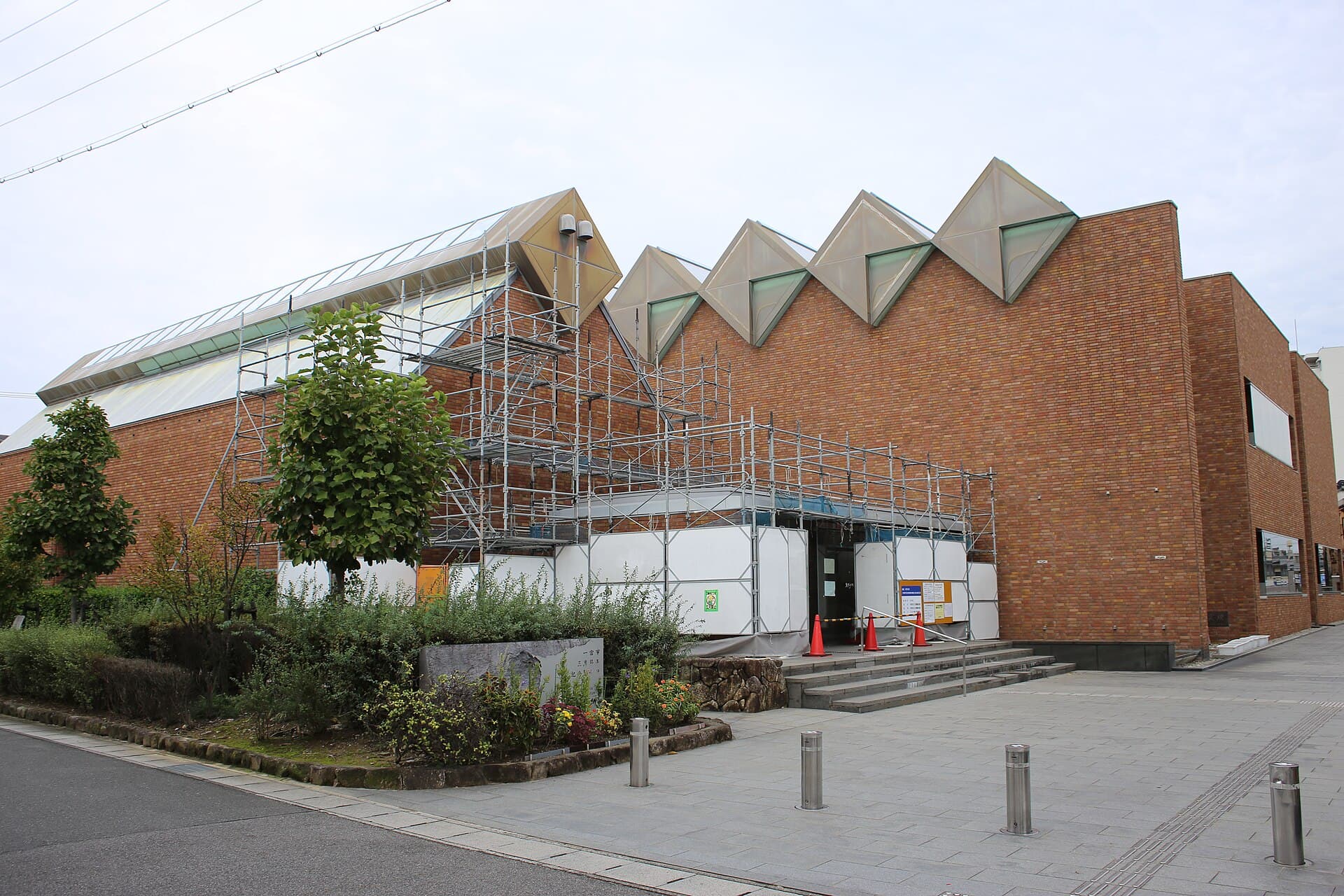
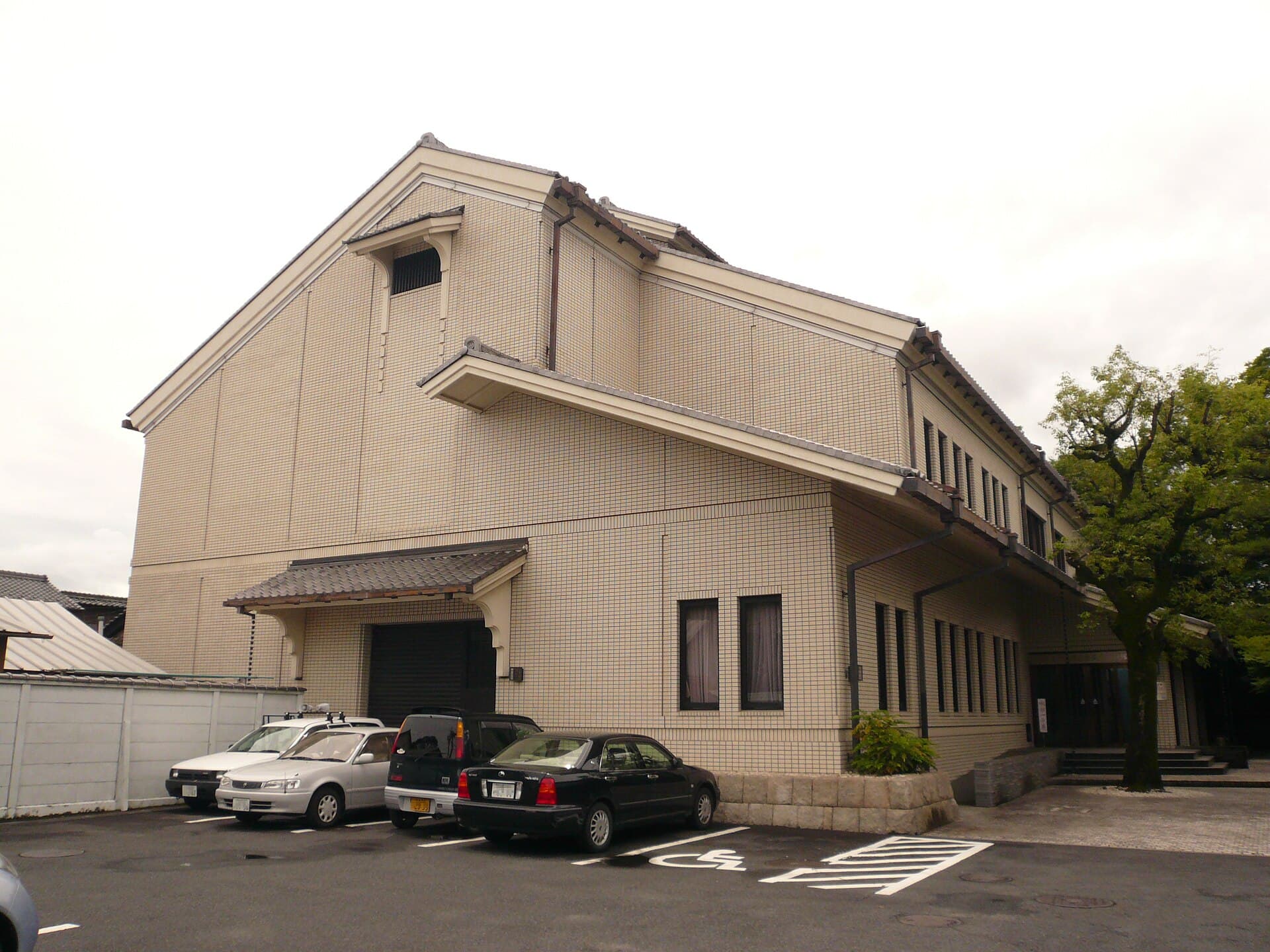
The Ichinomiya Bisai Museum of History and Folklore preserves the story of the Bisai area, once an independent city renowned across Japan for its cotton weaving and indigo dyeing. Visitors gain insight into how this modest district became a major production center in the late 19th and early 20th centuries, shaping both the local economy and daily life.
Permanent displays feature restored handlooms, dyeing vats, sample fabrics, and tools used by generations of weavers. Exhibits also cover seasonal festivals, household customs, and local legends tied to the region’s waterways and farmland. Temporary galleries rotate between archival photographs, folk crafts, and personal stories from Bisai families.
Bisai Station on the Meitetsu Bisai Line sits a short walk from the museum. Travelers coming from Nagoya can reach the station in roughly 30 minutes. Local buses and taxis serve the immediate area; parking is available for those arriving by car. The museum integrates easily into a day trip that also includes Masumida Shrine or the nearby Owari Textile Museum.
Spring and autumn offer the most comfortable weather for walking between sites. Summer brings vibrant local festivals that complement the museum’s folklore displays, while winter provides quieter galleries and a chance to see how traditional homes stayed warm during colder months. Allow at least ninety minutes for a thoughtful visit.
Keep reading

Explore Aichi’s river history, crafts, and community stories at this focused municipal museum in Ichinomiya.
The museum concentrates on the textile industry that defined Bisai, along with everyday folklore, household objects, and seasonal traditions of the area.
Most visitors find 60 to 90 minutes sufficient to view the permanent collections and any current temporary exhibits.
Yes. The displays include tactile elements and clear explanations that appeal to families interested in local crafts and history.
Absolutely. The short train ride on the Meitetsu line makes it an easy half-day or full-day outing when paired with nearby shrines or textile sites.
Basic English labels accompany many key exhibits; staff can provide additional context in Japanese for visitors who ask.