Why Hori River Stands Out in Nagoya
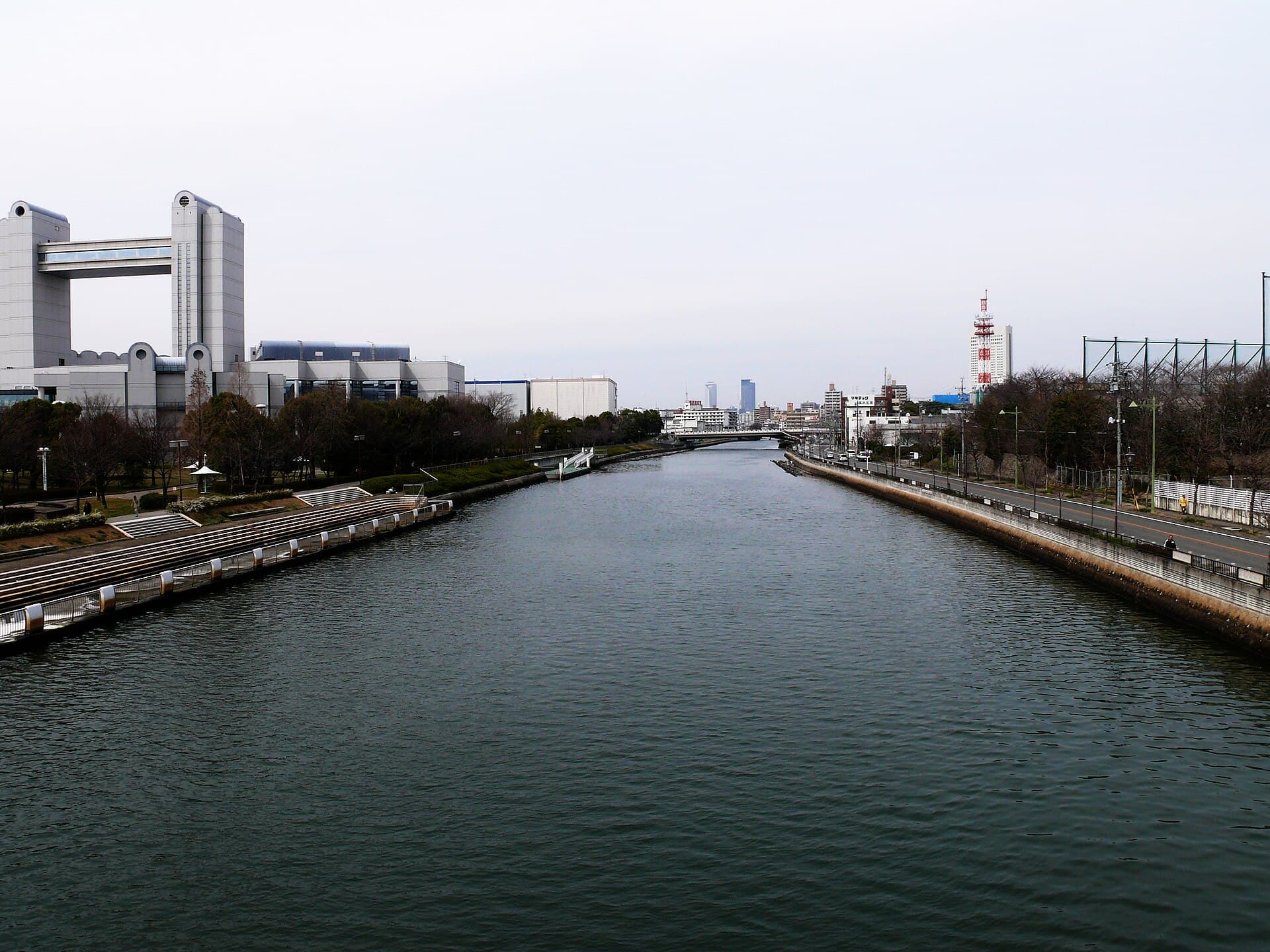
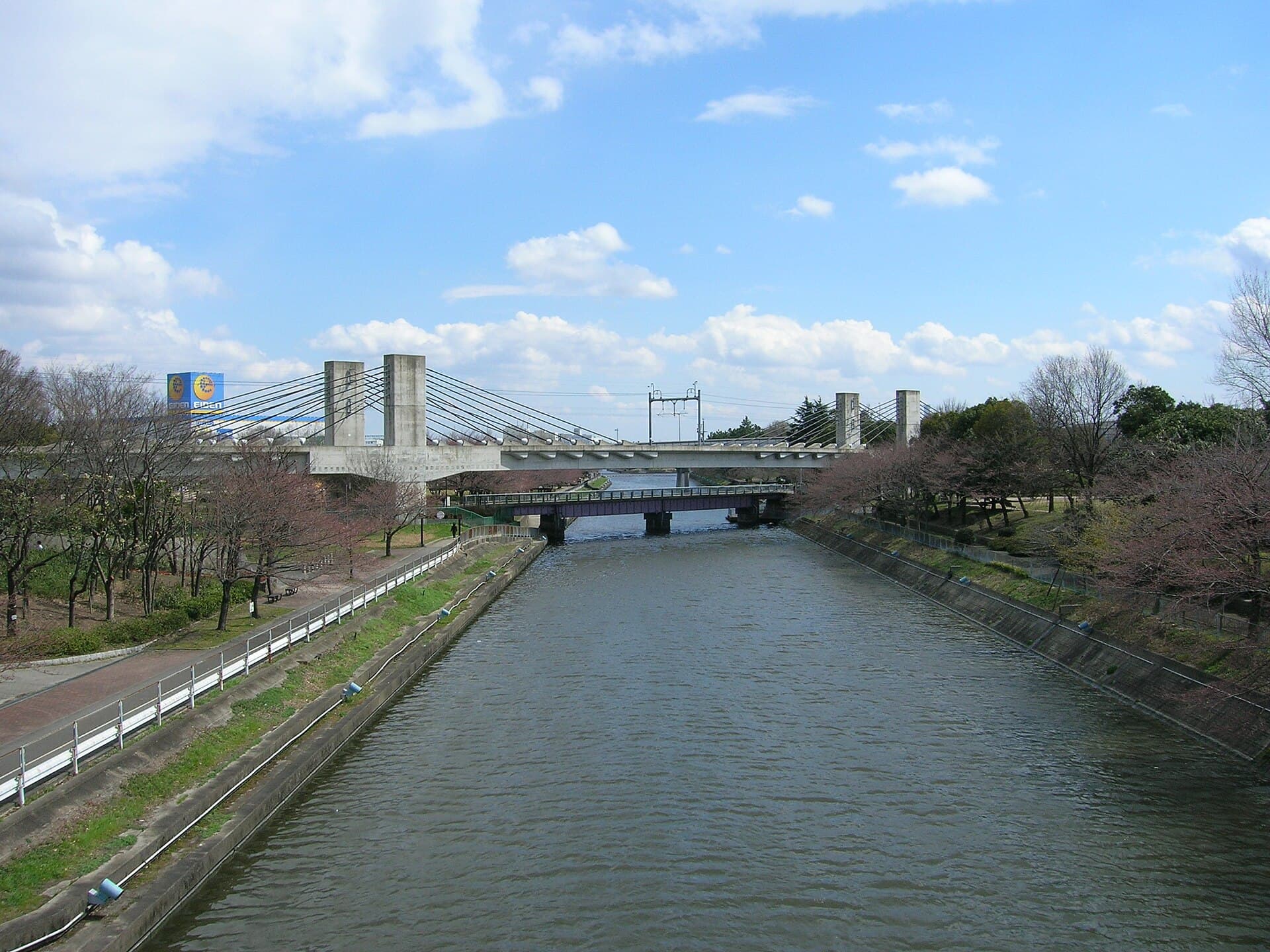
Hori River is an engineered waterway built in the early 17th century to protect Nagoya Castle and move goods. Today it forms a calm green corridor that cuts through the urban core, lined with cherry trees, willow banks, and pedestrian promenades. The river offers a peaceful contrast to the busy streets and train lines that surround it.
What to See and Do Along the Banks
Start near Nagoya Castle where the river begins its southward journey. Wide paths on both sides invite walking or cycling; the western bank is especially popular for morning joggers. In spring the sakura canopy turns the route into a pink tunnel, while autumn brings golden ginkgo leaves. Look for small stone bridges and old mooring posts that hint at the river’s former role as a commercial artery.
Many visitors combine the river with a visit to the castle grounds or the nearby Nagoya Noh Theater. Further south, the water passes close to traditional machiya neighborhoods and small Shinto shrines tucked between modern apartment blocks. Boat tours occasionally depart from fixed piers, giving a different perspective of the city skyline reflected in the water.
Practical Ways to Explore
- Walk the full 6-kilometer length from the castle to Atsuta Shrine area in about two hours at a relaxed pace.
- Rent a bicycle at stations near Sakae or Meijo Park for quicker coverage and side trips into adjacent parks.
- Stop at riverside tea houses or convenience stores for onigiri and matcha while watching locals fish or feed ducks.
How to Get There
The river is easily reached on foot from Nagoya Station via the Sakura-dori underground passage or by taking the Meijo subway line to Shiyakusho or Meijo Koen stations. Several pedestrian bridges cross the water, so you can switch banks without backtracking. Public buses also run parallel routes along both sides.
Best Time to Visit
Early April delivers peak cherry blossoms and evening illuminations. Late October to early November brings milder crowds and colorful foliage. Summer evenings feature occasional fireworks displays, while winter offers clear views of the castle keep against bare branches. The paths remain open year-round and are well lit after dark.
Nearby Attractions Worth Combining
After strolling the river, continue to Atsuta Shrine, one of Japan’s most important Shinto sites, or head east to the bustling Osu shopping district. The river also links with the larger Nagoya Port area if you want to extend your walk toward the sea.