Why Grotte di Stiffe Stands Out
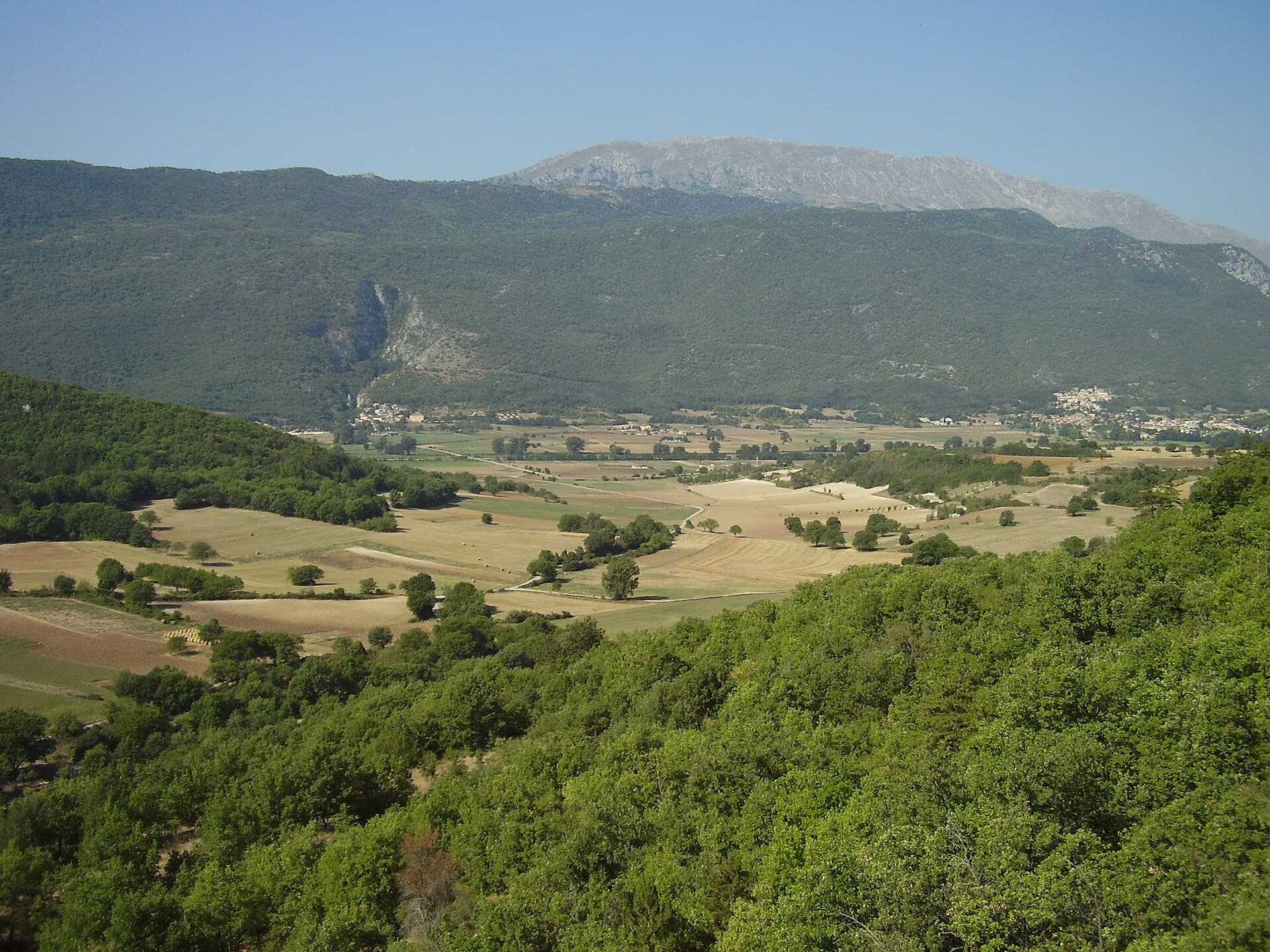
The Grotte di Stiffe showcase an active underground river that carves through limestone in the heart of Abruzzo. Unlike many dry show caves, this system features constant water flow that creates small waterfalls, pools, and echoing chambers. The river emerges from the mountain and continues its course above ground, making the visit feel connected to the surrounding landscape of the Sirente-Velino Regional Park.
What to See Inside the Caves
Visitors follow a well-lit path that parallels the river for roughly one kilometer. Highlights include the main waterfall where water drops from an upper level into a deep pool, narrow passages where the river narrows, and larger halls with stalactites and stalagmites formed over millennia. The sound of rushing water dominates the experience, and the temperature stays cool and consistent year-round.
Geological Features
The cave formed through karst processes where water dissolved the limestone over thousands of years. Look for smooth erosion marks on the walls and the layered rock that reveals different geological periods. Small side streams feed into the main river, adding to the dynamic water features visible along the route.
How to Reach Grotte di Stiffe
The caves lie about 20 kilometers southeast of L’Aquila. Most visitors arrive by car via the SS5 highway, then follow signs toward San Demetrio ne’ Vestini. Limited public transport options exist from L’Aquila’s bus station, though renting a car provides flexibility for combining the visit with other sites in the region. Parking is available near the entrance.
Best Time to Visit
Spring and early summer offer the strongest river flow after snowmelt from the nearby Gran Sasso massif, creating the most impressive waterfalls. Autumn visits provide milder temperatures and fewer crowds. Winter can bring dramatic water volumes but occasional closures due to high water levels. Avoid periods of heavy regional rainfall when the river may rise quickly.
Nearby Attractions
Combine a cave visit with exploration of the Gran Sasso e Monti della Laga National Park, where hiking trails lead to high plateaus and historic villages. The medieval castle at Rocca Calascio sits roughly an hour away and offers panoramic views. The city of L’Aquila provides urban contrast with its historic center and earthquake reconstruction sites. The nearby village of San Demetrio ne’ Vestini features local restaurants serving Abruzzo specialties such as arrosticini and pecorino cheese.