Discovering Glockenstein
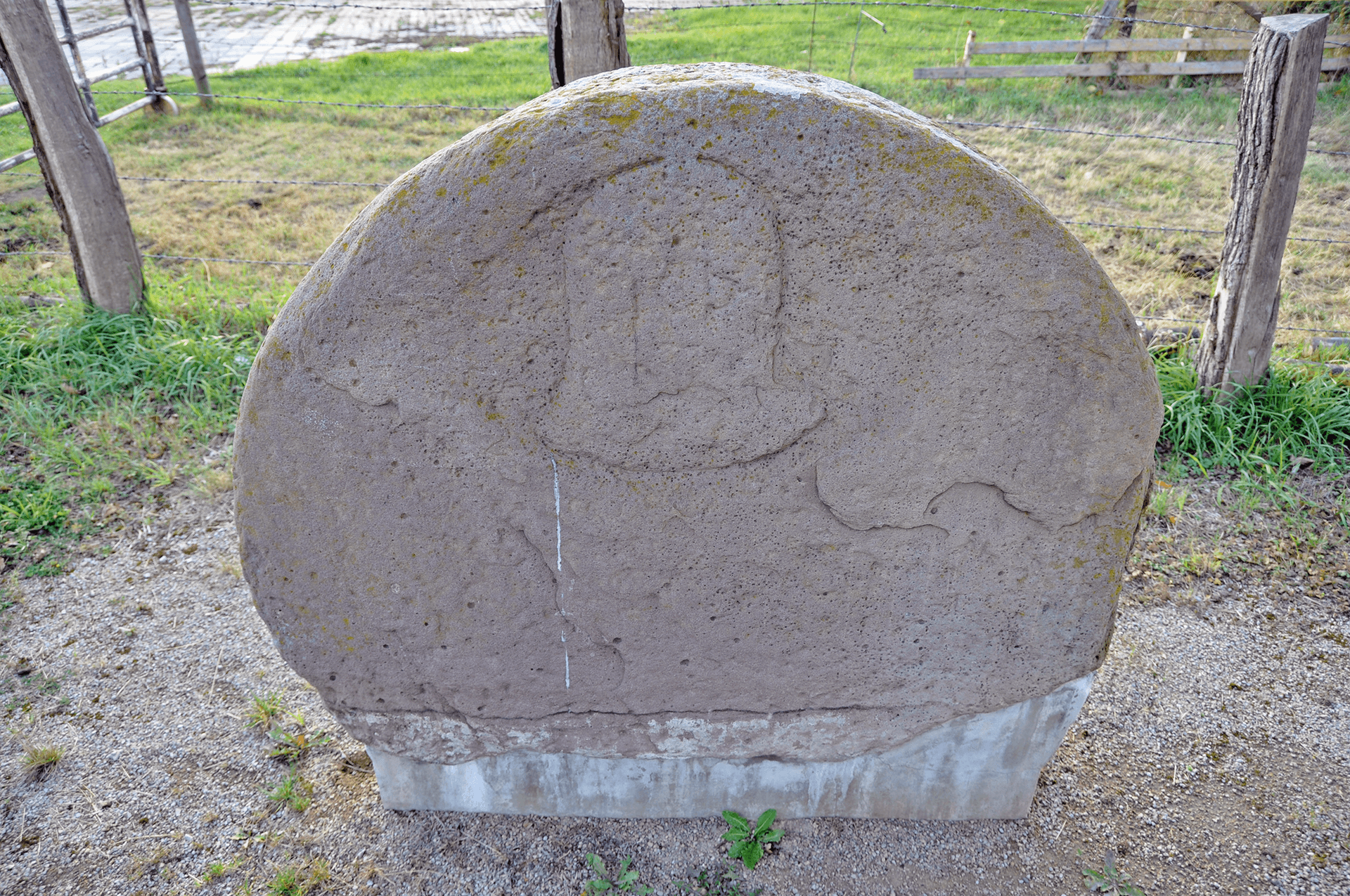
Located at the coordinates 53.1177697, 8.6913206, Glockenstein is a striking glacial erratic boulder that serves as a natural monument in Bremen. This large stone, deposited during the last Ice Age, rises prominently from the landscape and carries layers of local lore and historical significance. Visitors appreciate its raw, unpolished presence amid surrounding greenery, offering a tangible link to prehistoric times without the crowds of more famous sites.
History and Significance
The boulder gained its name and status through centuries of use as a landmark and gathering point. Local records tie it to early settlements and later memorial traditions, making it more than a geological curiosity. Its weathered surface tells the story of glacial movement across northern Germany, while inscriptions and plaques around the base highlight its role in regional identity. The monument remains protected, preserving both its natural form and cultural value for future generations.
How to Get There
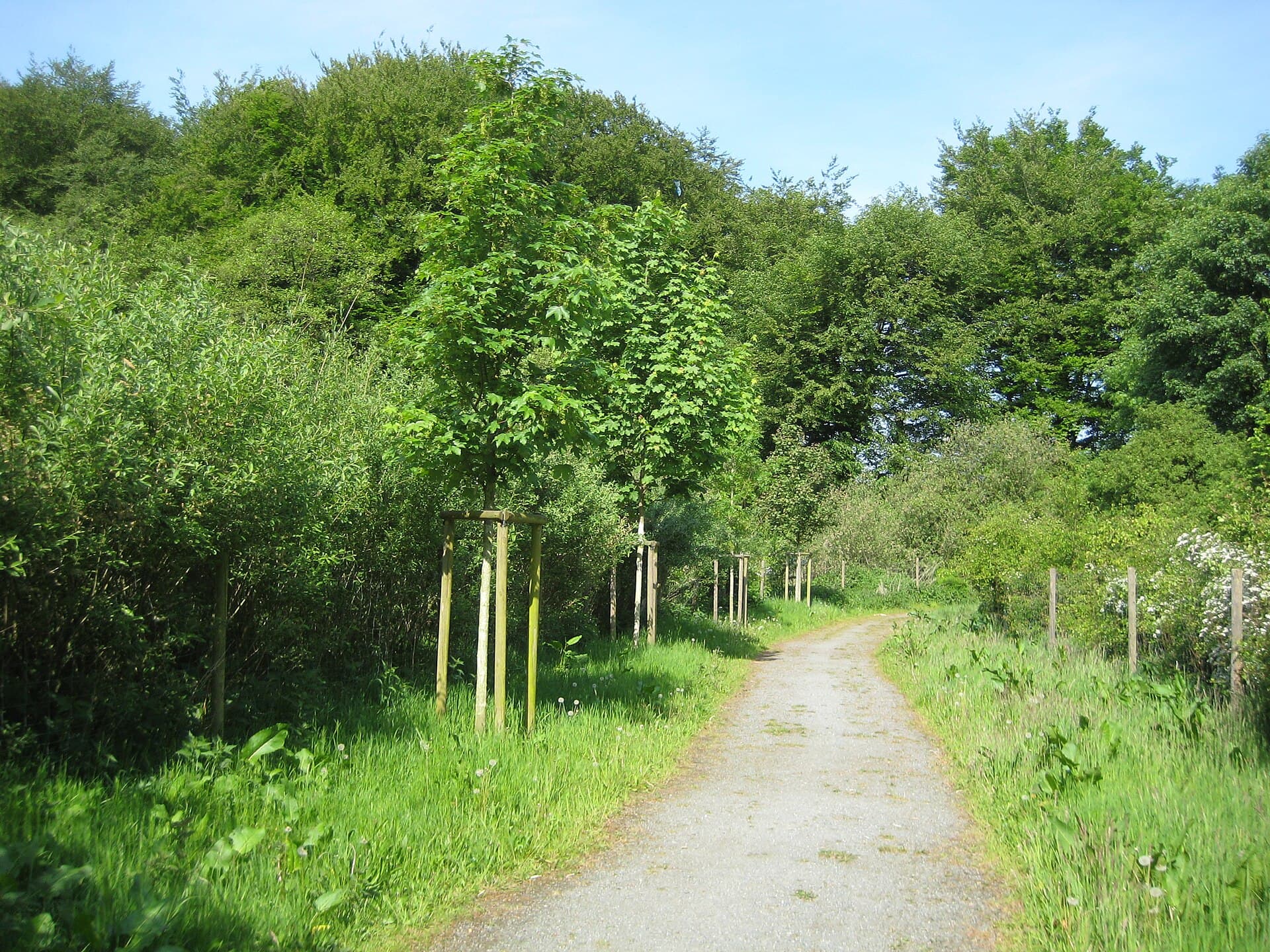
Reaching Glockenstein is straightforward by public transport or car from central Bremen. Buses and regional trains connect to nearby stops, followed by a short walk along marked paths. Cyclists enjoy dedicated routes through the surrounding parks and woodlands. Ample parking exists for drivers, though spaces fill quickly on weekends. The site integrates easily into broader explorations of Bremen’s western districts.
Best Time to Visit
Spring and early autumn deliver the most comfortable conditions, with mild temperatures and fewer insects than summer months. Winter visits reveal the stone against bare trees and possible light snow, creating dramatic photos, though paths may become slippery. Avoid peak summer heat if hiking further afield, and check local weather for outdoor comfort.
Nearby Attractions and Things to Do
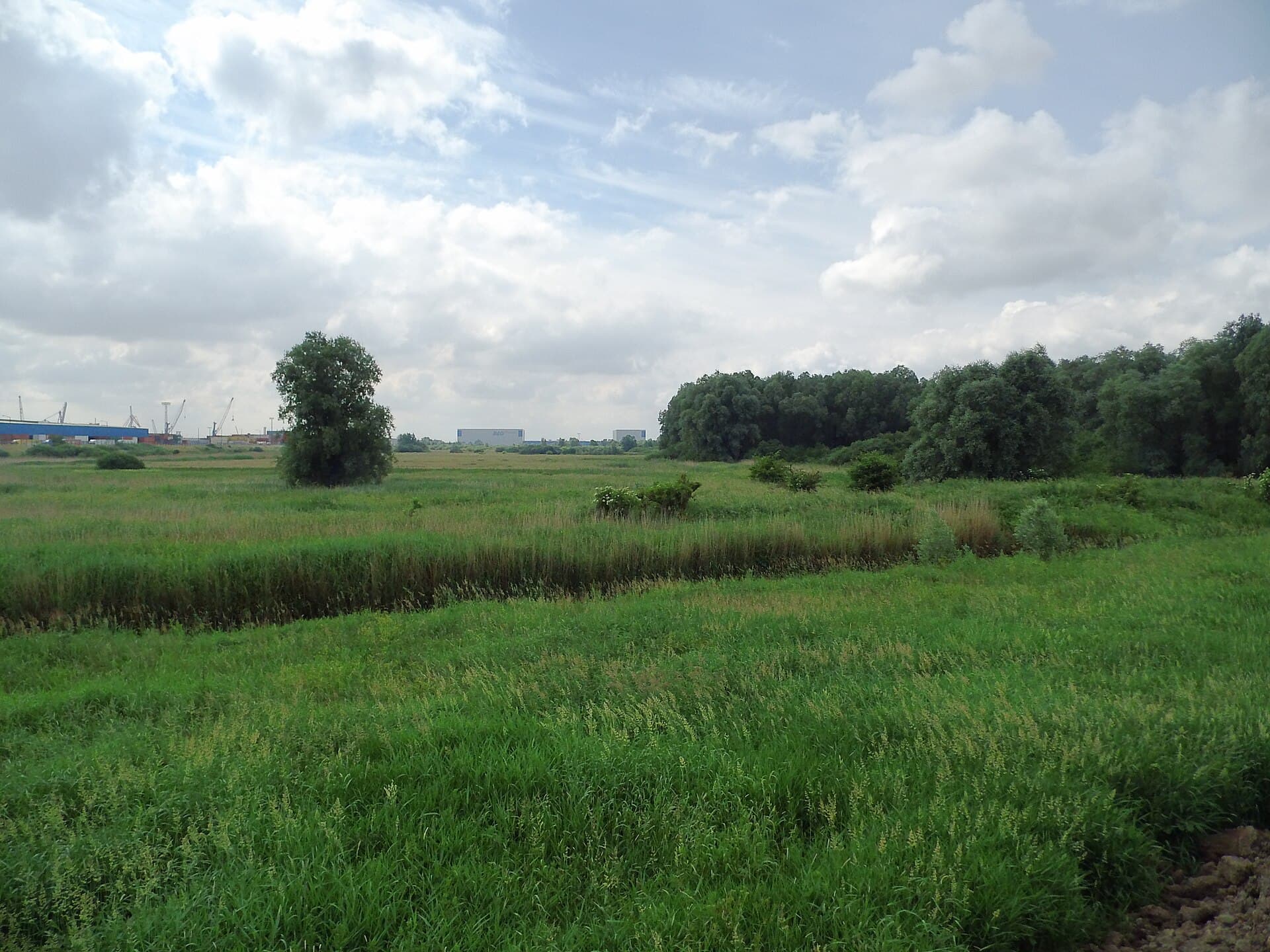
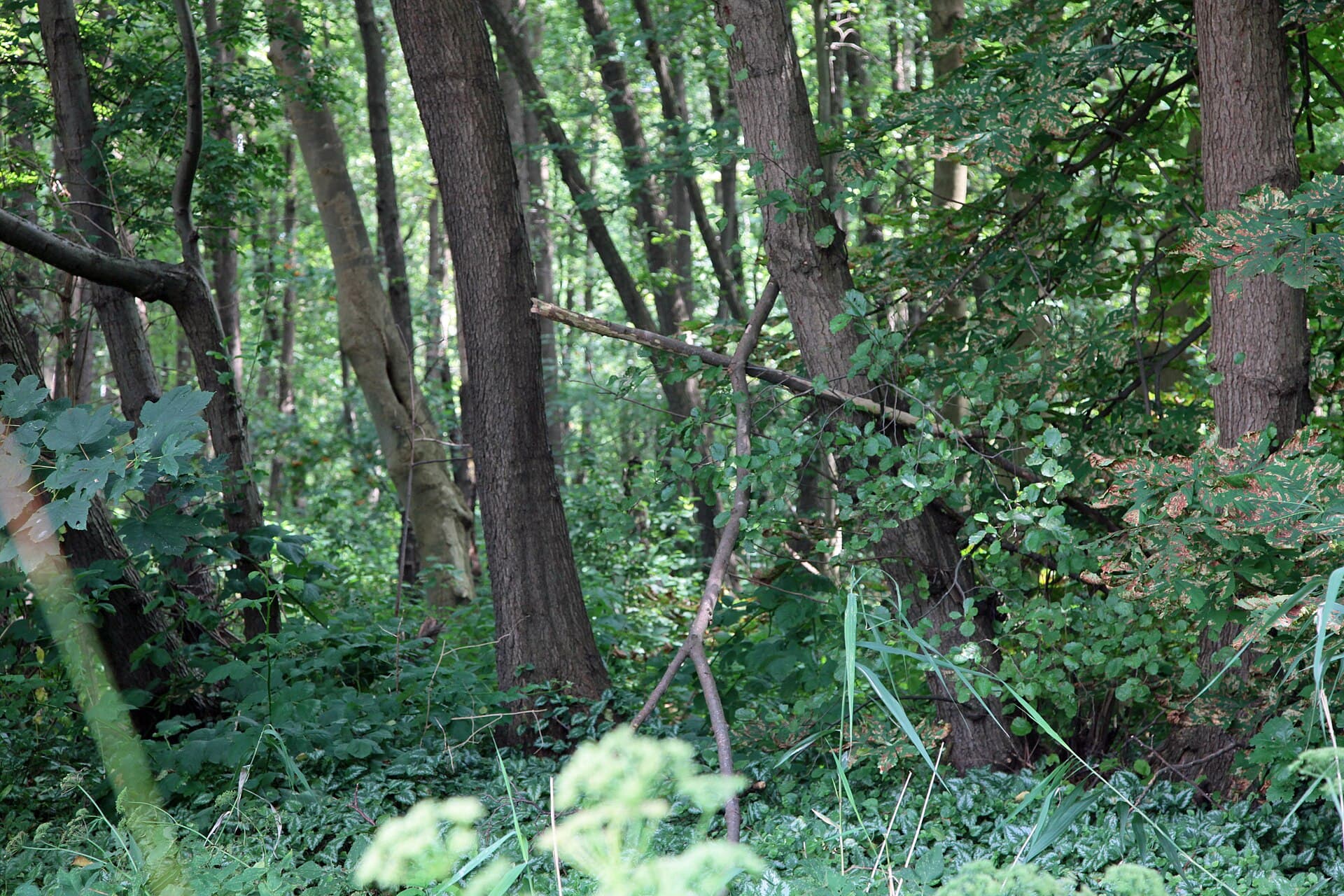
Combine your visit with walks in the adjacent nature reserves or nearby historical parks. The area features gentle trails suitable for all ages, leading to other geological features and small memorials. Photographers capture the boulder from multiple angles, while history enthusiasts explore interpretive signs detailing glacial and human stories. Families often picnic on nearby benches, and birdwatchers note seasonal species in the surrounding woods. Extend the day to nearby Bremen neighborhoods for local cuisine and additional monuments.
Practical Considerations
- Paths are mostly flat but can be uneven near the stone itself.
- No facilities sit directly at the monument, so plan supplies in advance.
- Respect the site by staying on designated routes and avoiding climbing the boulder.