Skip to content
Plan & Tour
DestinationsItinerariesTravel BlogAboutContact
0Sign inPlan a trip
Plan & TourPlan & Tour

Travel guides, destination inspiration and curated itineraries for Canada, the USA and beyond, plus a free tool to plan your own day-by-day trip.

Get travel inspiration

Explore

  • All Destinations
  • Curated Itineraries
  • Travel Blog
  • Plan a Trip

Topics

  • Hiking & Nature
  • Food & Drink
  • City Breaks
  • Budget Travel

Company

  • About Us
  • Contact
  • Privacy Policy
  • Terms of Service

© 2026 Plan & Tour. Built for travellers.

Discover the world, one trip at a time.

German Emigration Center: Tracing Europe’s Great Migration in Bremerhaven
  1. Home
  2. Destinations
  3. Bremerhaven
  4. German Emigration Center: Tracing Europe’s Great Migration in Bremerhaven
Museum

German Emigration Center: Tracing Europe’s Great Migration in Bremerhaven

Step into the stories of 7 million emigrants who departed from this historic port museum on Germany's North Sea coast.

BremerhavenUpdated 14 October 2026

Why the German Emigration Center Matters

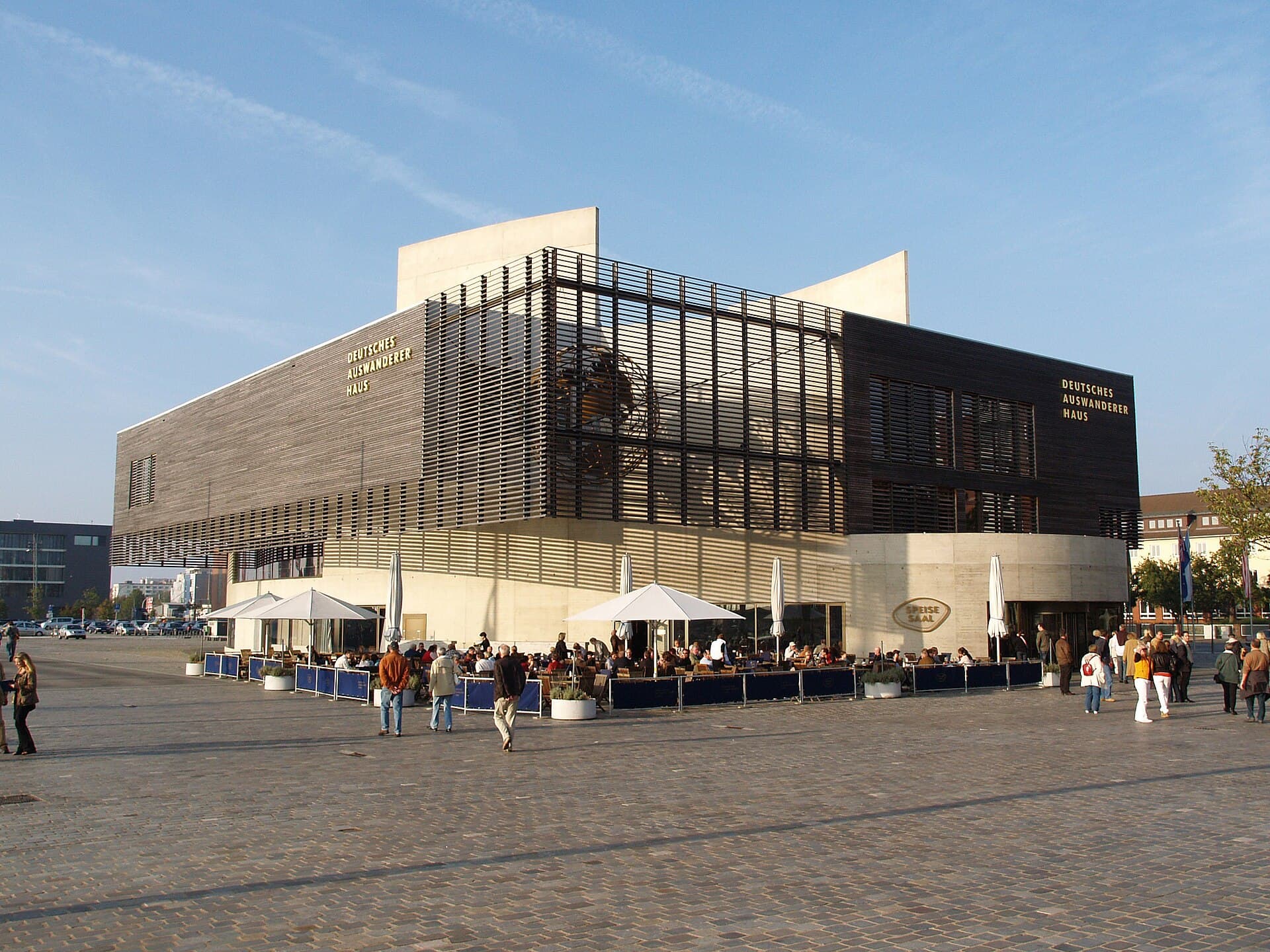
Bremerhaven served as one of Europe’s busiest emigration ports between 1830 and 1974. The German Emigration Center preserves that legacy through personal documents, reconstructed interiors, and interactive installations that follow real families from decision to departure and arrival overseas. Visitors gain a concrete sense of the scale of movement that shaped both Germany and the United States, Canada, Australia, and South America.

What to See and Do

The Emigration Journey

Begin in the departure hall where luggage tags and medical inspections recreate the bureaucratic hurdles of the era. Proceed through a full-scale ship’s steerage compartment and a recreated Ellis Island processing area. Audio stations play letters and diary excerpts in multiple languages, letting visitors follow individual biographies from village to new homeland.

Special Exhibitions and Research

Temporary galleries rotate themes such as post-war “guest worker” migration and modern refugee stories. A digital archive lets users search passenger lists; many descendants discover ancestors who sailed from Bremerhaven. The museum also houses a small harbor-side pier where visitors can board a preserved tugboat once used to tow emigrant liners.

How to Get There

Bremerhaven lies roughly 60 kilometers north of Bremen. Regional trains run hourly from Bremen Hauptbahnhof to Bremerhaven Hauptbahnhof (about 50 minutes), followed by a 15-minute walk or short bus ride to the harbor. Drivers can use the A27 motorway and park in the large waterfront garage adjacent to the museum. Ferries from Cuxhaven and seasonal cruise ships also dock within walking distance.

Best Time to Visit

Spring and early autumn offer mild weather ideal for combining the indoor museum with outdoor harbor walks. Summer brings longer days and occasional maritime festivals, while winter provides fewer crowds and the chance to experience the stark North Sea atmosphere that shaped so many departures.

Nearby Attractions

  • The German Maritime Museum, featuring historic vessels and a submarine you can board.
  • The Havenwelten shopping and dining quarter along the quay.
  • The Climate House Bremerhaven, an interactive exhibition on global climates located a short waterfront stroll away.
  • Day trips along the Weser River to the medieval port of Stade or the bird-rich Wadden Sea National Park.

Visitor tips

  • Allocate at least three hours; many visitors return for the audio biographies they missed on the first pass.
  • Download the museumu2019s free app beforehand to preload the family stories and maps for offline use inside the galleries.
  • Pair your visit with a harbor boat tour departing from the same pier; the combined ticket offers context on how the port operated during peak emigration years.

Frequently asked questions

Is the German Emigration Center suitable for children?+

Yes. Interactive ship models, passport stamps, and short films keep younger visitors engaged while the personal stories provide age-appropriate historical context.

How long does a typical visit last?+

Most guests spend two-and-a-half to four hours; allow extra time if you plan to research family names in the archive.

Are English translations available?+

All core exhibits include English audio and text panels alongside German; many personal letters are also subtitled in Spanish and Polish.

Can I trace my own ancestors at the museum?+

The on-site research terminals provide access to digitized passenger lists; staff can direct you to additional records held in Bremenu2019s state archives.

Is the site accessible for visitors with mobility needs?+

The building is fully wheelchair accessible with elevators and adapted restrooms; advance notice ensures staff assistance for boarding the historic tugboat.

Share
Google Maps Apple Maps Directions

Visitor info

+49-471-902200

Official website

Contact info via Wikidata

Image: PhilippN · CC BY-SA 3.0 · via Wikimedia Commons

Keep reading

Nearby & related

All stories
S
Bremerhaven

Schulhistorische Sammlung Bremerhaven: A Living Archive of German School Life

Explore authentic classrooms, teaching tools, and local educational history preserved in this specialized Bremerhaven…

15 October 2026
V
Bremerhaven

Volkskundliches Freilichtmuseum Speckenbüttel: Timeless Rural Life in Bremerhaven

Explore relocated historic farmsteads, traditional crafts, and everyday village scenes at this open-air museum…

15 October 2026
M
Bremerhaven

Museum der 50er Jahre in Bremerhaven: Reliving Post-War Germany

Explore authentic 1950s artifacts, design, and daily life at this specialized museum in northern Germany.

15 October 2026