Discovering Franziskanerkloster Bremen
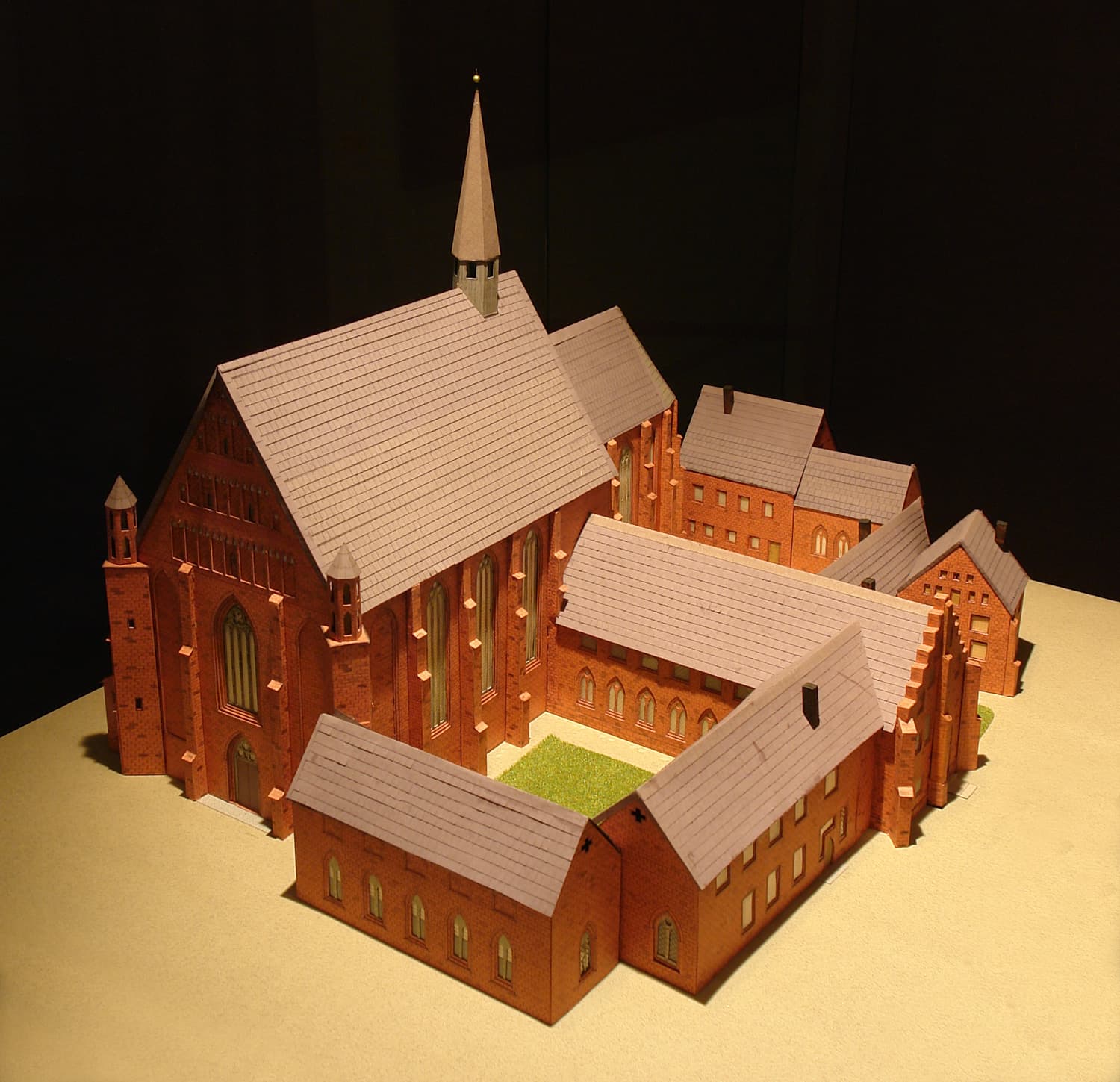
Franziskanerkloster Bremen stands as a quiet witness to the city’s medieval past, founded in the early 13th century by Franciscan friars who established one of northern Germany’s earliest mendicant communities. Today, visitors encounter a blend of preserved ruins, integrated historic structures, and green spaces that offer a reflective counterpoint to Bremen’s bustling old town. The site’s enduring appeal lies in its authentic medieval fabric, including cloister remnants and church foundations that reveal the simple, functional design typical of Franciscan orders.
What to See and Do
Begin your visit at the surviving cloister walls and chapter house, where original brickwork and vaulted ceilings showcase Hanseatic Gothic elements adapted for monastic life. Walk the grounds to appreciate the layout of the former refectory and dormitory areas, now framed by gardens that highlight seasonal plantings reminiscent of medieval herb cultivation. Interpretive panels provide context without overwhelming the site, allowing quiet contemplation. Photography enthusiasts find compelling angles among the weathered stones against modern urban backdrops.
Exploring the Church Remains
The nave foundations and choir area invite close inspection of construction techniques from the 1250s onward. Seasonal light shifts dramatically alter the atmosphere, making repeat visits rewarding across different times of day.
How to Get There
The monastery lies within easy walking distance of Bremen’s main railway station and the historic Schnoor quarter. Public trams and buses stop nearby, while cyclists can use dedicated paths along the Weser River. From the central Marktplatz, a 10-minute stroll through pedestrian zones leads directly to the entrance.
Best Time to Visit
Late spring through early autumn provides the most comfortable conditions for outdoor exploration, with longer daylight and blooming gardens. Winter visits offer a stark, atmospheric experience of the stone ruins against bare trees, though some pathways may require extra care after rain. Avoid peak summer weekends if seeking solitude, as the site’s central location draws steady foot traffic.
Nearby Attractions
Combine your visit with the UNESCO-listed Bremen Cathedral and the lively Marktplatz, both a short walk away. The picturesque Schnoor district’s half-timbered houses and artisan shops provide an ideal follow-up, while the Weser promenade offers scenic riverside paths leading toward the Übersee-Museum for broader cultural context.