
Keep reading
Nearby & related
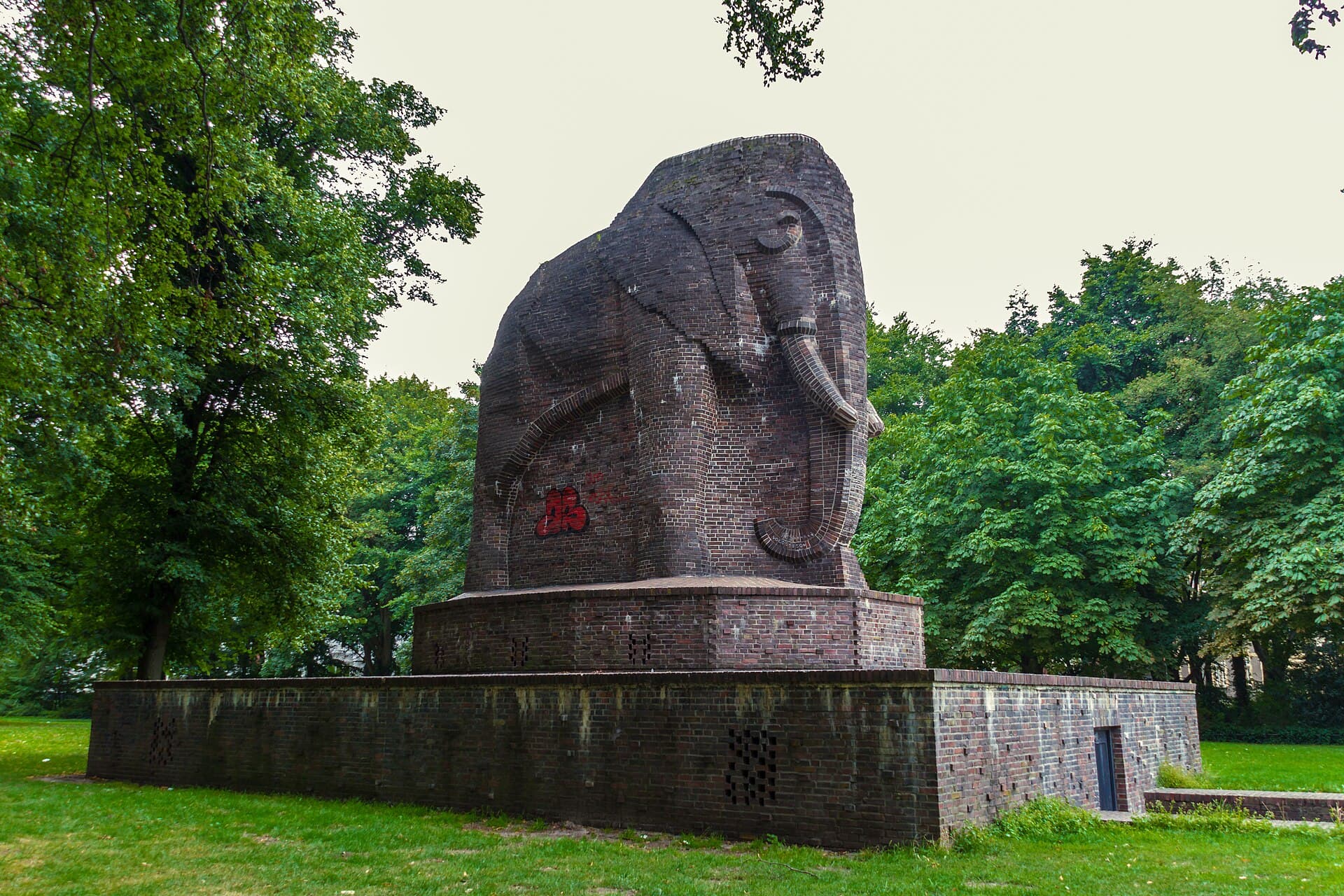
Antikolonialdenkmal: Bremen’s Quiet Tribute to Anti-Colonial Resistance
A reflective monument in Schwachhausen honoring resistance against German colonialism and its lasting historical…
14 October 2026
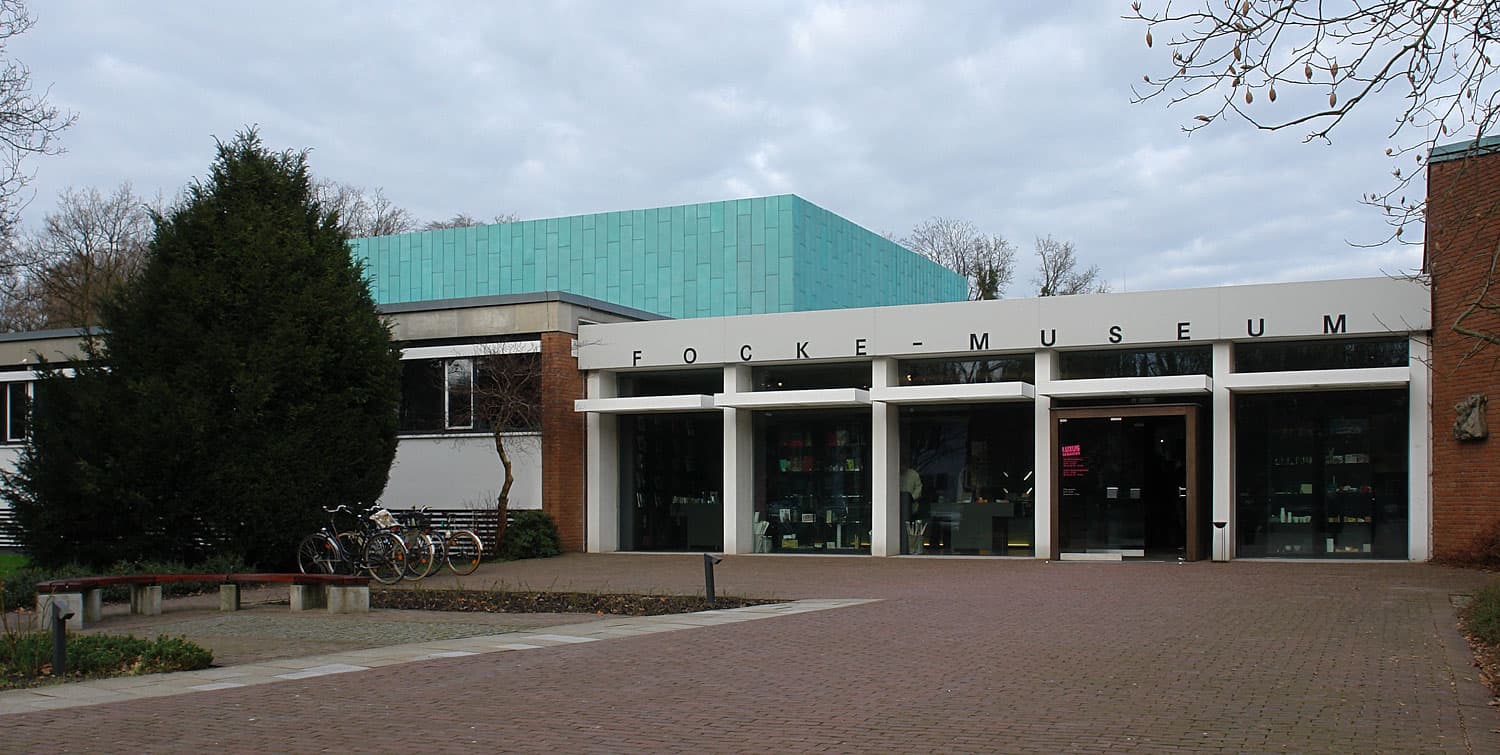
Discover the Focke Museum's deep dive into Bremen's maritime past, local art, and everyday heritage amid leafy gardens.
The Focke Museum serves as Bremen’s primary institution for local history, preserving artifacts that trace the city’s development from medieval trading post to modern port. Housed in a historic villa with modern extensions and set within landscaped grounds in the quiet Schwachhausen district, it offers visitors an intimate look at regional identity rather than broad European narratives.
Exhibits focus on Bremen’s shipbuilding and overseas trade, with detailed models of Hanseatic vessels and reconstructed merchant interiors. Archaeological finds from the city’s earliest settlements sit alongside everyday objects such as guild silver and 19th-century household items that illustrate daily life across centuries. A dedicated section highlights artists connected to the region, including works by Paula Modersohn-Becker and other Worpswede painters.
The museum’s grounds feature period gardens and scattered historic structures, including a timber-framed house relocated from central Bremen. These spaces allow visitors to experience how the city once appeared before extensive postwar rebuilding.
Schwachhausen lies a short ride from Bremen Hauptbahnhof via tram; the museum stop sits directly outside the entrance. The surrounding residential streets reward a short walk before or after your visit. Spring and early autumn bring mild weather ideal for exploring the gardens, while the indoor galleries remain comfortable year-round. Winter visits suit those focused solely on the collections, as outdoor features are less accessible.
After your visit, stroll through Schwachhausen’s leafy avenues or continue to the nearby Bürgerpark for expansive green space. The Weser River waterfront and the historic Schnoor quarter in the city center are reachable within twenty minutes by public transport, allowing a full day that pairs the museum’s local focus with Bremen’s broader architectural heritage.
Most visitors spend two to three hours exploring the main galleries and gardens, though those with a strong interest in maritime history or local art may easily stay longer.
Yes, the museum offers hands-on elements and clear storytelling in many displays that appeal to families, especially the ship models and reconstructed rooms.
The museum is well served by Bremenu2019s tram network; lines stop right at the entrance, making it easy to visit from the main station or city center without driving.
It concentrates exclusively on Bremenu2019s own story, from Hanseatic trade to 20th-century daily life, rather than national or international art collections.
Schwachhausen offers several neighborhood cafu00e9s and bakeries within a short walk; the city centeru2019s wider dining options are a quick tram ride away.
Keep reading
A reflective monument in Schwachhausen honoring resistance against German colonialism and its lasting historical…