
Keep reading
Nearby & related
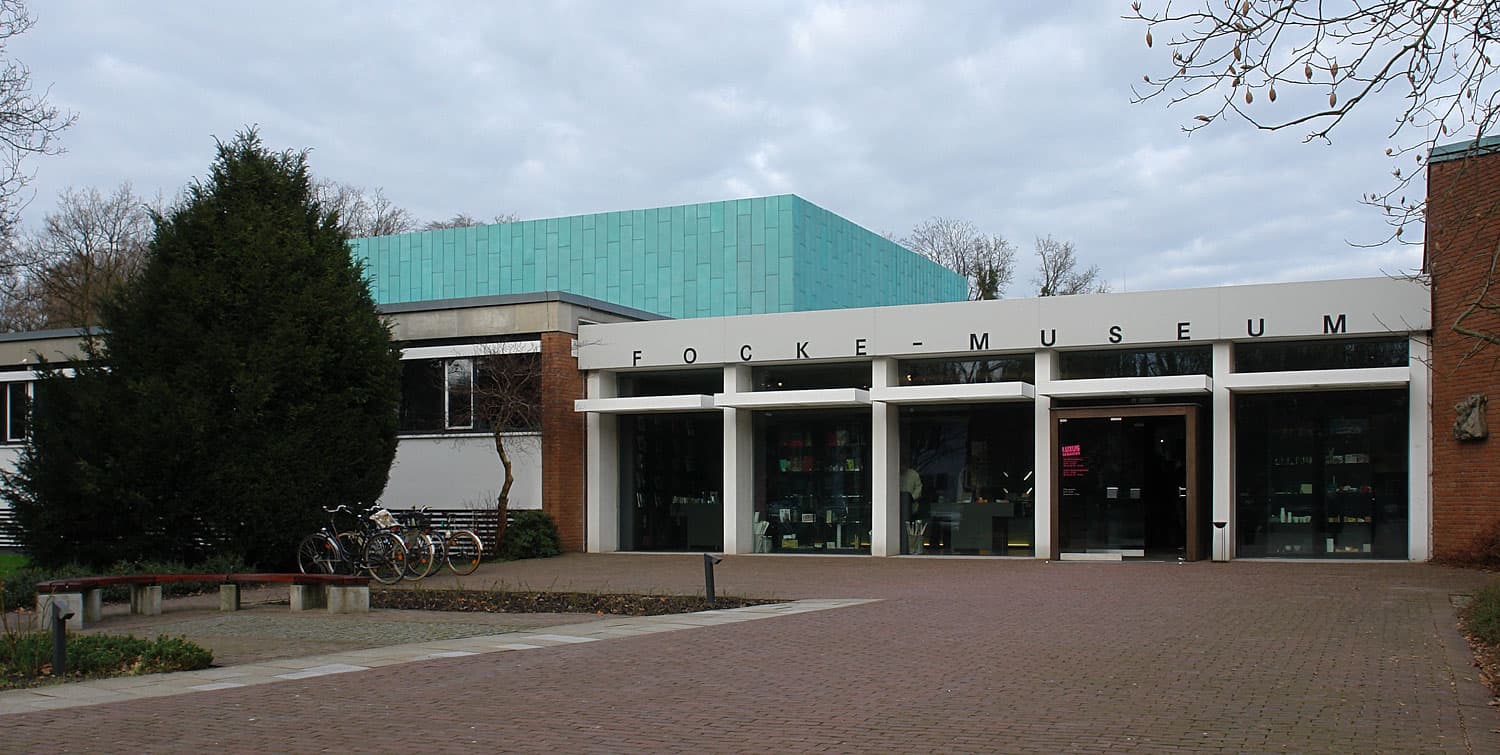
Focke Museum: Bremen’s History Museum in Schwachhausen
Discover the Focke Museum’s deep dive into Bremen’s maritime past, local art, and everyday heritage amid leafy gardens.
14 October 2026
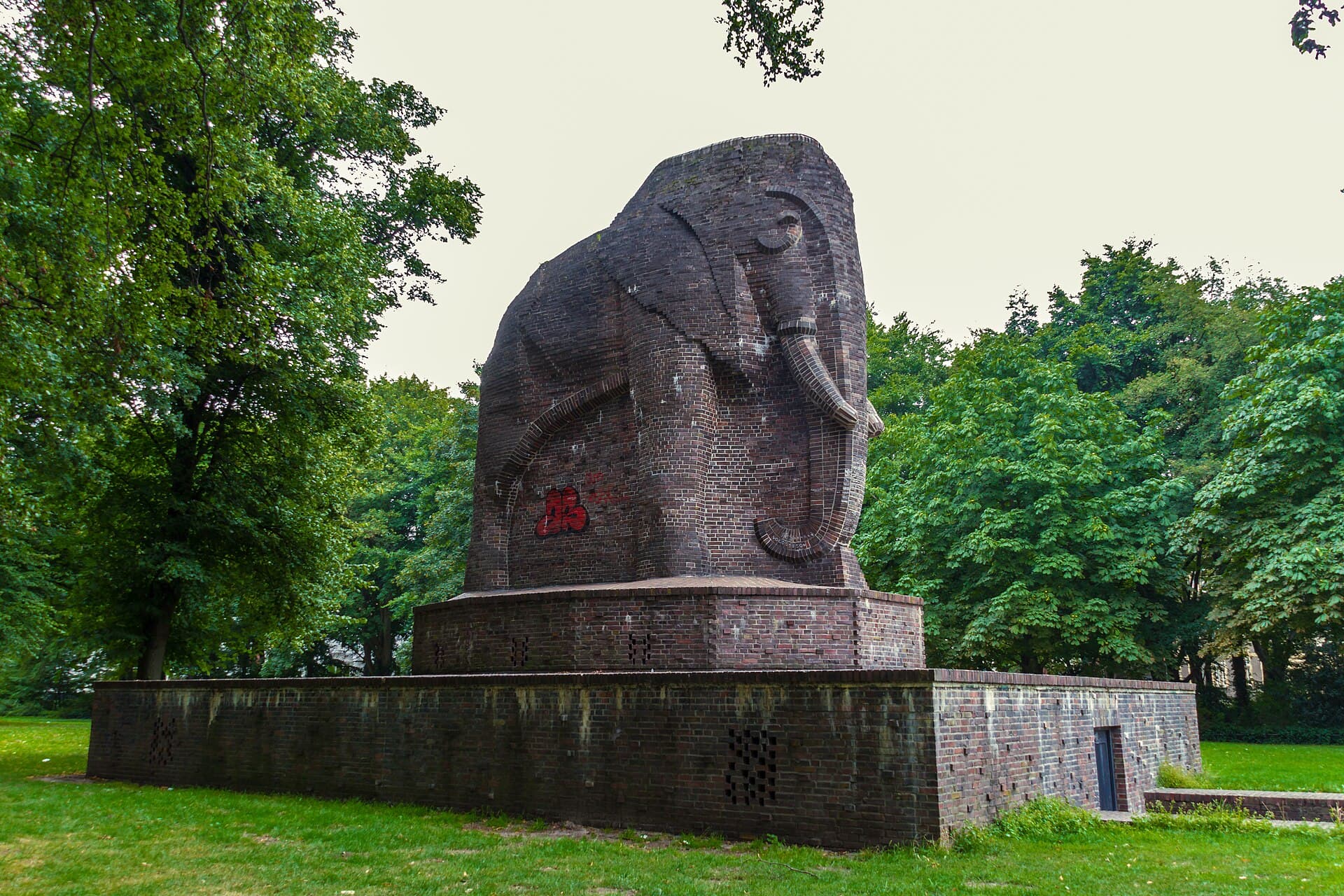
A reflective monument in Schwachhausen honoring resistance against German colonialism and its lasting historical context.
The Antikolonialdenkmal stands as a distinctive memorial in Bremen’s Schwachhausen district, originally erected in the early 1930s and later reinterpreted to commemorate African resistance to German colonial rule in Togo and Cameroon. Its inscriptions and design elements highlight the human cost of colonial expansion rather than glorifying it, making the site an important stop for visitors interested in Germany’s complex 20th-century reckoning with its colonial past.
Approach the monument along tree-lined paths where the stone obelisk rises from a modest plinth surrounded by low hedges. The engraved text on the base names specific leaders of anti-colonial uprisings and invites quiet contemplation. Photographers often capture the contrast between the solemn stone and the surrounding greenery. Allow 20–30 minutes to read the inscriptions, walk the immediate grounds, and consider the monument’s layered messages.
Reach the site easily by public transport. From Bremen Hauptbahnhof, take tram line 6 or 8 toward the university direction and alight at the “Schwachhausen” or “Hochschule” stop; the monument lies a short five-minute walk through residential streets into a small park area. Cyclists can follow the city’s well-marked bike paths along the Kleine Wümme canal. Drivers will find limited street parking nearby but should note that the area is primarily residential.
Spring through early autumn offers the most comfortable conditions for lingering outdoors, with blooming trees and longer daylight. Winter visits remain worthwhile for those seeking solitude, though paths may be damp; the monument itself is always accessible. Early mornings or late afternoons provide softer light and fewer local dog-walkers.
Combine the visit with a stroll through the adjacent Bürgerpark, one of Bremen’s largest green spaces, or continue to the nearby Rhododendron-Park for seasonal floral displays. The University of Bremen campus, a short walk north, hosts changing public art exhibitions. For a deeper dive into regional history, the Focke Museum lies within easy reach by tram, offering context on Bremen’s trading past.
It honors leaders and communities who resisted German colonial forces in West Africa during the late 19th and early 20th centuries, shifting the original monumentu2019s focus from colonial glorification to anti-colonial memory.
Yes, the site is open and low-key; parents can use the visit to introduce age-appropriate discussions about history while enjoying the park setting.
Occasional public history walks organized by Bremen cultural institutions pass the monument; check the cityu2019s tourism calendar for dates rather than expecting regular scheduled tours.
The outdoor monument is accessible at all times; winter visits are common for locals seeking a quiet reflective space despite cooler temperatures.
Personal photography is permitted and encouraged to document the inscriptions and setting, though commercial shoots require prior permission from city authorities.
Keep reading
Discover the Focke Museum’s deep dive into Bremen’s maritime past, local art, and everyday heritage amid leafy gardens.