The Essence of Essighaus
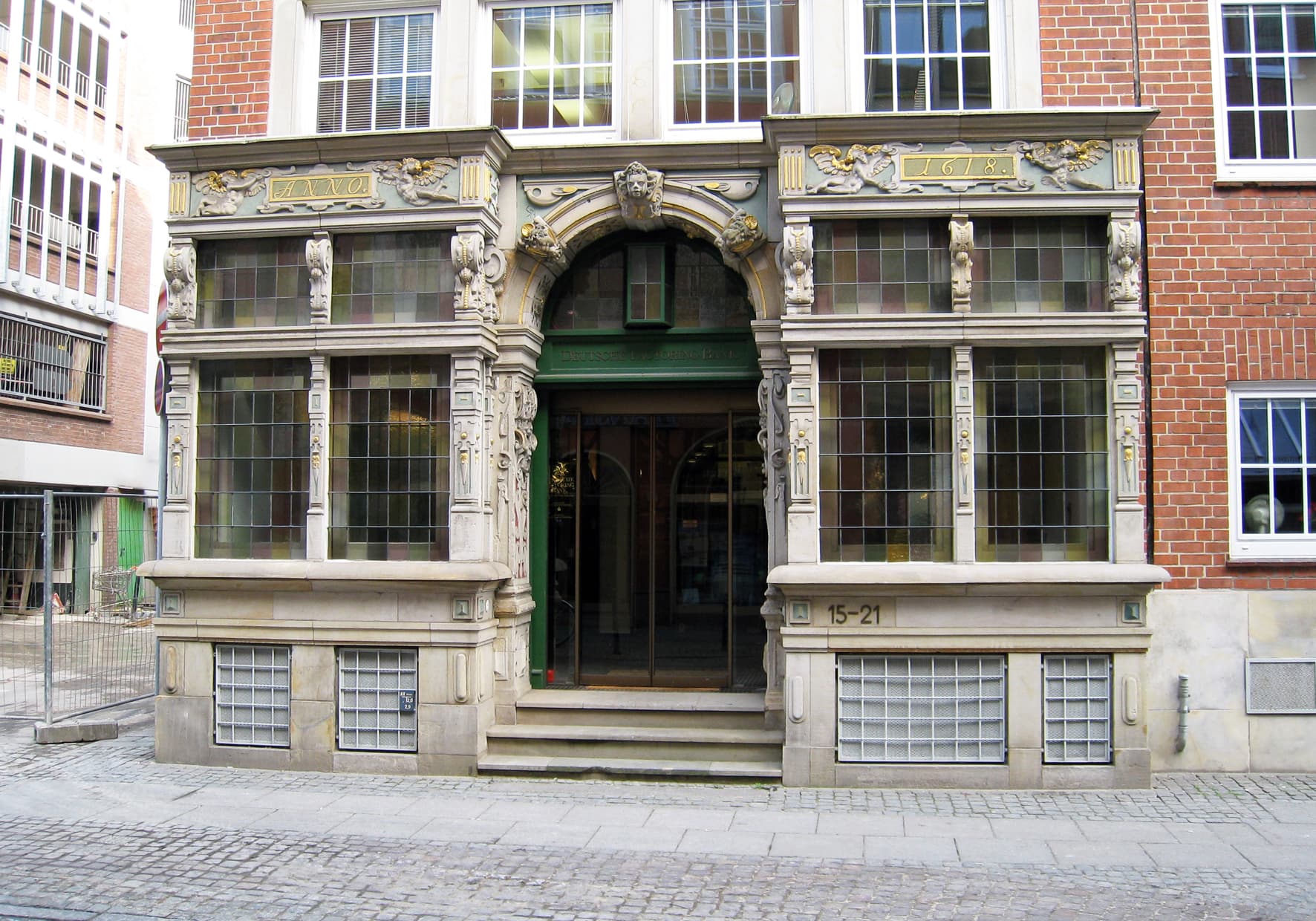
Essighaus stands as a refined example of early 17th-century merchant architecture in central Bremen. Built during the height of the city’s Hanseatic prosperity, the building’s ornate gable and detailed stonework reflect the wealth and cultural ambitions of local traders. Its location places visitors directly in the historic core, where the rhythms of medieval commerce still shape the street layout.
Architectural Highlights Worth Noting
The stepped gable and sculptural reliefs on the facade reward close observation. Carved figures and decorative bands tell of maritime trade and civic pride. Although the interior has been adapted over centuries, the exterior remains one of the clearest surviving statements of Bremen’s Renaissance style. Photographers often position themselves across the narrow street to capture the full height of the gable against the sky.
Practical Information for Visitors
How to Arrive
Essighaus sits within easy walking distance of Bremen Hauptbahnhof. From the station, follow the tram lines toward the Marktplatz or continue on foot through the pedestrianised old town. Cyclists can use the extensive network of bike paths that converge on the city centre. Those arriving by car will find multi-storey parking a short distance away, after which the final approach is best made on foot.
Best Time to Visit
Spring and early autumn offer comfortable temperatures and fewer crowds than peak summer. The low winter sun illuminates the facade details dramatically in the late afternoon. Markets and festivals occasionally animate the surrounding squares, adding atmosphere without altering the building itself.
Exploring the Immediate Neighbourhood
Just steps away lies the UNESCO-listed Marktplatz with its town hall and Roland statue. The Schnoor quarter’s winding lanes provide a contrasting medieval atmosphere a few minutes’ walk east. Museums dedicated to Bremen’s shipping heritage and modern art collections sit within a compact radius, allowing a full day of cultural exploration without repeated travel.
- Combine a visit with the weekly market for fresh regional produce and local colour.
- Allow time to examine the neighbouring gabled houses that together form one of northern Germany’s most coherent historic ensembles.
- Rest in nearby cafés that occupy other restored merchant properties, extending the sense of stepping back into the trading era.