
Keep reading
Nearby & related
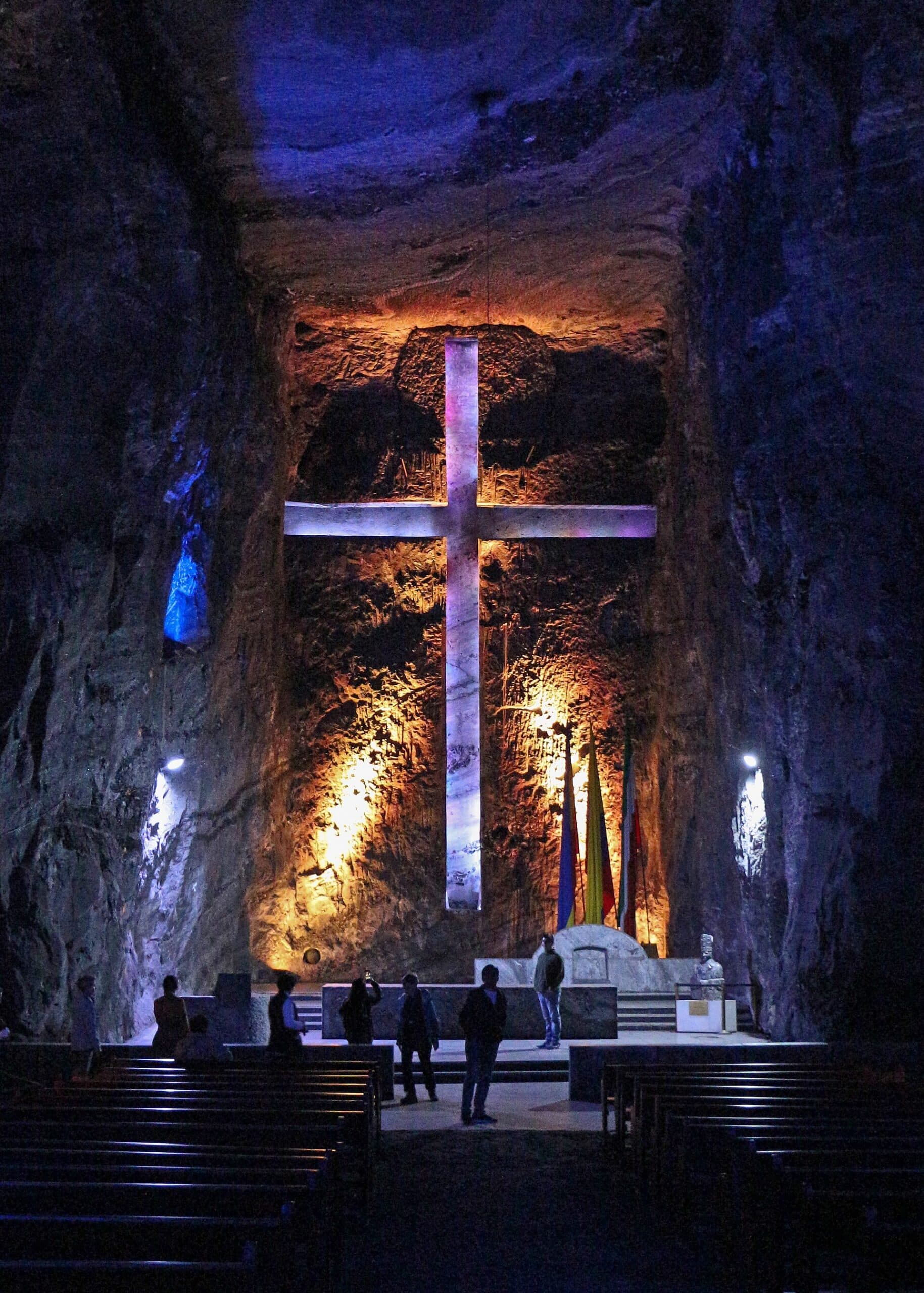
The Salt Cathedral of Zipaquirá: Colombia’s Underground Salt Masterpiece
Carved deep inside an Andean salt mine, this vast cathedral offers a rare blend of geology, faith, and engineering.
26 November 2026
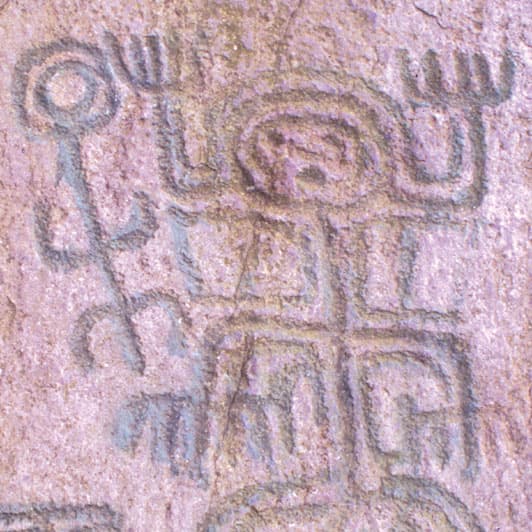
Explore the rock shelters of El Abra, one of Colombia’s most important pre-Columbian sites, for a direct connection to the region’s first human settlers.
El Abra stands out as a key preceramic archaeological site in the Bogotá savanna, preserving evidence of human presence dating back more than 12,000 years. Located on the eastern flank of the El Abra formation near Zipaquirá, the site features a series of natural rock shelters that sheltered early hunter-gatherers. Excavations have uncovered stone tools, flakes, and hearths that reveal how these groups adapted to the highland environment long before agriculture or pottery arrived.
Visitors walk a short trail to the main shelters where interpretive panels explain the stratigraphy and artifact finds. The surrounding dry forest and limestone outcrops offer a quiet setting for observing the same landscape that sustained early inhabitants. Photographers appreciate the contrast between the weathered rock faces and the distant views of the Sabana de Bogotá. Birdwatchers may spot Andean species while exploring the immediate vicinity.
The terrain is uneven with loose stones, so sturdy footwear is essential. Allow one to two hours for a self-guided visit, including time to read the panels and examine the shelters. No facilities exist at the site itself, so plan accordingly before arrival.
Reach El Abra by traveling first to Zipaquirá, then taking a local bus or taxi toward the vereda of El Abra. The final stretch involves a short walk along an unpaved path. Travelers from Bogotá can combine the visit with the famous Salt Cathedral by departing early from the northern bus terminal.
The driest months, December through March and July to August, provide the most comfortable conditions for walking the trails. Afternoon rains are common during the rest of the year, making the rocky paths slippery. Early morning visits avoid both crowds and heat.
These destinations create an easy day-trip circuit focused on Colombia’s geological and cultural past.
The site lies roughly 50 km north of Bogotu00e1; the journey takes about 1.5 hours by bus to Zipaquiru00e1 followed by a short local transfer.
A guide is not required. Clear interpretive panels allow independent exploration, though local guides in Zipaquiru00e1 can provide additional context on request.
The short trail and open terrain make it manageable for older children, but the uneven ground requires close supervision for younger visitors.
Bring sturdy shoes, water, a hat, and insect repellent. A light jacket is useful as temperatures can drop in the savanna afternoons.
Yes. Most visitors pair it with the Salt Cathedral of Zipaquiru00e1 and sometimes the Nemocu00f3n salt mine for a complete archaeological and geological day trip.
Keep reading
Carved deep inside an Andean salt mine, this vast cathedral offers a rare blend of geology, faith, and engineering.