Keep reading
Nearby & related
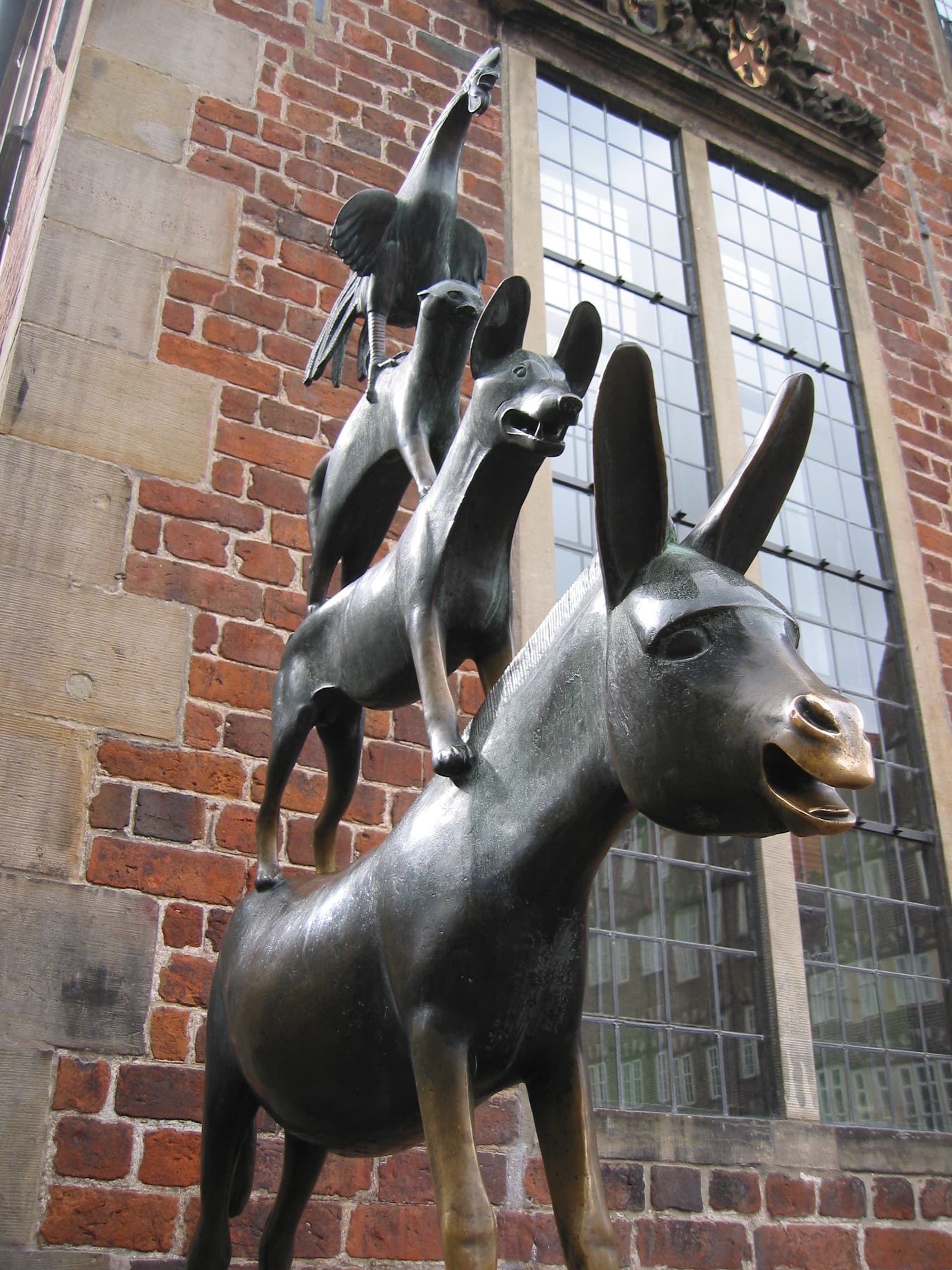
Die Bremer Stadtmusikanten: Bremen’s Iconic Town Musicians Monument
The bronze statue of the Bremen Town Musicians stands as a symbol of the city’s fairy-tale heritage and offers visitors…
15 October 2026
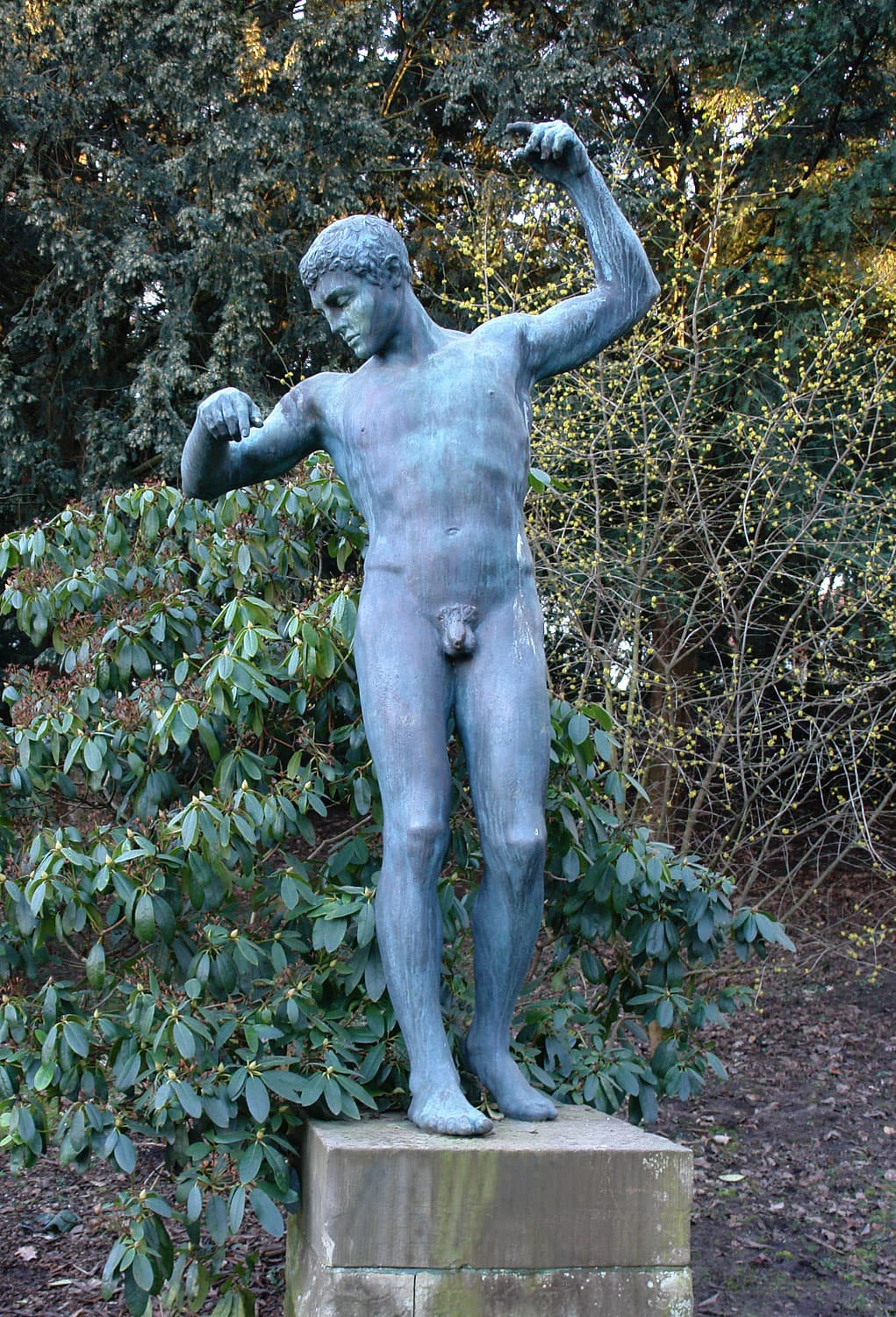
Visit this expressive bronze sculpture in central Bremen to experience quiet reflection amid historic parkland.
The Dying Teenager monument, known locally as Sterbender Jüngling, is a bronze sculpture created by artist Fritz Behn and installed in the Wallanlagen green belt of Bremen’s Mitte district. It depicts a young figure in a moment of vulnerability, serving as a timeless meditation on youth, loss, and resilience rather than a literal memorial. The work stands out for its expressive lines and emotional depth, inviting visitors to pause in an otherwise lively urban park setting.
Approaching the sculpture, you encounter it along winding paths surrounded by mature trees and open lawns. The monument rewards slow observation: walk around its base to appreciate shifting perspectives, note the contrast between the figure’s stillness and the surrounding movement of cyclists and strollers. Benches nearby make it easy to sit quietly for a few minutes. Photography is straightforward in natural light, though the piece is most striking when dappled sunlight filters through the canopy.
The monument lies within easy reach of Bremen’s main railway station on foot or by tram lines that circle the old town walls. From the station, follow signs toward the Wallanlagen park system; the sculpture sits in a quieter section away from the busiest playgrounds. Cyclists can use the extensive network of dedicated paths that connect Mitte to the Weser River. Those arriving by car will find limited street parking along adjacent residential roads, with better options in nearby multi-story garages serving the city center.
Spring and early autumn offer the most comfortable conditions for lingering outdoors, with blooming trees or colorful foliage enhancing the setting. Summer brings longer evenings but also more foot traffic from locals enjoying the park. Winter visits are possible but can feel stark due to bare branches. After seeing the sculpture, continue along the Wallanlagen path to reach the Bremen Cathedral and the UNESCO-listed Town Hall square within fifteen minutes. The nearby Übersee-Museum provides an indoor contrast with its ethnographic collections, while the Schlachte promenade along the river offers riverside cafés and markets.
The area is fully accessible on paved paths, though some side trails are gravel. Families often combine the visit with a picnic on the lawns. The monument integrates naturally into a longer walk that traces the historic fortifications, giving context to Bremen’s layered past without requiring entry fees or timed tickets.
Keep reading
The bronze statue of the Bremen Town Musicians stands as a symbol of the city’s fairy-tale heritage and offers visitors…
The sculpture captures a moment of youthful vulnerability and serves as a general reflection on loss and resilience rather than commemorating a single individual or event.
Yes, the park setting is family-friendly and the sculpture can spark thoughtful conversations about emotion and art without graphic content.
Most visitors spend 15 to 30 minutes with the sculpture itself, though it works well as part of a one- to two-hour park walk.
Public facilities and small kiosks are available within the larger Wallanlagen park area, a short walk from the monument.
The outdoor sculpture is accessible at all times, though winter visits are colder and the mood shifts with leafless trees.
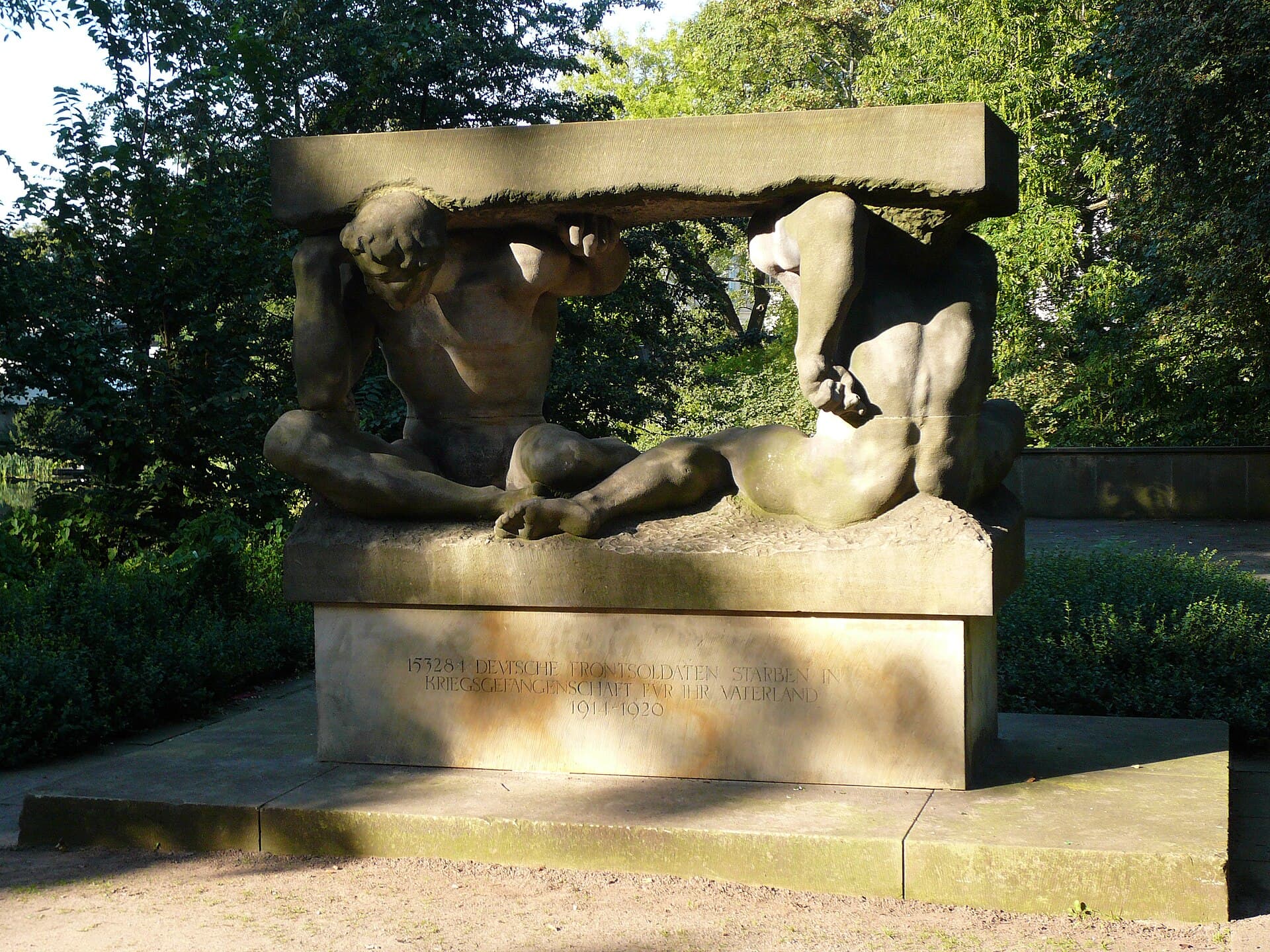
This understated monument in Mitte honors prisoners of war and offers quiet reflection amid Bremen’s historic core.
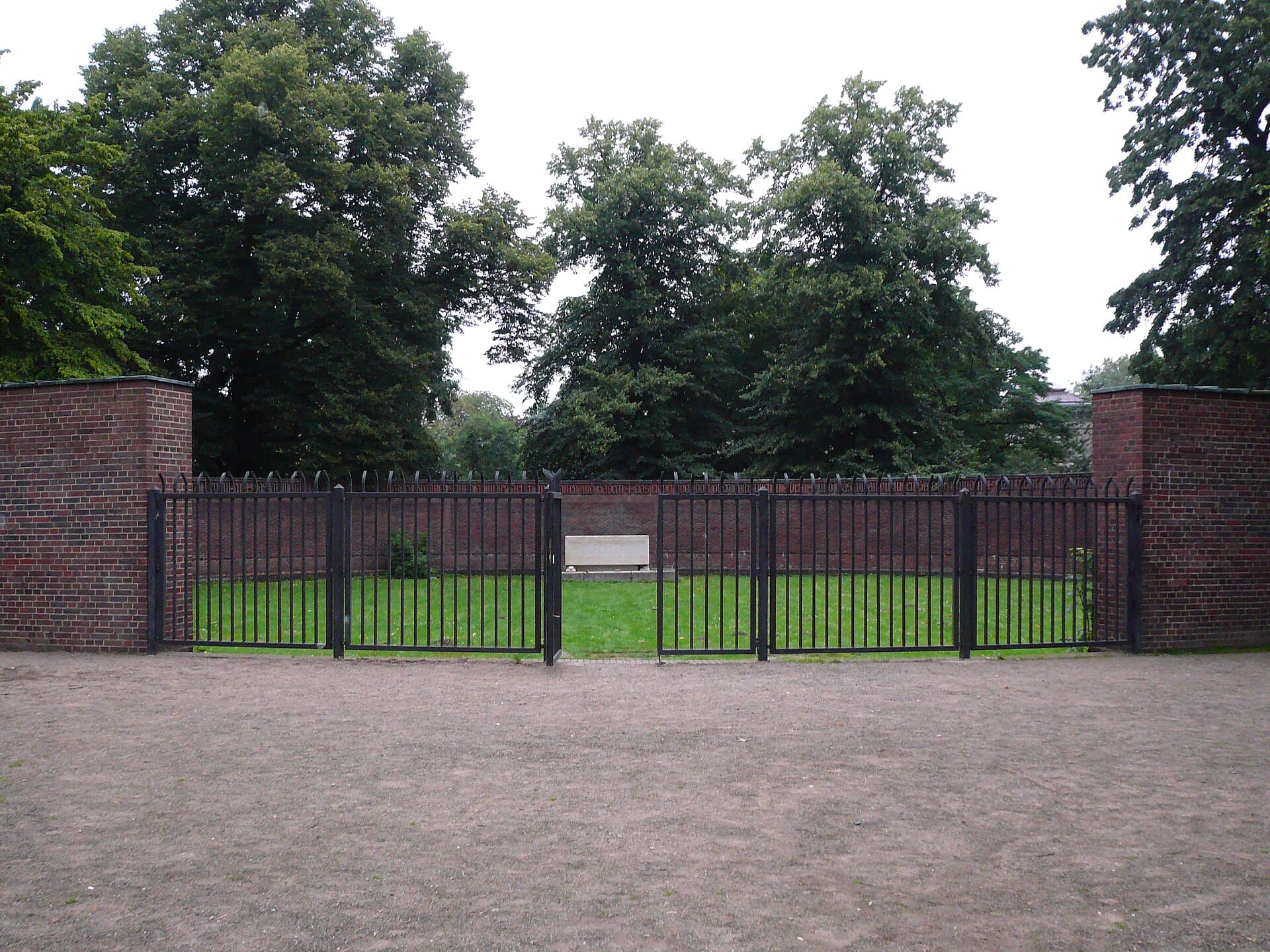
This granite memorial in central Bremen stands as a quiet tribute to the city’s World War I dead amid the historic Mitte…