History and Significance
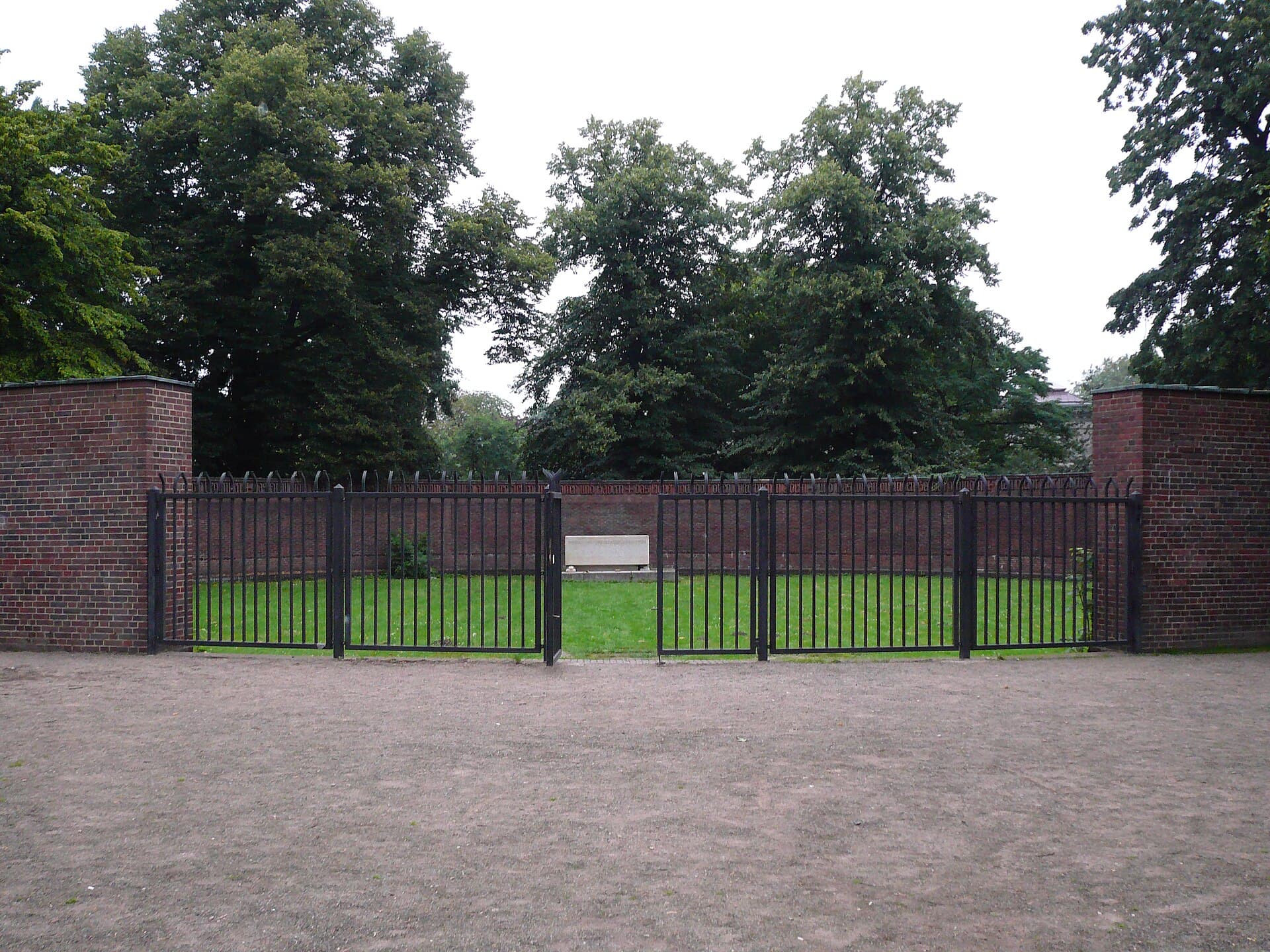
The World War I Memorial in Bremen’s Mitte district commemorates the thousands of local soldiers who perished between 1914 and 1918. Erected in the interwar period, the monument features a tall central pillar surrounded by inscribed panels listing names and regiments. Its location in a small green square allows visitors to pause amid daily city life and reflect on the scale of loss felt by one German port city.
What to See and Do
Approach the memorial from the surrounding paths to view the carved eagles and oak leaves that symbolize strength and mourning. The inscriptions on the base panels are arranged by year of death, offering a chronological record that rewards slow reading. Many visitors combine the site with a short walk through the adjacent residential streets, where early 20th-century architecture still stands largely unchanged.
Getting There
Tram lines 1, 2, and 3 stop within a five-minute walk at the Hauptbahnhof or Wilhelm-Kaisen-Brücke stations. From the main railway station, follow the pedestrian route south along the Bürgerpark edge until the memorial square appears on the right. Cyclists can lock bikes at nearby stands; the flat terrain makes the ride straightforward even for visitors unfamiliar with the city.
Best Time to Visit
Early morning or late afternoon provides the calmest atmosphere and softer light for photographs. Spring and autumn bring fewer crowds than summer, while winter visits highlight the monument’s stark lines against bare trees. The site remains accessible year-round, though fallen leaves or light snow can enhance the contemplative mood.
Nearby Attractions
Just north lies the Bremen Cathedral and the UNESCO-listed market square with its famous Town Musicians statue. A ten-minute stroll east reaches the Übersee-Museum, whose colonial-era collections offer context on Bremen’s maritime history during the same period the memorial remembers. The Bürgerpark offers shaded paths for a longer walk after visiting the monument.