Why Dunn Peak Massif Stands Out
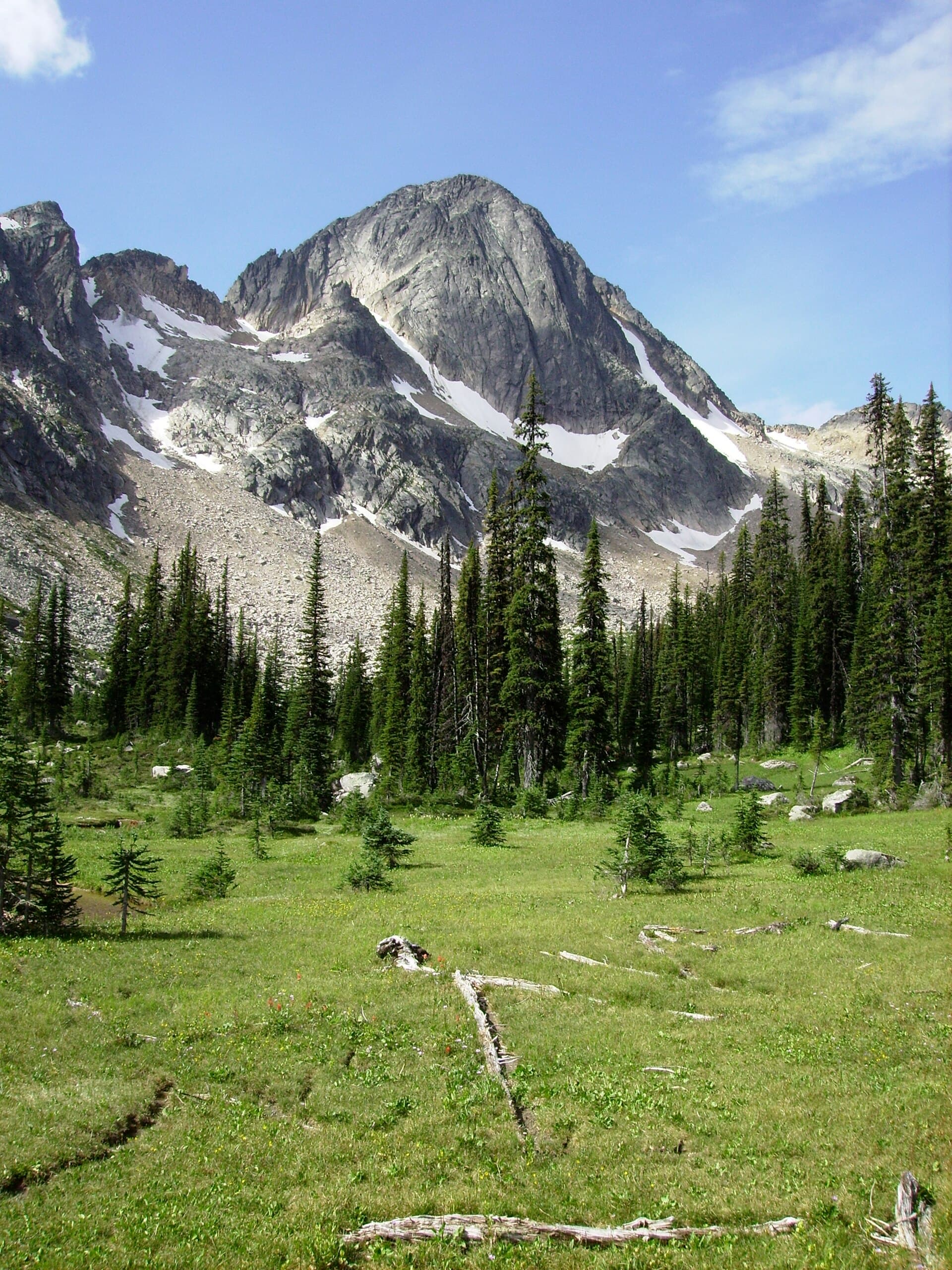
Dunn Peak rises as the highest summit in the Shuswap Highlands, offering hikers a true wilderness experience far from crowds. Its broad massif features multiple sub-peaks, expansive alpine meadows, and unobstructed panoramas across the Cariboo Mountains and distant Monashees. The area supports healthy populations of grizzly bears, mountain goats, and ptarmigan, rewarding patient visitors with wildlife sightings amid dramatic rock and snow scenery.
Reaching the Trailhead
Access begins from forestry roads south of Clearwater, British Columbia. Travelers follow well-maintained logging routes that transition into rougher 4×4 tracks; high-clearance vehicles are strongly recommended. The final approach crosses several creek fords that become impassable after heavy rain, so checking seasonal road conditions before departure is essential. No public transit serves the area, making private transport or guided shuttles the practical options.
Best Time to Visit
July through early September provides the most reliable window for snow-free hiking and stable weather. Early season offers lingering snow patches that can simplify route-finding on gentler slopes, while late summer brings ripe huckleberries and clearer skies. Shoulder months of June and October bring higher avalanche risk and shorter days, suiting only experienced winter travelers equipped for variable conditions.
Recommended Routes and Activities
- The standard ascent follows a faint climber’s trail through subalpine forest before emerging onto open ridges; allow eight to ten hours round-trip for fit hikers.
- Side trips along the massif crest reveal additional unnamed summits and quiet tarns ideal for photography and quiet contemplation.
- Overnight backpackers can establish camps in sheltered basins below the main ridge, extending the visit to explore adjacent peaks and wildlife corridors.
What Lies Nearby
After descending, visitors often continue to Wells Gray Provincial Park for its waterfalls and volcanic landscapes, or head west to the Adams River for salmon-viewing in autumn. The small community of Clearwater supplies fuel, groceries, and last-minute gear, while the Yellowhead Highway provides convenient east-west connections for multi-day itineraries across central British Columbia.