
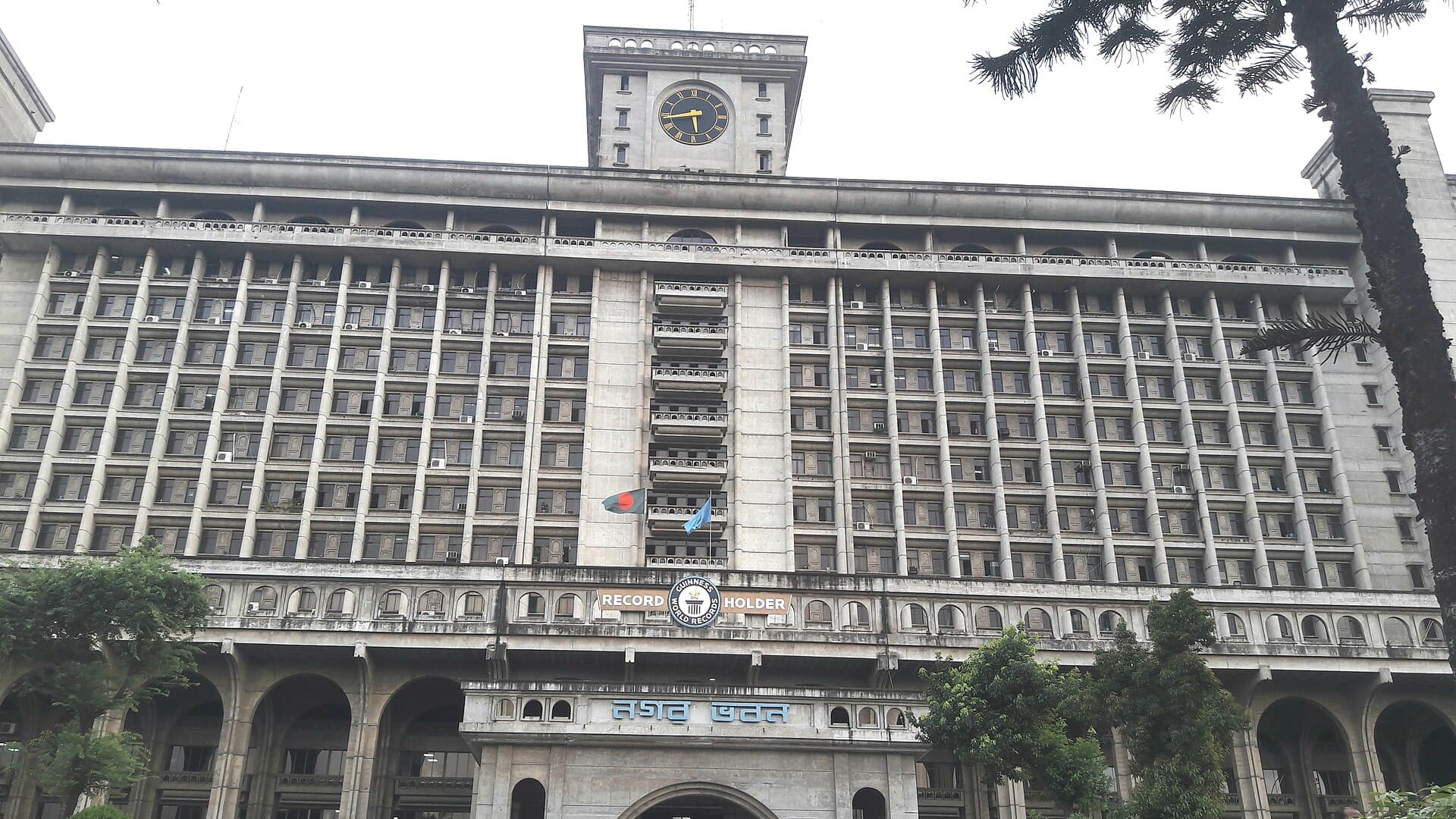
Dhaka Nagar Jadughar: Exploring Dhaka’s Urban Heritage
Discover the layered history and cultural identity of Bangladesh’s capital through this focused city museum.
Why Dhaka Nagar Jadughar Matters
Located in the heart of Dhaka South City Corporation, Dhaka Nagar Jadughar preserves the story of one of South Asia’s oldest continuously inhabited cities. The museum concentrates exclusively on Dhaka’s urban evolution, from its Mughal foundations through colonial growth to its modern identity as a megacity. Visitors gain a clear sense of how the city’s markets, mosques, rivers, and neighborhoods shaped daily life across centuries.
What to See and Do
The permanent galleries display maps, photographs, architectural models, and everyday objects that trace Dhaka’s development. Highlights include detailed recreations of old Dhaka’s narrow lanes, examples of traditional Nakshi kantha textiles, and exhibits on the city’s river-based trade networks. Temporary displays often focus on specific neighborhoods or festivals, offering fresh perspectives even for repeat visitors. Interactive panels explain how the Buriganga River influenced settlement patterns and how colonial planning altered the urban grid.
Practical Layout
Exhibits are arranged chronologically on two floors, making it easy to follow the city’s timeline in a single visit. Allow two to three hours to read the bilingual labels and examine the scale models. The museum also maintains a small reference library open to the public for deeper research on Dhaka’s history.
How to Get There
The museum sits within easy reach of central Dhaka’s major transport hubs. Rickshaws and ride-hailing apps connect directly from Sadarghat launch terminal or the historic Lalbagh Fort area. Most visitors combine a trip here with a walk through nearby heritage streets, where 18th- and 19th-century buildings remain in daily use.
Best Time to Visit
November through February offers the most comfortable temperatures and lower humidity, ideal for walking between the museum and surrounding historic sites. Weekday mornings are quieter, allowing unhurried viewing of the displays. Avoid major religious holidays when local families visit in larger numbers.
Nearby Attractions
- Lalbagh Fort and its gardens lie a short walk away, providing context for the Mughal period covered in the museum.
- The Ahsan Manzil palace museum illustrates the lifestyle of Dhaka’s 19th-century elite.
- Sadarghat riverfront offers a living view of the city’s continued dependence on the Buriganga.
These sites together create a compact heritage circuit that deepens understanding of Dhaka’s continuous urban story.
Visitor tips
- Wear comfortable shoes; the surrounding old Dhaka streets are uneven and best explored on foot before or after your museum visit.
- Carry cash for small purchases at nearby tea stalls and street vendors, as card acceptance remains limited in this historic quarter.
- Download an offline map of old Dhaka beforehand; mobile data can be unreliable inside the dense urban fabric around the museum.
Frequently asked questions
Is Dhaka Nagar Jadughar suitable for children?
Yes. The scale models and visual displays engage younger visitors, though the museum lacks dedicated childrenu2019s programming.
How long does a typical visit take?
Most people spend two to three hours viewing the permanent galleries and any current temporary exhibitions.
Are guided tours available?
Occasional curator-led tours occur on weekends; inquire at the entrance desk upon arrival for the dayu2019s schedule.
Can I take photographs inside the museum?
Photography is permitted in most galleries without flash; certain temporary exhibits may restrict images.
Is the museum accessible for visitors with mobility needs?
The ground floor is step-free, but the upper gallery requires stairs; staff can provide assistance when available.