Why Corona Forestal Natural Park Stands Out
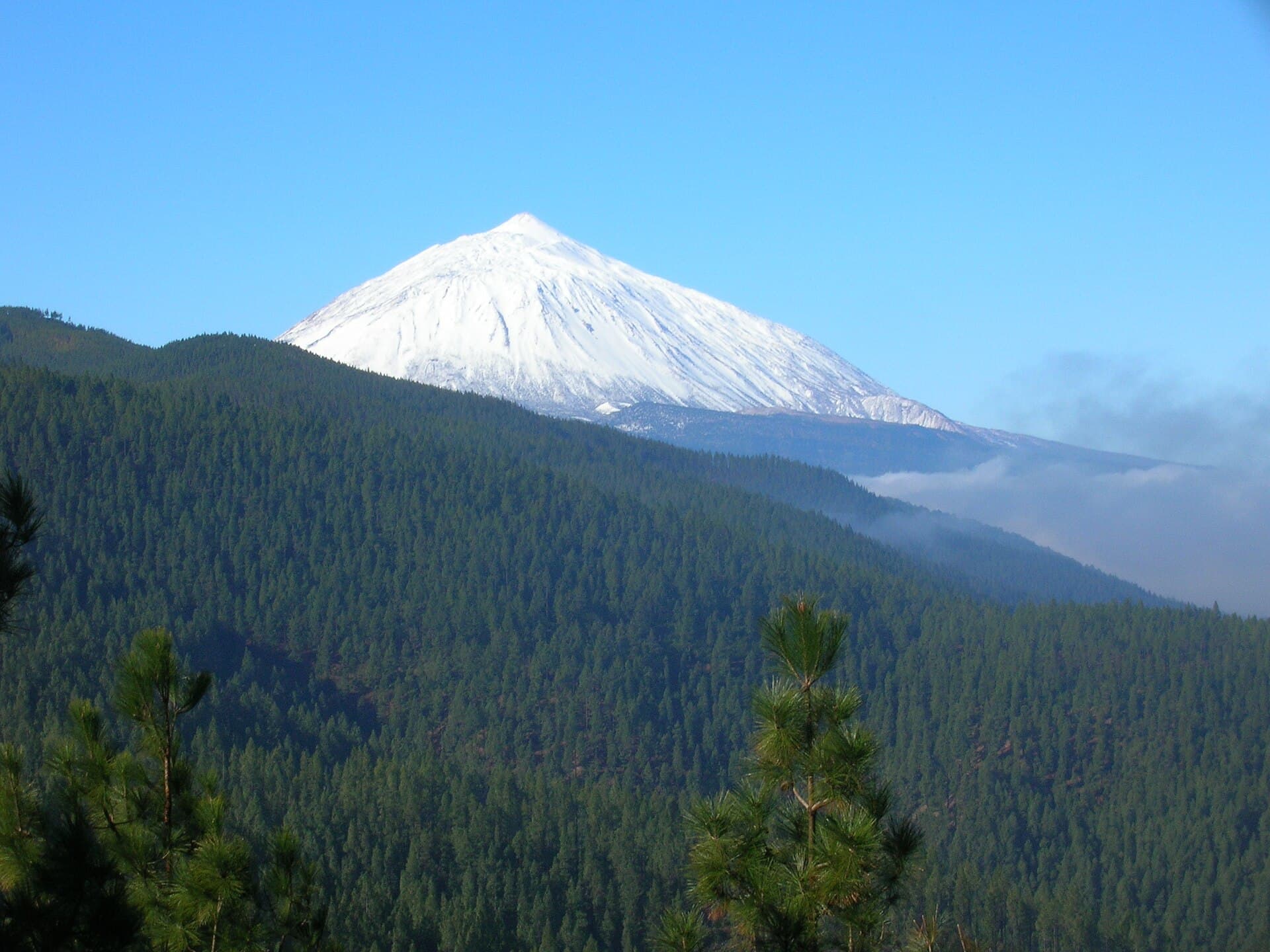
Spanning much of central and northern Tenerife, Corona Forestal Natural Park protects the island’s largest continuous forest of endemic Canary Island pine. The park’s high plateaus and steep barrancos offer hikers a quieter alternative to the crowds at nearby Teide National Park while delivering dramatic volcanic landscapes and long-range views across the Atlantic.
What to See and Do
Well-marked trails wind through fragrant pine woods where the ground is carpeted with pine needles and occasional clusters of Teide violet. Look for the park’s signature “candlestick” trees whose lower branches have been shaped by wind and fire. Longer routes climb to viewpoints such as the Mirador de las Flores or the ridge above La Orotava valley, where the ocean and the island’s northern cloud layer spread below.
Recommended Walks
- Short family-friendly loops around the Las Raíces recreation area.
- The steady ascent from La Laguna to the park’s highest points for panoramic views.
- Connecting paths that link to the lower reaches of Teide National Park for a full-day traverse.
Getting There and Getting Around
Most visitors arrive by rental car from Santa Cruz de Tenerife or Puerto de la Cruz using the TF-24 and TF-21 roads that cross the park. Several trailheads lie directly beside these routes with space for parking. Public buses reach the lower edges of the park, but onward movement inside the forest requires a car or taxi. Once inside, stick to official paths; the volcanic soil erodes quickly when people wander off-track.
Best Time to Visit
The park enjoys mild temperatures year-round, yet spring brings wildflowers and clearer skies. Summer afternoons can be hot at lower elevations, while winter occasionally brings mist and light rain that make the pines especially aromatic. Early mornings are best for photography and avoiding the occasional tour groups that pass through midday.
Nearby Attractions
Corona Forestal shares borders with Teide National Park, allowing seamless extension of a visit to the volcano’s cable car and crater rim. The historic towns of La Orotava and La Laguna lie on the park’s lower slopes and offer Canarian architecture and local cuisine after a day on the trails.