
Corfinium: Walking the Ruins of Abruzzo’s Ancient Italic Capital
Explore the evocative archaeological remains of Corfinium, once the heart of the Paeligni people and a key stronghold in the Social War.
Why Corfinium Matters
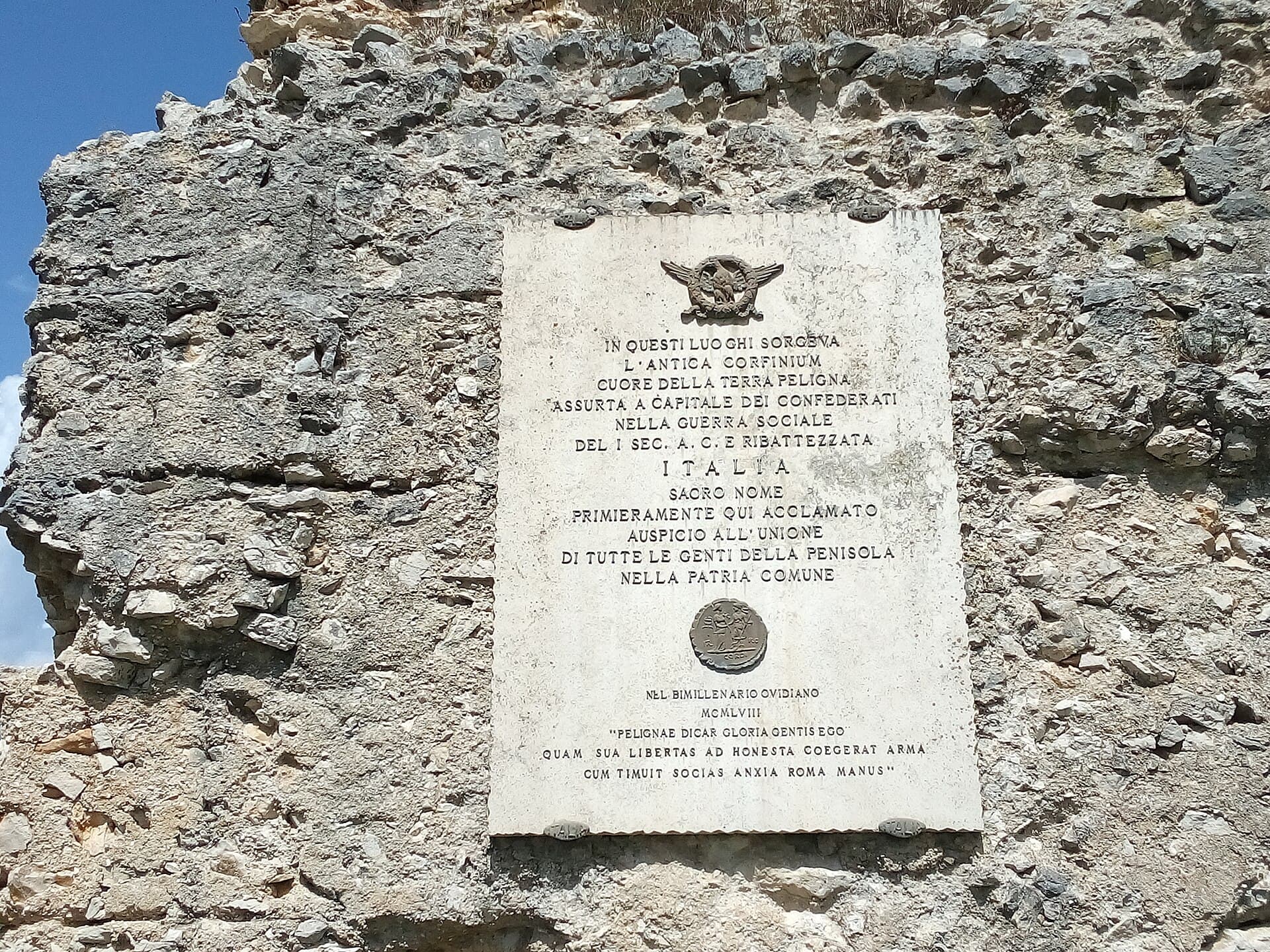
Corfinium stands as one of the most significant archaeological sites in Abruzzo, preserving the legacy of an Italic city that briefly challenged Rome’s dominance. Founded by the Paeligni, the settlement controlled vital routes through the Aterno valley and became the capital of the Italian confederation during the Social War of 91–88 BC, when it was renamed Italica. Today the scattered ruins lie within and around the modern village of Corfinio, offering visitors a tangible connection to pre-Roman Italy.
What to See and Do
Begin at the surviving stretches of massive polygonal walls that once encircled the ancient city; several well-preserved sections remain visible along the hillside above the village. The most striking feature is the Roman amphitheater, partially excavated and still conveying the scale of public entertainment in a provincial center. Scattered throughout the historic center are fragments of temples, paved streets, and domestic foundations incorporated into later buildings. A small civic museum displays inscriptions, coins, and architectural terracotta recovered from the site, helping visitors interpret the visible remains.
Practical Exploration Tips
- Allow two to three hours to walk the circuit of walls and descend into the amphitheater area.
- Combine the visit with the nearby church of San Pelino, which reuses ancient stonework and offers panoramic views over the valley.
How to Get There
Corfinio lies on the Rome–Pescara railway line; regional trains stop at Corfinio station, a short uphill walk from the archaeological zone. Drivers can reach the site via the A25 motorway, exiting at Pratola Peligna–Sulmona and following signs for Corfinio. The nearest major airport is Pescara, roughly an hour away by car or train.
Best Time to Visit
Spring and autumn provide the most comfortable temperatures for walking the uneven terrain. Summer visits are possible but plan for early morning or late afternoon to avoid intense sun on the exposed ruins. Winter offers fewer crowds yet may bring muddy paths after rain.
Nearby Attractions
The medieval hill town of Sulmona, birthplace of Ovid, lies ten minutes south and features a lively market and the impressive aqueduct of Santa Maria Annunziata. Further afield, the Maiella National Park offers hiking trails and the hermitage of San Giovanni in the valley of the same name. The ancient site of Amiternum and the castle town of Rocca Calascio provide additional day-trip options for those interested in Abruzzo’s layered history.
Visitor tips
- Wear sturdy shoes with good grip; the terrain around the walls and amphitheater is uneven and can be slippery after rain.
- Visit the small civic museum first for context, then explore the open-air ruins with a clearer understanding of what you are seeing.
- Pair the site with a stop in Sulmona for lunch and to purchase confetti, the traditional sugared almonds produced in the region.
Frequently asked questions
How long does it take to visit Corfinium?
Most visitors spend two to three hours exploring the walls, amphitheater, and museum; allow an extra hour if you want to photograph the panoramic views from the upper walls.
Is Corfinium suitable for children?
Yes, the open spaces and visible ruins are engaging for older children, though younger ones should be supervised near the steeper sections of the walls.
Are there guided tours available?
Local guides can be arranged through the municipal tourism office or the Sulmona visitor center; advance booking is recommended outside peak summer months.
Can I combine Corfinium with other archaeological sites in one day?
Yes, many travelers visit Corfinium together with Sulmona and the Roman remains at Amiternum, which are all within a 30u201340 minute drive of one another.
What facilities are on site?
There is a small museum and limited parking near the main access points; bring water and plan rest stops in the village cafu00e9s, as there are no large amenities directly at the ruins.