Why Columbia Lake Stands Out
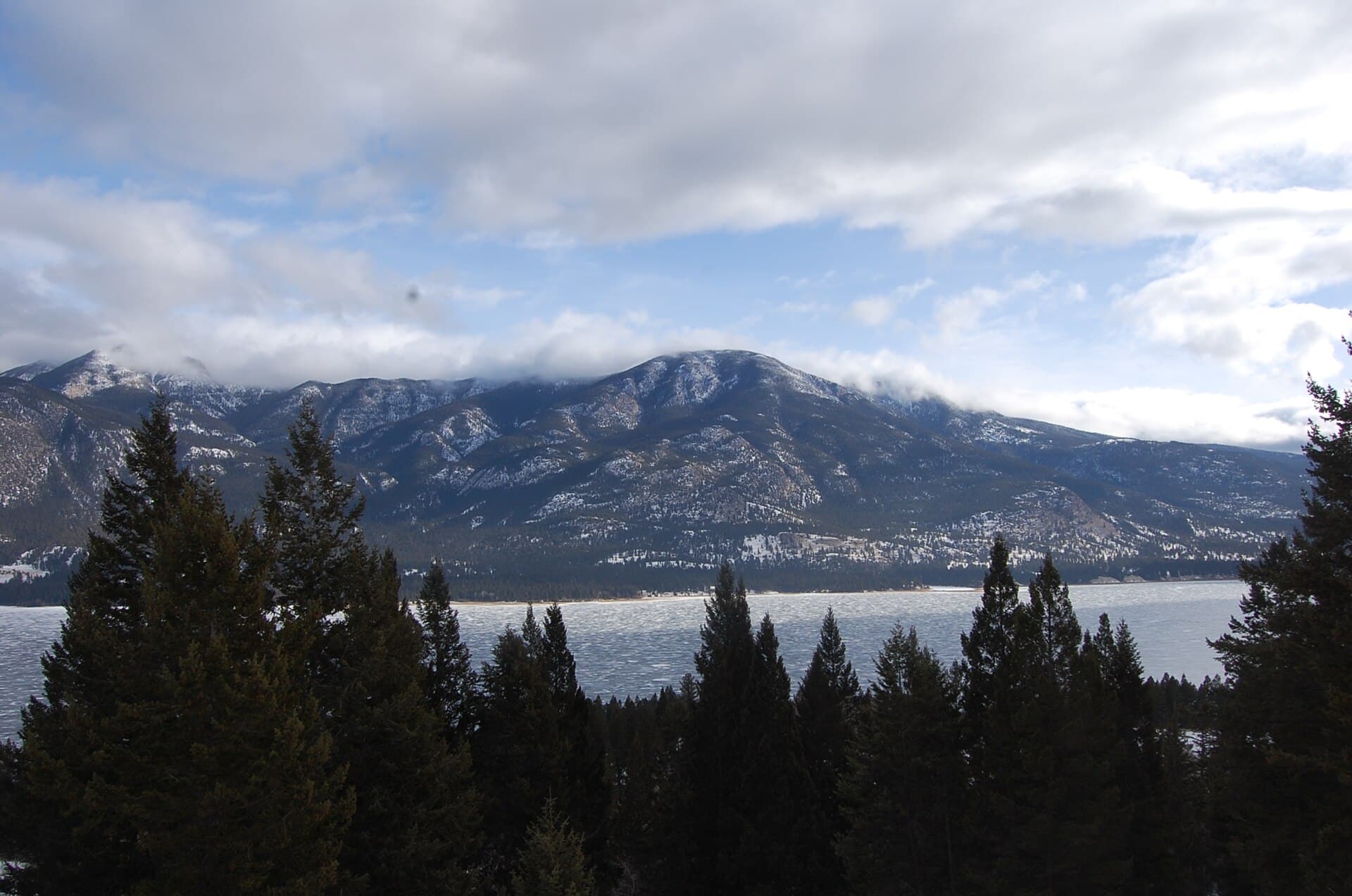
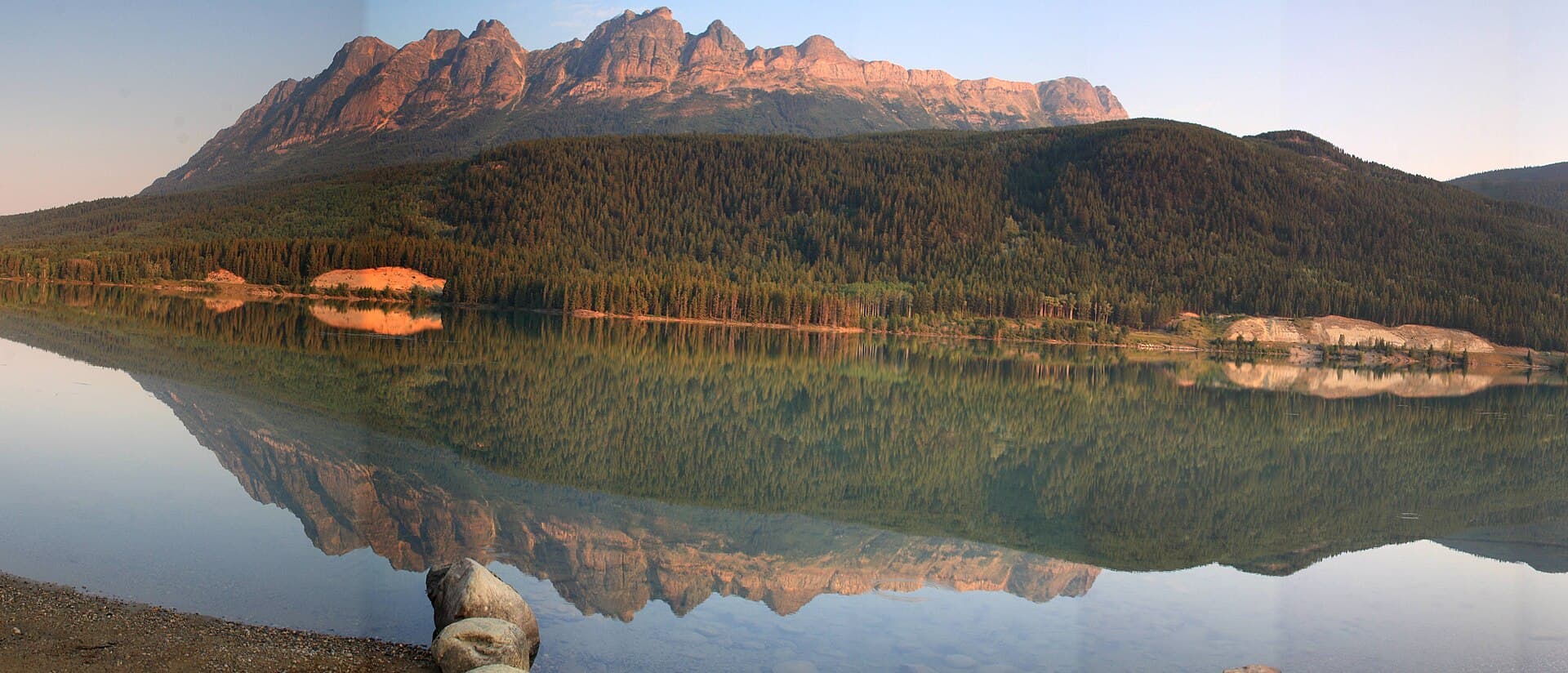
Columbia Lake sits at the headwaters of the Columbia River in British Columbia’s Columbia Valley. Fed by mountain streams and ringed by the Purcell and Rocky Mountains, the lake remains relatively undeveloped, giving visitors a sense of scale and solitude uncommon on larger valley lakes.
Activities on and Around the Water
The lake’s calm surface suits kayaking, canoeing, and stand-up paddleboarding. Motorboats are permitted but rarely crowd the water. Anglers target rainbow trout and burbot from shore or small craft. In summer the shallow northern end warms enough for swimming, while the deeper central basin stays cool. Birders often spot osprey, bald eagles, and migrating waterfowl along the eastern shoreline.
Shoreline Exploration
A rough walking path follows the western shore for several kilometres, offering views across the water toward the Stanford Range. The southern outlet where the Columbia River begins is marked by a small interpretive sign; the river’s first few metres are barely a trickle before it gains volume northward.
Getting There
Columbia Lake lies between Fairmont Hot Springs and Canal Flats on Highway 93/95. The nearest commercial airport is Cranbrook (YXC), roughly 45 minutes south. From Invermere or Radium Hot Springs, the drive south takes 20–30 minutes. Public boat launches exist at both the north and south ends; roadside pullouts provide additional access for paddlers.
Best Time to Visit
Late May through early October offers the most reliable weather. July and August bring the warmest water and longest days, while September delivers fewer visitors and vibrant larch colour on surrounding slopes. Winter visits are possible for ice fishing or snowshoeing, though access roads can be icy and services limited.
Nearby Attractions
Fairmont Hot Springs Resort lies five minutes north, offering public pools. Kootenay National Park and its hot springs are a short drive west via Highway 93. The town of Invermere provides groceries, restaurants, and a marina on Windermere Lake, the next body of water downstream.