Skip to content
Plan & Tour
DestinationsItinerariesTravel BlogAboutContact
0Sign inPlan a trip
Plan & TourPlan & Tour

Travel guides, destination inspiration and curated itineraries for Canada, the USA and beyond, plus a free tool to plan your own day-by-day trip.

Get travel inspiration

Explore

  • All Destinations
  • Curated Itineraries
  • Travel Blog
  • Plan a Trip

Topics

  • Hiking & Nature
  • Food & Drink
  • City Breaks
  • Budget Travel

Company

  • About Us
  • Contact
  • Privacy Policy
  • Terms of Service

© 2026 Plan & Tour. Built for travellers.

Discover the world, one trip at a time.

Collegiate Church of San Pedro de Cervatos: Cantabria’s Finest Romanesque Monument
  1. Home
  2. Destinations
  3. Campoo de Enmedio
  4. Collegiate Church of San Pedro de Cervatos: Cantabria’s Finest Romanesque Monument
Monument

Collegiate Church of San Pedro de Cervatos: Cantabria’s Finest Romanesque Monument

A remote 12th-century church whose exuberant carvings and pure Romanesque lines make it one of northern Spain’s most rewarding historic stops.

Campoo de EnmedioUpdated 10 November 2026

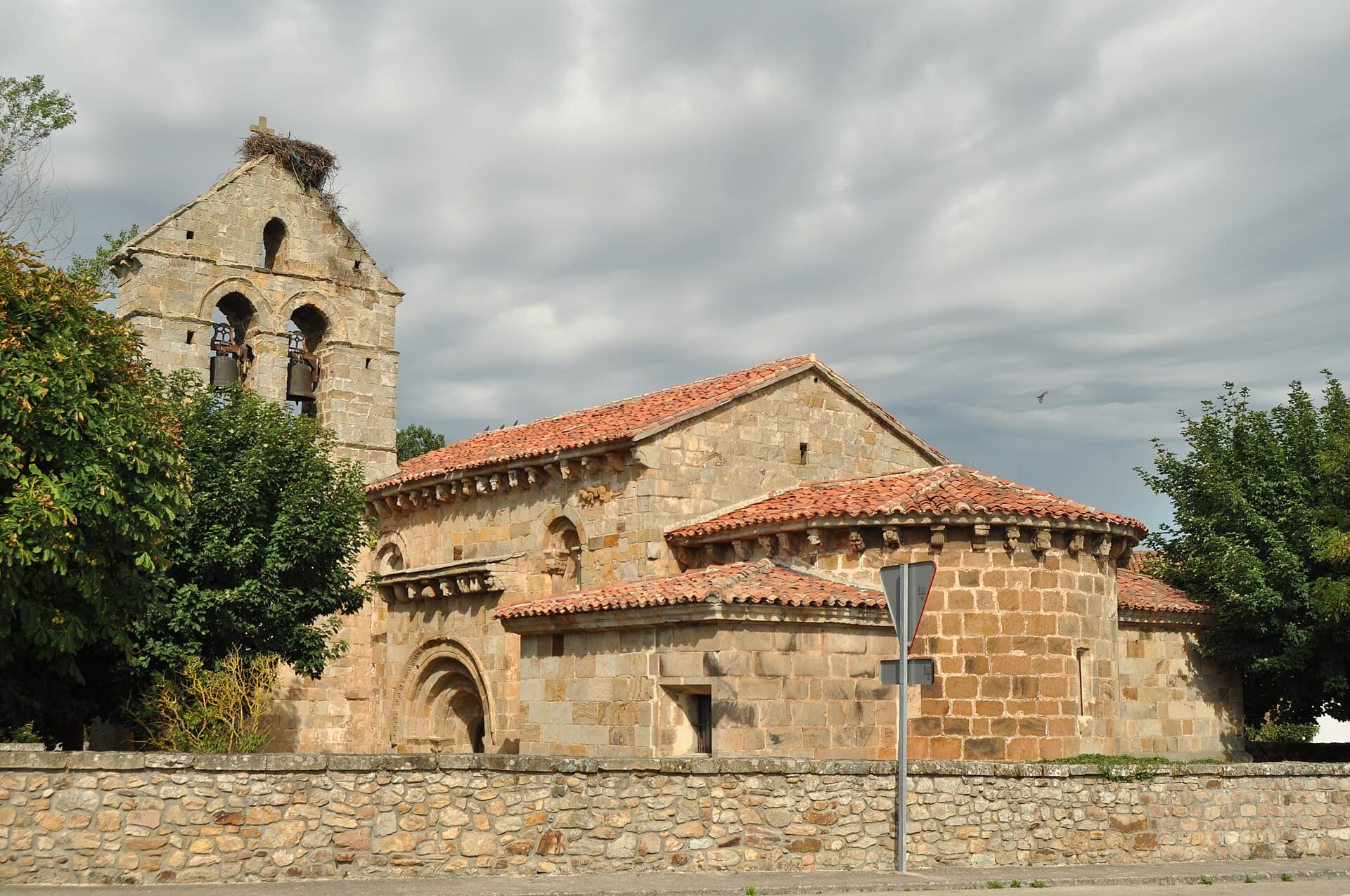
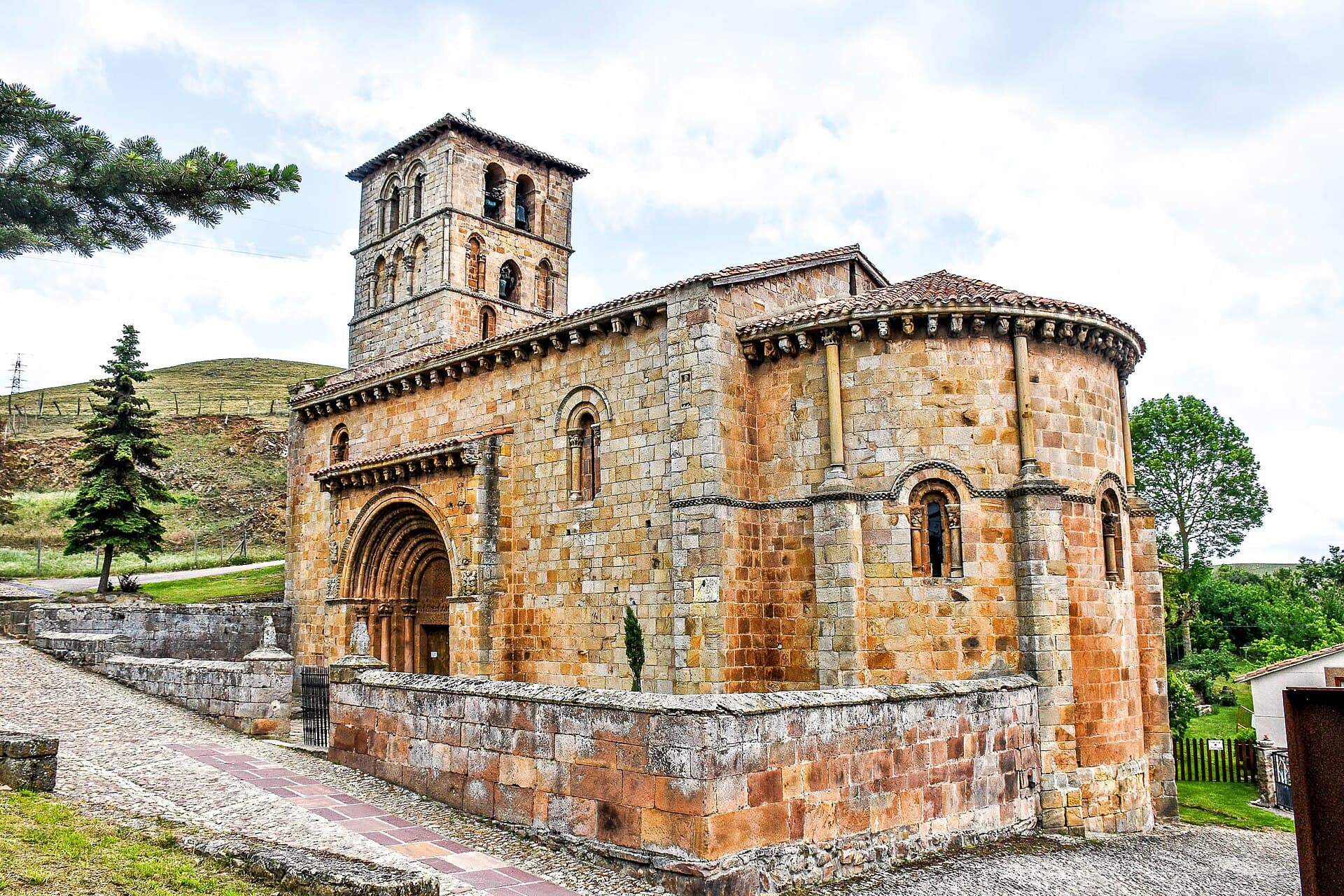
Perched on a low rise above the rolling farmland of Campoo de Enmedio, the Collegiate Church of San Pedro de Cervatos stands as one of the most complete and richly decorated Romanesque monuments in Cantabria. Built in the mid-12th century, the church retains its original triple apse, tall lantern tower, and an extraordinary collection of figurative corbels that have drawn scholars and travelers for generations.

Architectural Highlights

The south portal is the first point of interest. Its three archivolts rest on slender columns whose capitals display biblical scenes and fantastic beasts. Above the door, a frieze of human and animal figures runs the full width of the façade. Walk around the exterior to study the apses, where more than eighty carved corbels depict musicians, acrobats, and everyday rural life. Inside, the nave is austere yet perfectly proportioned, its barrel vault supported by engaged columns with scalloped capitals.

The Famous Corbels

Unlike many Romanesque churches that were later altered, Cervatos preserves nearly all its original corbels. They range from sacred motifs to humorous and occasionally erotic subjects, reflecting the medieval worldview in which the sacred and the profane coexisted on the same building. Good light in the late afternoon reveals the crisp chisel marks still visible after eight centuries.

Getting There and Visiting

The church lies just outside the village of Cervatos, reached by a short rural road from the N-611 highway between Reinosa and Aguilar de Campoo. Drivers should park in the small lay-by beside the cemetery and walk the last 150 meters. The surrounding fields offer unobstructed views of the tower against the Cantabrian mountains, making it an excellent subject for photography at sunrise or sunset.

Best Time to Visit and Nearby Sites

Spring and early autumn provide the mildest weather and fewest visitors. In winter the stone interior can feel damp, so bring an extra layer. Combine a visit with the nearby Romanesque churches of San Martín de Elines and Santa María de Valverde, both within a 20-minute drive, or continue north to the larger collegiate church at Santillana del Mar. The Ebro reservoir and the historic town of Reinosa offer convenient lunch stops.

Visitor tips

  • Park only in the designated lay-by; the narrow village lanes are unsuitable for larger vehicles and have no turning space.
  • Bring a small flashlight or use your phoneu2019s torch to examine the corbels on the north side, which remain in deep shadow even on bright days.
  • Allow at least 45 minutes for a slow circuit of the exterior carvings before entering the church; the details reward unhurried viewing.

Frequently asked questions

Is the church still used for worship?+

Yes, occasional masses are held, but the building is primarily maintained as a historic monument open to respectful visitors.

Are the carvings inside or only on the outside?+

Most figurative sculpture is on the exterior corbels and portal; the interior is comparatively plain apart from carved capitals.

How long does a typical visit take?+

Most visitors spend 45u201360 minutes exploring the exterior carvings and the nave.

Is the site accessible for visitors with limited mobility?+

The path from the parking area is unpaved and slightly uneven; the interior has a single step at the doorway.

Are there any other Romanesque churches nearby worth seeing the same day?+

Yes, San Martu00edn de Elines and Santa Maru00eda de Valverde are both short drives away and share the same 12th-century style.

Share
Google Maps Apple Maps Directions

Image: MottaW · CC BY-SA 4.0 · via Wikimedia Commons

Keep reading

Nearby & related

All stories
Iglesia de San Cipriano: A Romanesque Gem in Campoo de Enmedio
Campoo de Enmedio

Iglesia de San Cipriano: A Romanesque Gem in Campoo de Enmedio

Step inside this centuries-old church in Cantabria’s mountain valley for quiet heritage and sweeping rural views.

12 November 2026
Juliobriga: Exploring Cantabria’s Most Significant Roman Ruins
Campoo de Enmedio

Juliobriga: Exploring Cantabria’s Most Significant Roman Ruins

Wander through the well-preserved remains of a Roman city that once anchored imperial presence in northern Spain.

9 November 2026