
Juliobriga: Exploring Cantabria’s Most Significant Roman Ruins
Wander through the well-preserved remains of a Roman city that once anchored imperial presence in northern Spain.
The Roman Legacy of Juliobriga
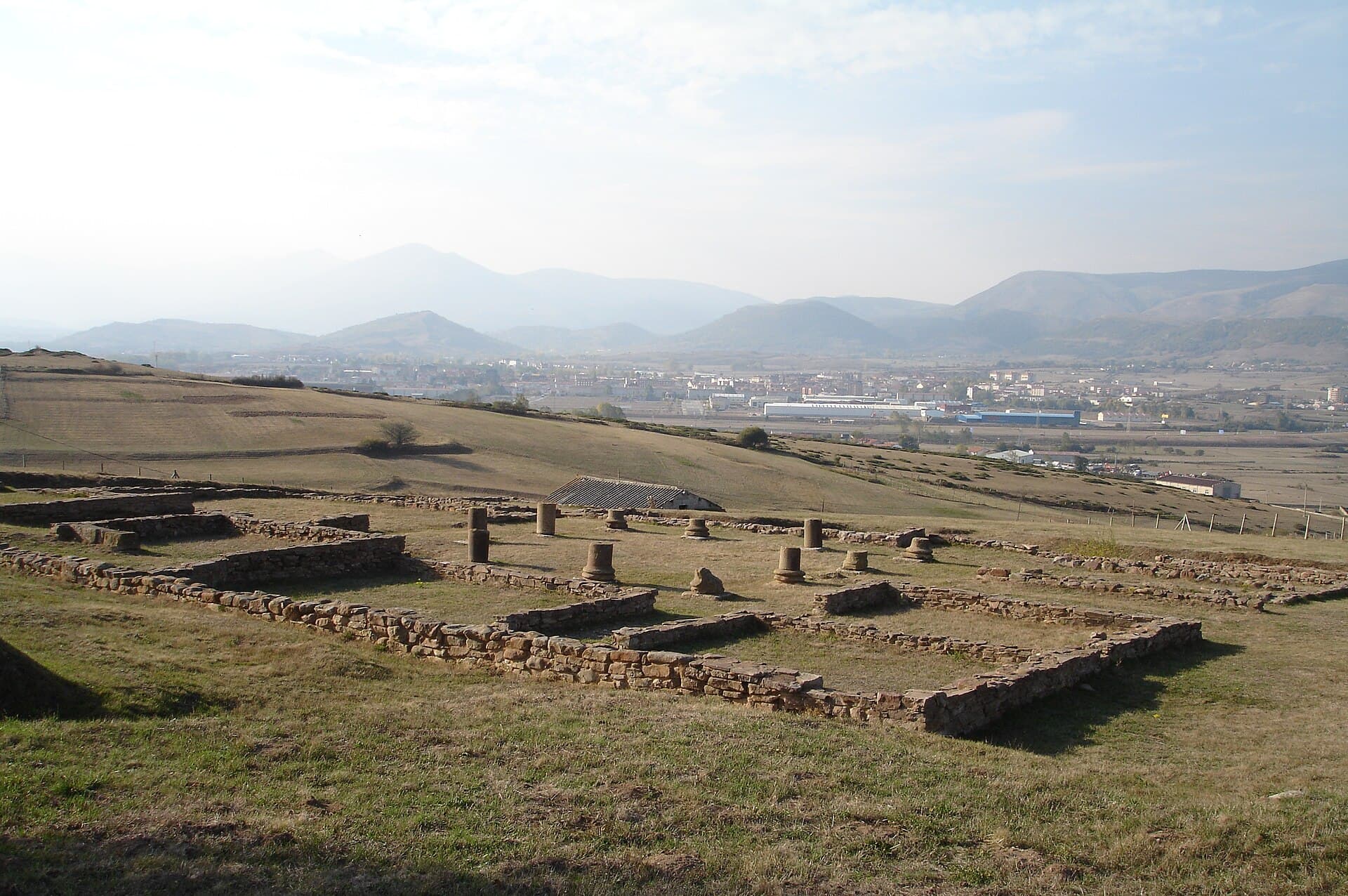
Juliobriga stands as the most important Roman archaeological site in Cantabria, founded in the late first century BC to control routes between the Meseta and the Cantabrian coast. Its elevated position above the valley offered strategic oversight and mild summers that still appeal to visitors today.
Key Features Worth Seeing
The excavated residential quarter reveals several domus with visible mosaics, hypocaust heating systems, and courtyards. A short walk leads to the forum area where public buildings once stood, while the nearby thermal baths demonstrate sophisticated Roman engineering adapted to the local climate. Interpretive panels explain the layout without overwhelming the atmosphere of the open ruins.
Practical Exploration
Follow the marked paths that circle the main structures; the gentle slopes make the site accessible for most visitors. Allow time to sit among the stones and appreciate how the surrounding meadows and distant mountains frame the ancient streets.
Getting to Juliobriga
Travelers reach the site by road from the nearby town of Reinosa, roughly ten minutes away. Regional buses stop in Reinosa, after which a short taxi ride or pleasant walk completes the journey. Those driving from Santander follow the A-67 motorway south and then local roads through rolling farmland.
Best Time to Visit
Spring and early autumn provide the most comfortable temperatures for walking the site. Summer brings longer daylight but stronger sun on the open terrain, while winter visits reward with fewer crowds yet require warmer layers against mountain winds.
Nearby Places to Combine
After exploring the ruins, continue to the medieval core of Reinosa for lunch or extend the day to the Romanesque churches scattered across Campoo de Enmedio. The dramatic gorges of the Ebro river and the highland landscapes of the Cantabrian Mountains lie within easy reach for a fuller regional itinerary.
Visitor tips
- Wear sturdy shoes with good grip; the terrain includes uneven stone paths and grass.
- Pack water and sun protection, as shade is limited across the exposed ruins.
- Plan at least two hours on site and consider combining the visit with a stop in Reinosa for meals or supplies.
Frequently asked questions
How old are the ruins at Juliobriga?
The city was established in the late first century BC and remained active through the Roman period, with later medieval reuse of some structures.
Is Juliobriga suitable for children?
Yes, the gentle paths and open spaces make it engaging for families, though parents should watch for uneven ground.
Can I visit Juliobriga without a car?
Buses reach Reinosa; from there a short taxi or walk gets you to the site, though driving offers the most flexibility.
What should I wear when visiting the archaeological site?
Comfortable walking shoes, layers for changing mountain weather, and sun protection are recommended year-round.
Are there other Roman sites nearby?
Several smaller Roman remains exist in the Campoo valley, though Juliobriga offers the most extensive and best-interpreted collection.