Why Clearwater Lake Stands Out
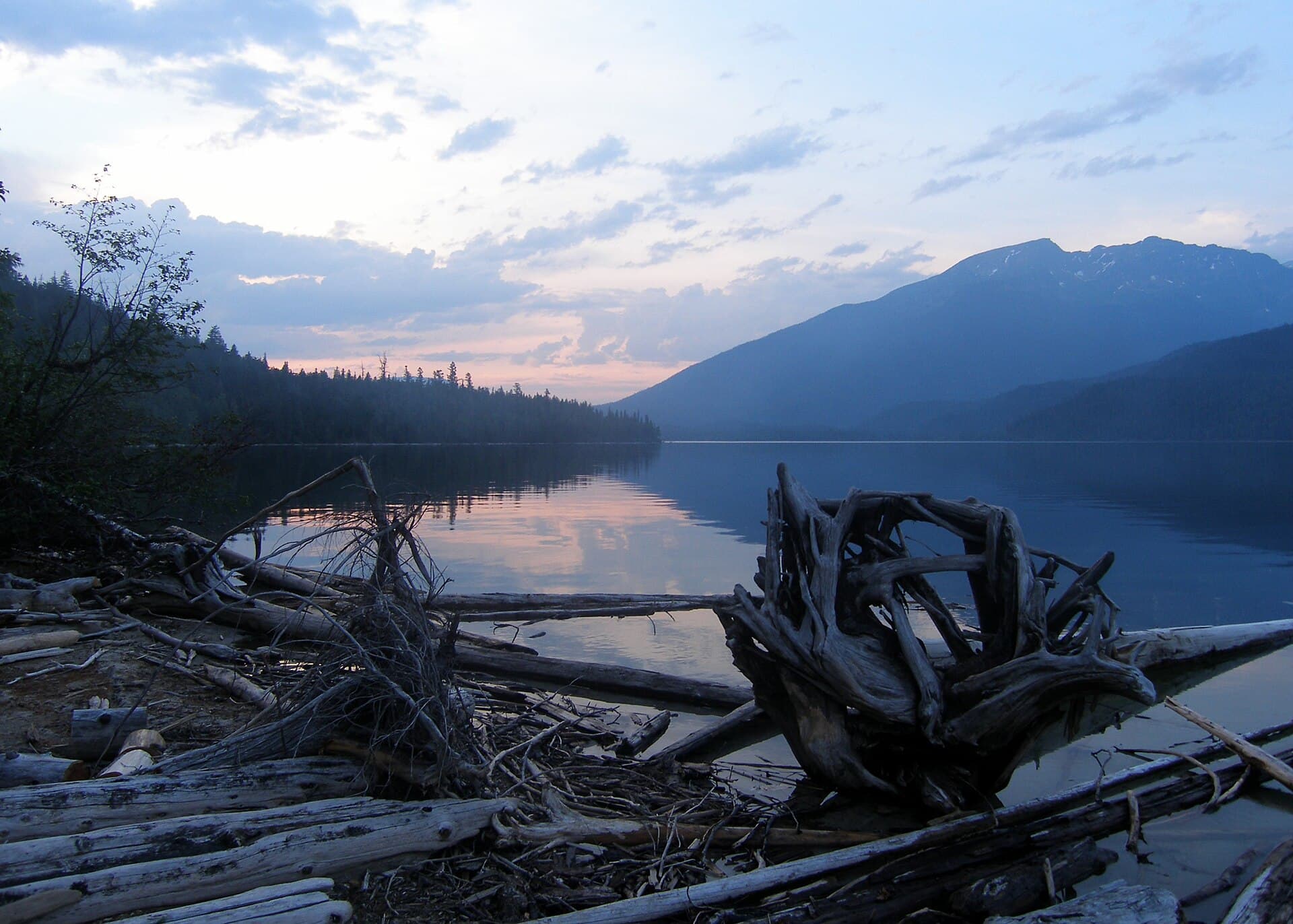
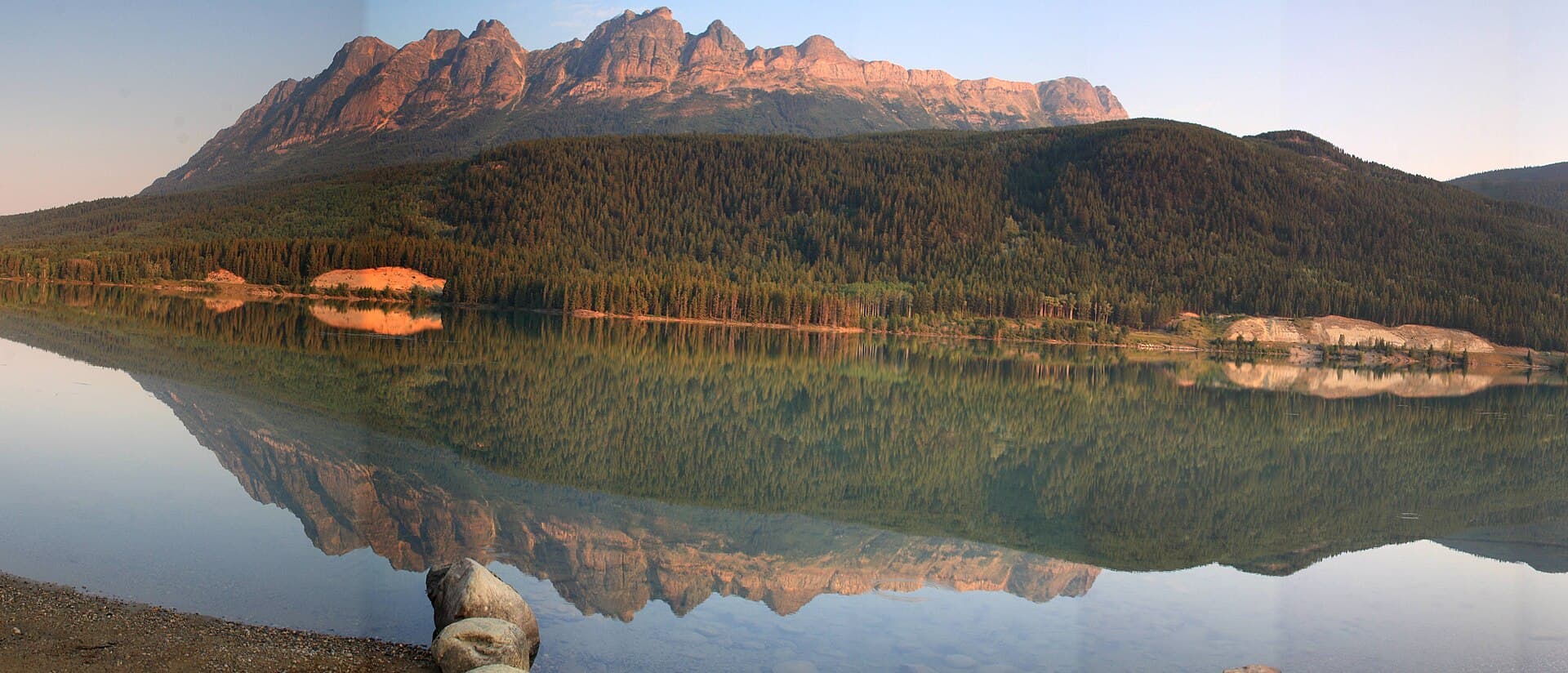
Clearwater Lake sits deep within Wells Gray Provincial Park, offering visitors some of the clearest water in British Columbia thanks to its glacial origins and lack of major inflows. The lake stretches roughly 20 kilometres, framed by forested mountains and volcanic peaks that create a dramatic backdrop for every season. Its remote location keeps crowds low, making it ideal for those seeking quiet paddling or shoreline solitude rather than busy resort scenes.
Things to See and Do
Boating and kayaking rank among the top activities, with the transparent depths revealing submerged logs and occasional fish. Anglers target rainbow trout and lake trout from shore or small boats. Several short hiking trails start near the lake’s south end, leading to viewpoints overlooking the water and surrounding ridges. Longer routes connect to other park features such as meadows and smaller alpine lakes. Swimming is refreshing during warmer months, while the surrounding forest provides excellent birdwatching opportunities for species like loons and eagles.
Nearby Attractions
Within Wells Gray Provincial Park, visitors can extend their trip to Helmcken Falls, one of Canada’s highest free-falling waterfalls, or explore the lava canyons and mineral springs that define the region’s volcanic history. The community of Clearwater offers basic supplies and serves as a gateway to additional day trips into the Cariboo Mountains.
How to Get There
Most travellers reach the lake by driving from Kamloops, following Highway 5 north to Clearwater and then the well-maintained Wells Gray Park road. The final stretch includes gravel sections suitable for standard vehicles in summer. No public transit serves the lake directly, so a personal vehicle or arranged shuttle from Clearwater is necessary. Winter access is limited by snow, and the road often closes until late spring.
Best Time to Visit
July through September brings the warmest weather and full road access, perfect for water activities. Late September and early October offer quieter trails and vibrant fall colours. Spring runoff creates higher water levels but can make some paths muddy. Winter appeals to experienced snowshoers or cross-country skiers, though preparation for extreme cold and avalanche awareness is essential.
Practical Considerations
Camping is available at designated sites near the lake with basic facilities. Bears frequent the area, so proper food storage is mandatory. Cell service is unreliable, so download maps in advance and inform someone of your plans. The park emphasizes low-impact travel to protect its clear waters and wildlife habitats.