
Keep reading
Nearby & related
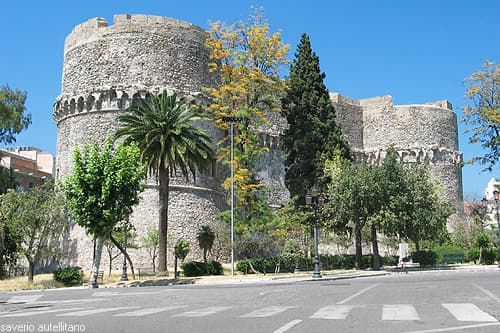
Aragonese Castle: Reggio Calabria’s Historic Fortress on the Strait of Messina
Rising above the narrow waters separating Calabria from Sicily, the Aragonese Castle delivers panoramic views and…
17 October 2026
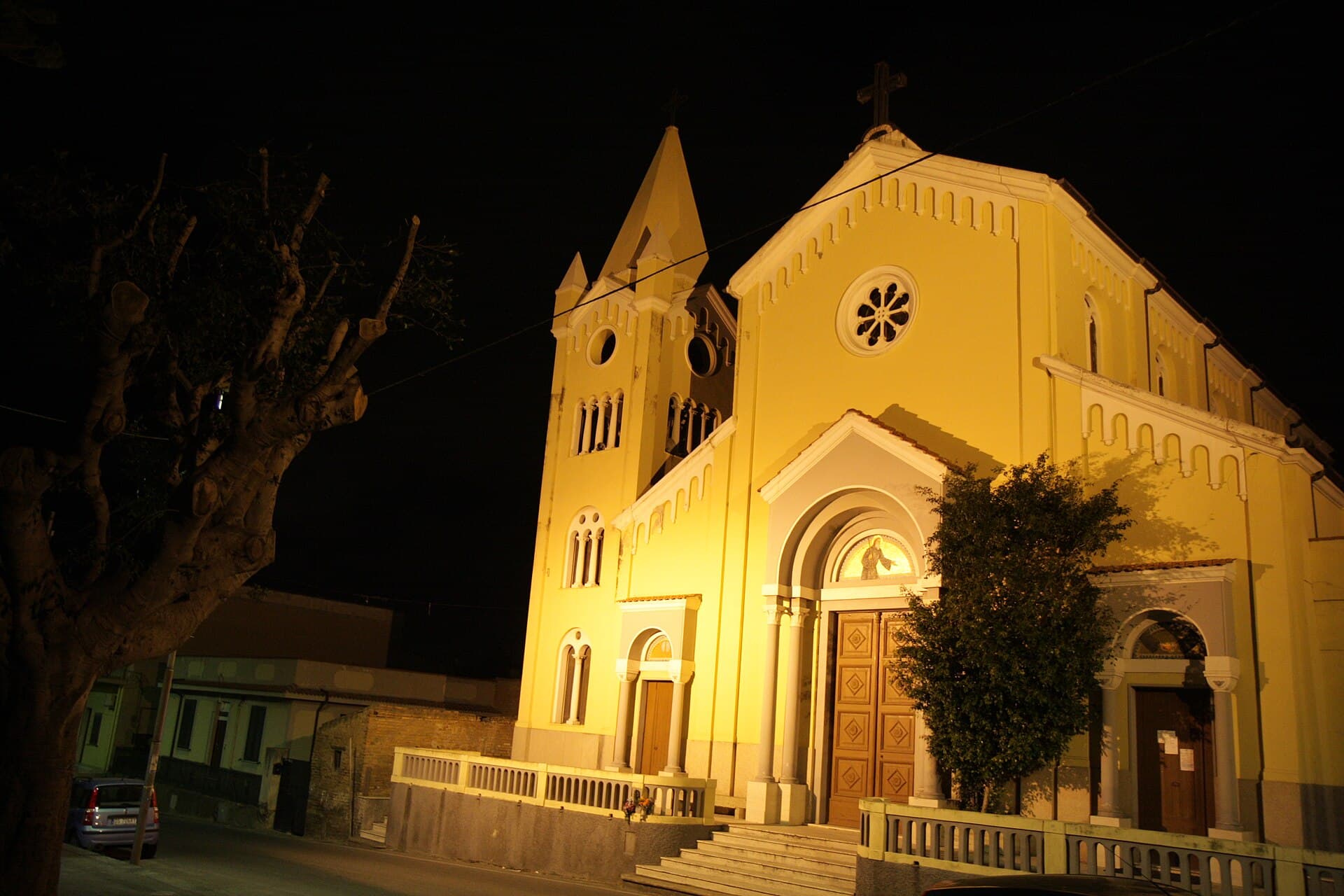
A peaceful 18th-century sanctuary honoring Calabria’s patron saint, filled with ornate details and quiet contemplation.
Perched in the historic center of Reggio Calabria, the Church of São Francisco de Paula stands as a refined example of southern Italian Baroque architecture. Dedicated to Saint Francis of Paola, the region’s beloved patron, the church offers visitors a tranquil retreat from the bustling streets while showcasing the artistic heritage of Calabria.
The facade features graceful curves and sculpted details typical of the Baroque period, with a modest yet elegant entrance that invites closer inspection. Inside, the single-nave layout leads the eye toward a richly decorated high altar. Side chapels contain marble altars, devotional paintings, and statues that illustrate the saint’s life and miracles. Soft natural light filters through windows, highlighting stucco work and fresco fragments that have survived centuries of regional earthquakes and restorations.
Saint Francis of Paola is revered throughout Calabria for his humility and miracles. Local families still visit to light candles or attend annual feasts, giving the space a living community atmosphere rather than a purely tourist site. The church’s modest scale encourages unhurried appreciation of its details, from carved wooden confessionals to the intricate ironwork on the gates.
Reggio Calabria’s compact historic district makes the church easy to include in a walking itinerary. Arrive via the main railway station and continue on foot along Via San Francesco da Paola or nearby pedestrian streets. Regional buses and the local tram line stop within a few blocks, while drivers can find limited street parking in the surrounding residential lanes.
Spring and early autumn bring comfortable temperatures ideal for exploring on foot. Summer visits are possible but best scheduled early in the morning or late afternoon to avoid heat. The church remains open year-round, though feast days in early April and September add processions and extra floral displays that enhance the experience.
Combining these sites creates a compact cultural loop that reveals the layered history of the city without requiring extensive travel.
Non-flash photography for personal use is generally permitted; always check for posted signs near the entrance and avoid disrupting services.
Most visitors spend 20 to 40 minutes exploring the interior and facade, making it an easy stop on a half-day walking tour of the historic center.
The main entrance is at street level with a few steps; side access may be availableu2014contact the parish in advance for specific requirements.
Occasional tours are offered during peak seasons or feast days; independent exploration with a good guidebook or audio app works well for most travelers.
Modest clothing that covers shoulders and knees is recommended out of respect for the active place of worship.
Keep reading
Rising above the narrow waters separating Calabria from Sicily, the Aragonese Castle delivers panoramic views and…