
Keep reading
Nearby & related
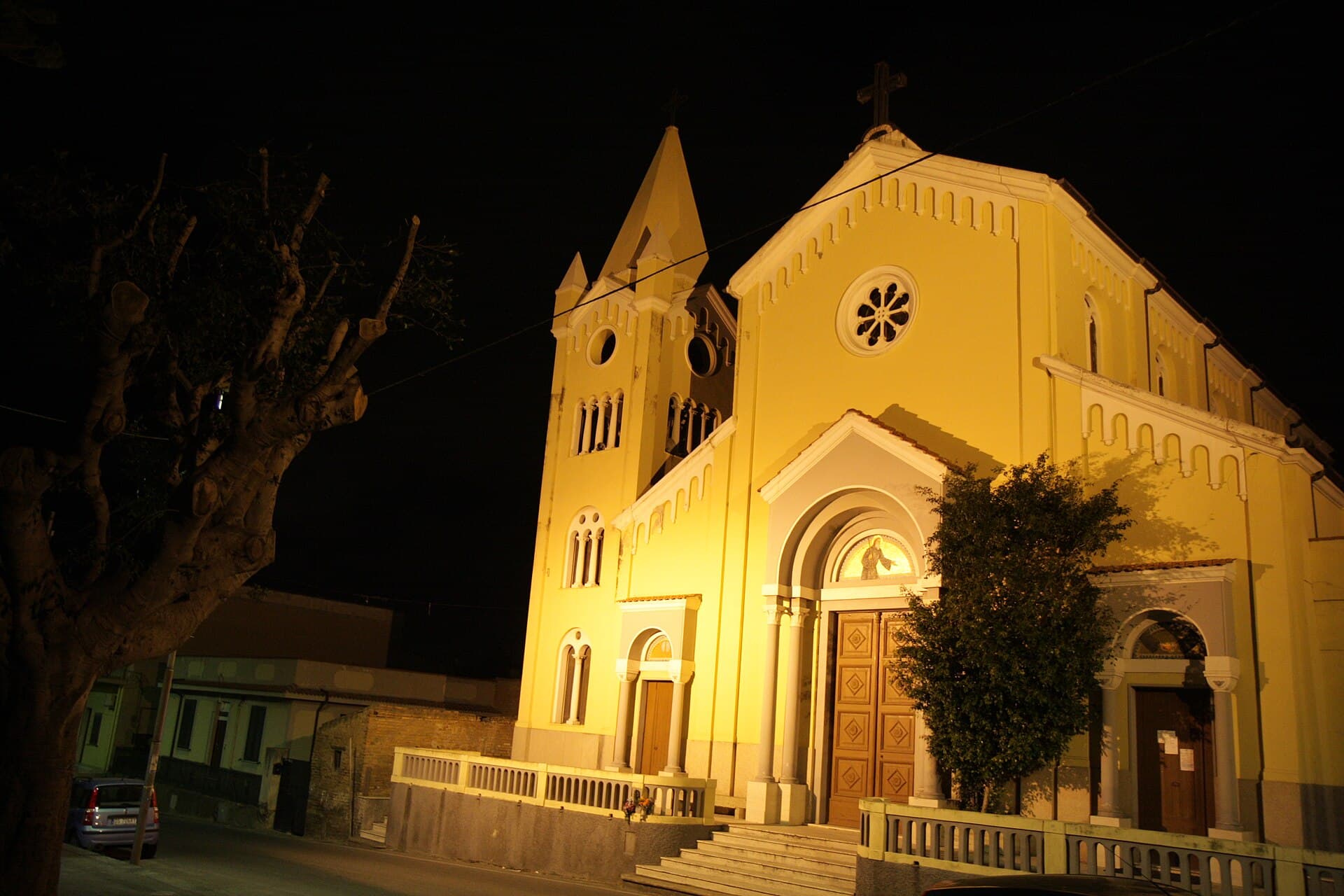
Church of São Francisco de Paula: Baroque Splendor in Reggio Calabria
A peaceful 18th-century sanctuary honoring Calabria’s patron saint, filled with ornate details and quiet contemplation.
18 October 2026
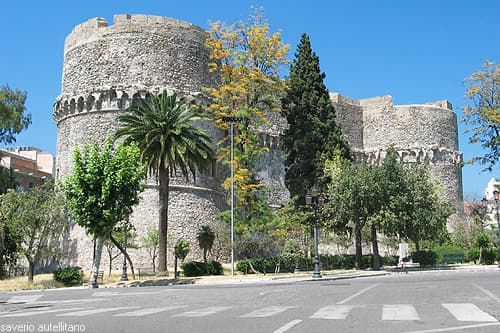
Rising above the narrow waters separating Calabria from Sicily, the Aragonese Castle delivers panoramic views and centuries of layered Mediterranean history.
Built on a rocky spur jutting into the Strait of Messina, the Aragonese Castle has guarded Reggio Calabria’s harbor since the late 15th century, when Aragonese engineers strengthened earlier Norman and Byzantine defenses. Its thick stone walls and angular bastions still command the narrow channel where ferries cross to Sicily, offering visitors one of the clearest sightlines to Mount Etna on clear days.
Walk the ramparts for unobstructed views of the strait and the Calabrian coastline curving south toward the Aspromonte mountains. Inside the main courtyard, restored vaulted rooms house occasional exhibitions on local maritime history while preserving the castle’s original military layout. The upper terrace provides the best vantage point for watching ships navigate the busy shipping lane.
The fortress sits at the northern edge of Reggio Calabria’s historic center, a 15-minute walk from the main train station along Corso Vittorio Emanuele and the waterfront promenade. Drivers can use the nearby lungomare parking areas; the site is also served by local buses running the coastal route. Ferries from Sicily arrive at the port directly below the castle walls.
Spring (April–June) and early autumn (September–October) bring mild temperatures and fewer crowds, making it comfortable to explore the sun-exposed ramparts. Summer visits are possible but plan for midday heat and stronger winds off the strait. Winter offers quieter access and dramatic stormy-sea views, though occasional closures occur during high winds.
After touring the castle, stroll the Lungomare Falcomatà for fountains and cafés, visit the National Archaeological Museum to see the Riace Bronzes, or continue south along the coast to the Sanctuary of Madonna of the Sea. The castle pairs naturally with a day trip across the strait to Messina for contrasting Sicilian perspectives of the same waterway.
Most visitors spend 45 to 90 minutes exploring the ramparts and courtyards; add extra time if exhibitions are open or if you plan to linger for photographs.
Yes, the open spaces and sea views appeal to families, though the uneven surfaces and lack of railings on some upper sections require close supervision of younger children.
On clear days the Sicilian coast and snow-capped Etna are visible from the upper terrace; early morning or late afternoon light usually provides the sharpest views.
Basic facilities are available near the entrance; for meals or coffee, head to the cafu00e9s along the adjacent lungomare promenade a few minutesu2019 walk away.
The exposed ramparts can be closed during strong winds for safety; indoor vaulted areas remain accessible, and the views of the stormy strait can still be dramatic from sheltered spots.
Keep reading
A peaceful 18th-century sanctuary honoring Calabria’s patron saint, filled with ornate details and quiet contemplation.