Why the Chilcotin River Stands Out
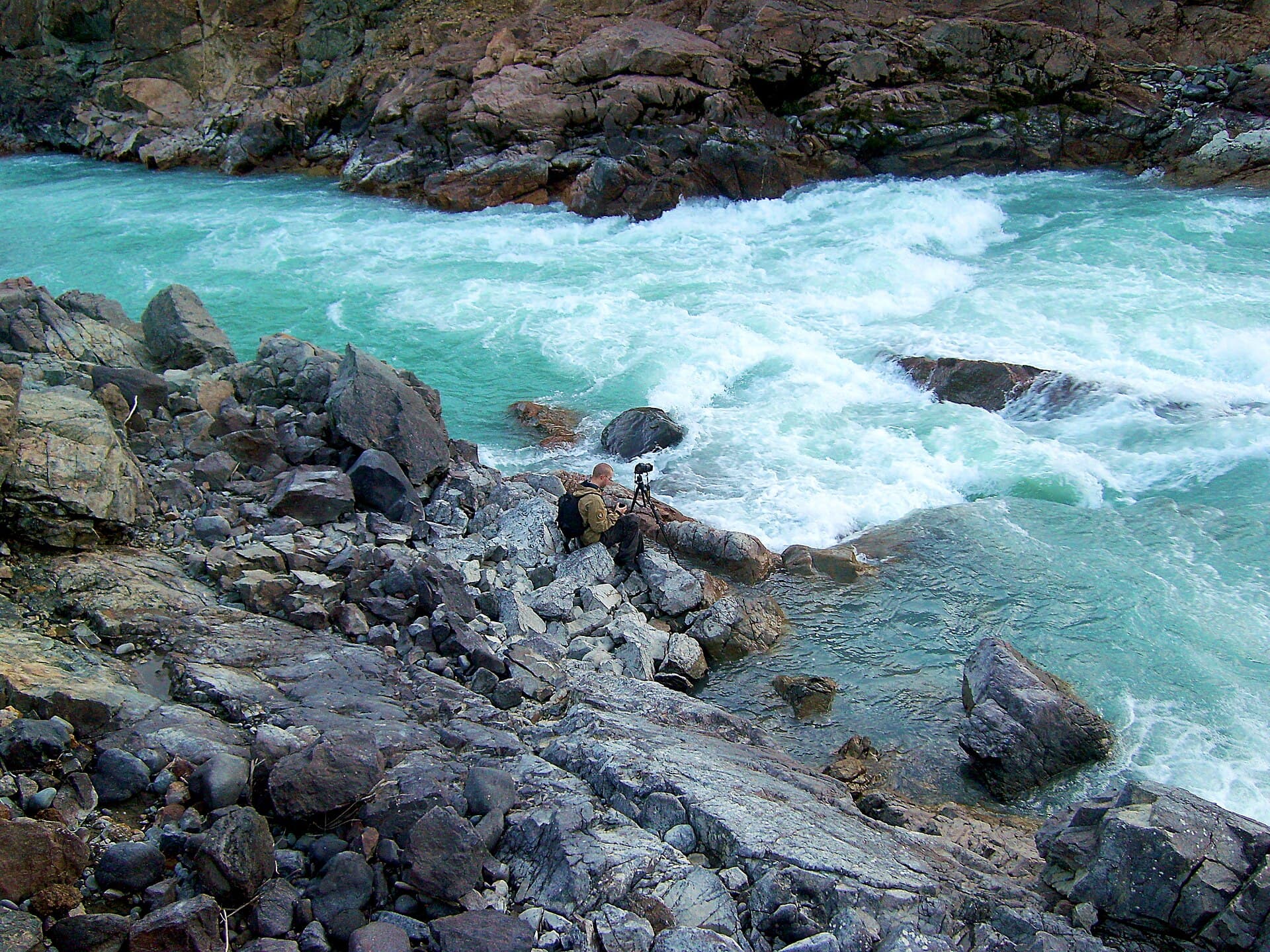
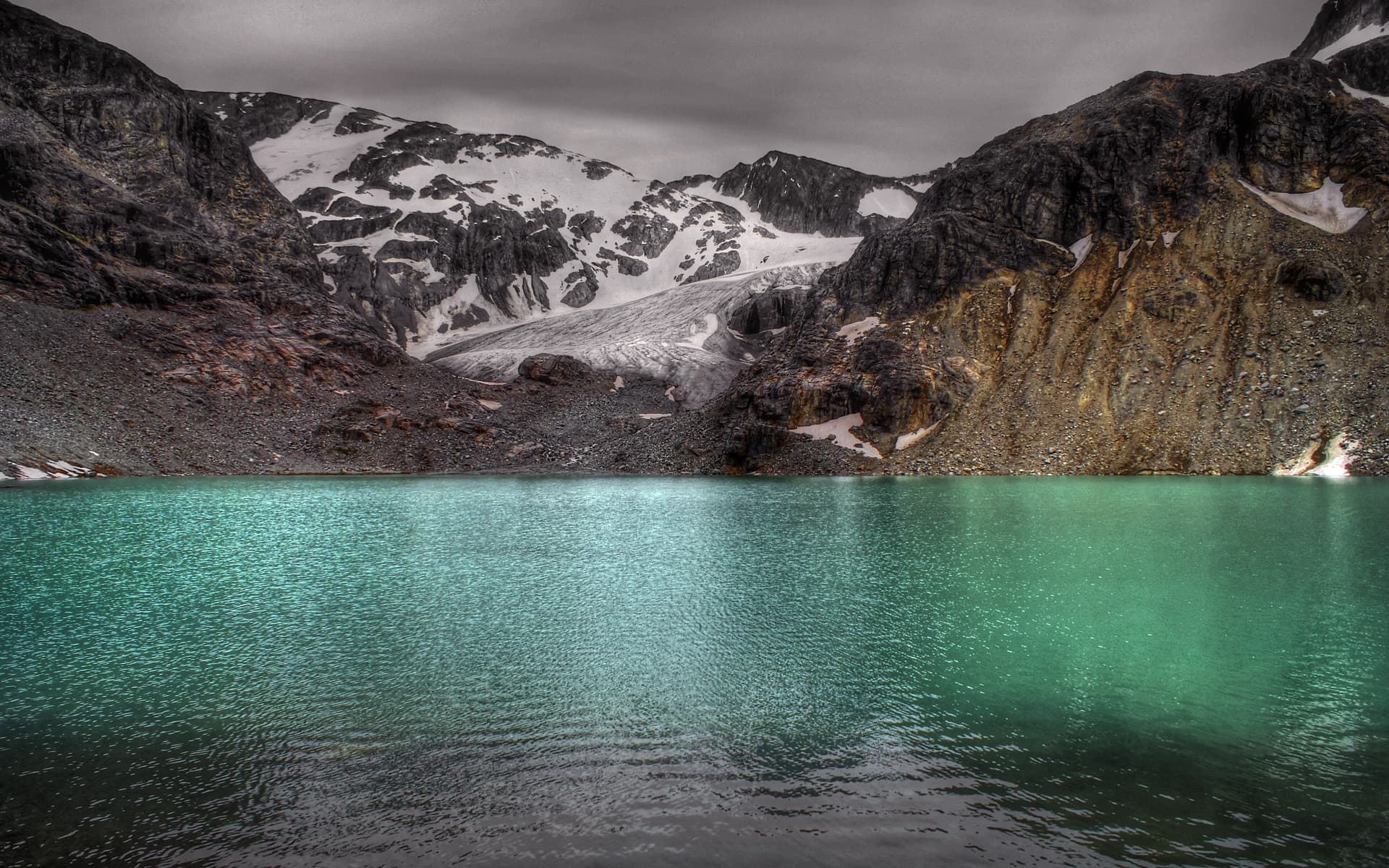
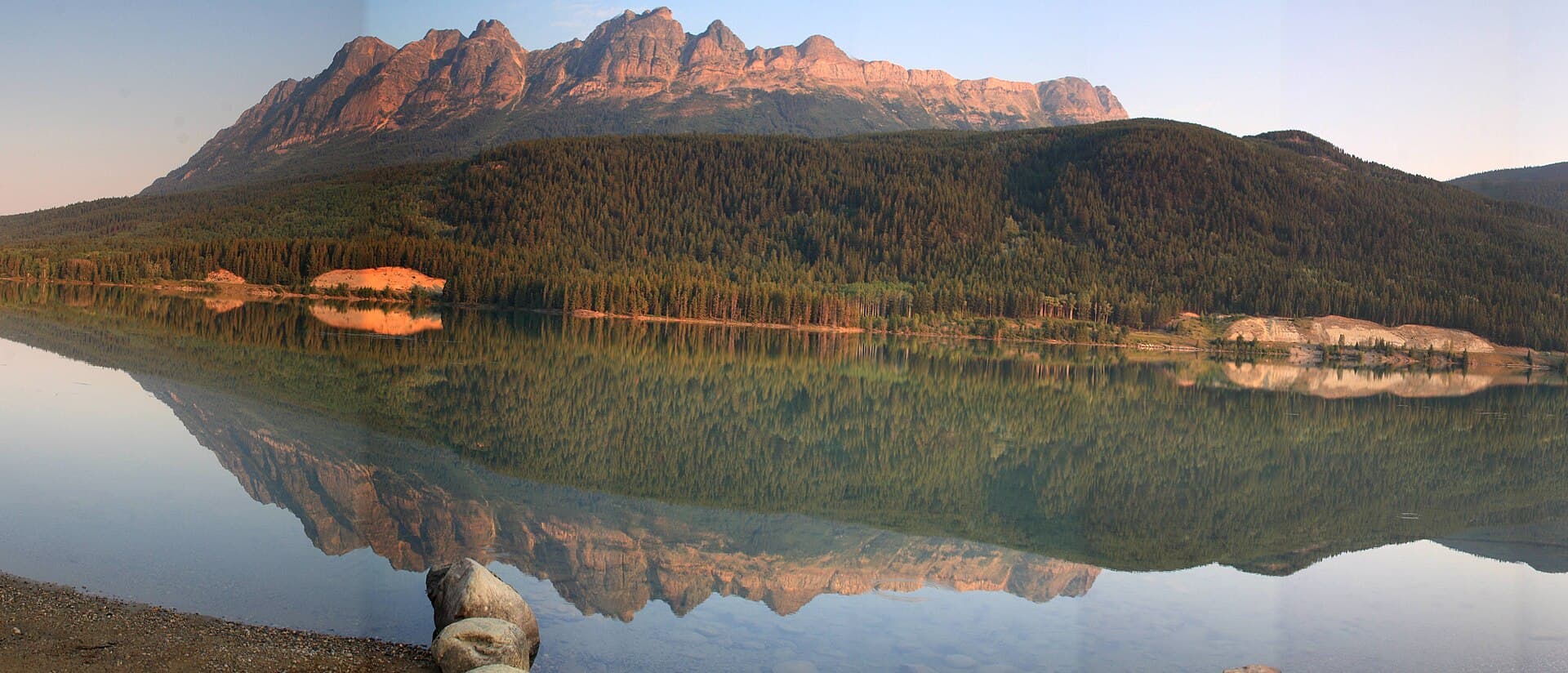
The Chilcotin River carves through the high plateau country west of Williams Lake, offering one of the most remote and scenic river experiences in British Columbia. Its clear, glacier-fed waters drop through narrow basalt canyons and open meadows ringed by the Coast Mountains, creating a landscape that feels far removed from developed tourism corridors.
Signature Activities
Multi-day rafting trips reveal continuous Class III to IV whitewater punctuated by calm stretches ideal for wildlife spotting. Anglers target large Chinook salmon in late summer and fall, while the surrounding plateau supports excellent hiking and horseback travel into Tsylos Provincial Park. The river’s isolation means few other parties share the same stretch on any given day.
Getting There and Access Points
Most visitors fly into Williams Lake, then drive west on Highway 20 toward the Chilcotin Plateau. Put-ins for longer trips commonly begin near Chilko Lake or the confluence with the Chilko River; shorter day floats are possible farther downstream near Redstone. Four-wheel-drive vehicles are advisable on the final gravel roads, and all access requires advance planning because services are sparse.
Best Time to Visit
July through early September offers the most reliable water levels for rafting and the peak of the salmon runs. Early summer brings higher, colder flows suitable for experienced paddlers, while September provides quieter fishing and fewer insects. Shoulder months can deliver solitude but require checking water conditions carefully.
Nearby Destinations Worth Combining
- Tsylos Provincial Park for alpine hiking and grizzly viewing
- The upper Chilko River for additional whitewater
- Tatlayoko Lake for scenic drives and fly-fishing
- Farwell Canyon for dramatic basalt cliffs and cultural sites
These nearby areas extend a Chilcotin River trip into a full week of backcountry exploration without returning to pavement.