Introduction to Chatterbox Falls
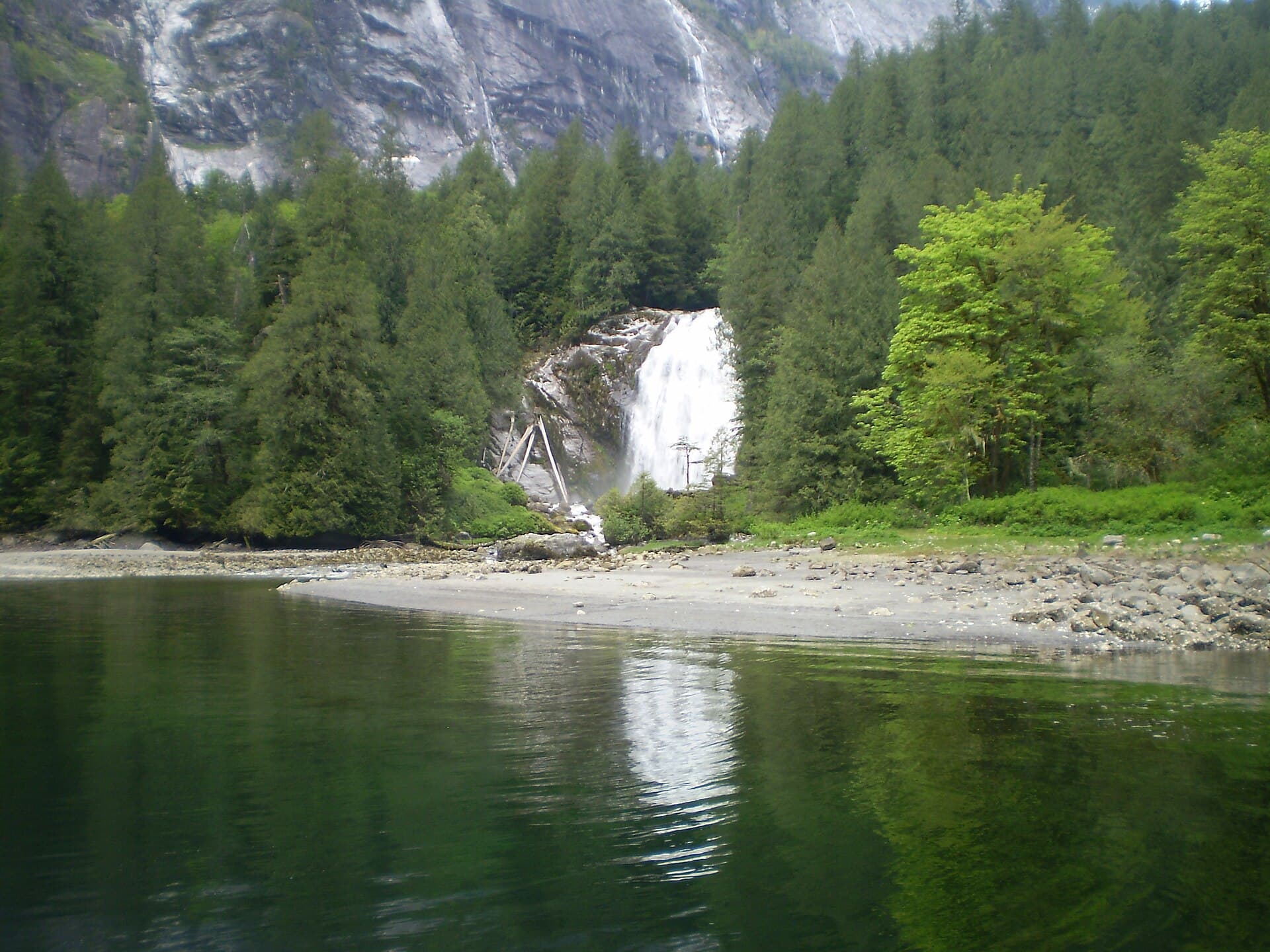
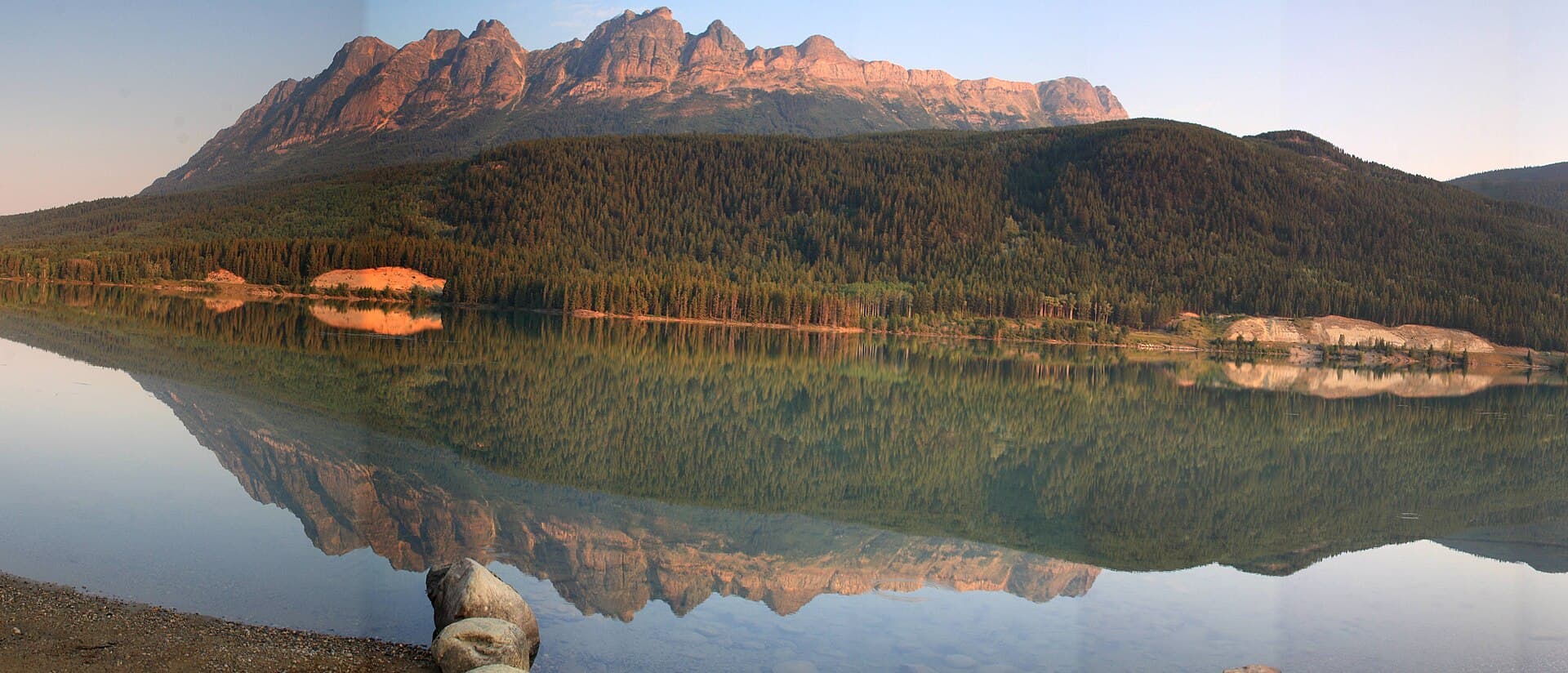
Chatterbox Falls plunges into the sheltered waters of Princess Louisa Inlet, a fjord-like arm of the Pacific reachable only by boat or floatplane. The falls create a constant roar against the steep granite walls of the surrounding Coast Mountains, drawing boaters, kayakers, and photographers seeking an escape from more crowded coastal sites.
Getting There
Most travelers depart from Egmont or Powell River on the Sunshine Coast, joining scheduled boat tours or chartering a vessel for the multi-hour journey through Jervis Inlet. Floatplane services from Vancouver offer a faster aerial approach, landing directly in the inlet. Private boaters should consult marine charts and tide tables, as the narrow entrance to Princess Louisa Inlet requires careful navigation at certain water levels.
What to See and Do
From the water, the main cascade dominates the view, with smaller side streams adding to the mist. Visitors often anchor or tie up at the small public dock and walk short trails along the shoreline for different perspectives. Wildlife sightings include seals, bald eagles, and occasional black bears foraging along the banks. The calm inlet waters also suit kayaking or paddleboarding on windless days.
Best Time to Visit
Summer months from June through September bring the most reliable weather and calmer seas for boat travel. Spring offers higher water volume in the falls but can include cooler temperatures and lingering snow on higher slopes. Fall visits are possible but require monitoring for early storms that affect inlet access.
Nearby Attractions
Within the inlet, the historic Malibu Club and its surrounding marine park provide additional mooring and short hiking options. Further exploration of Jervis Inlet reveals more waterfalls and secluded coves. On the way back to the Sunshine Coast, many visitors stop at nearby parks or viewpoints along Highway 101.
Practical Considerations
The site has minimal facilities, so travelers should pack all necessary supplies including water, food, and waste bags. Respect for the marine environment includes maintaining distance from wildlife and avoiding disturbance to the shoreline vegetation. Cell service is unreliable, making satellite communication or marine radio advisable for longer stays.