Discovering an Ancient Heritage
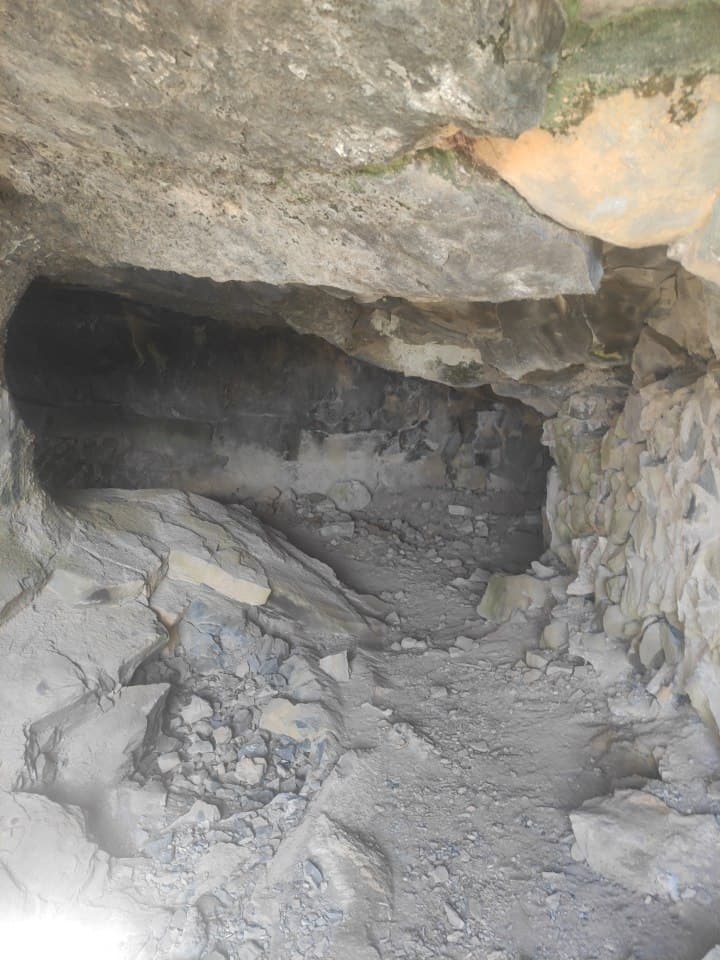
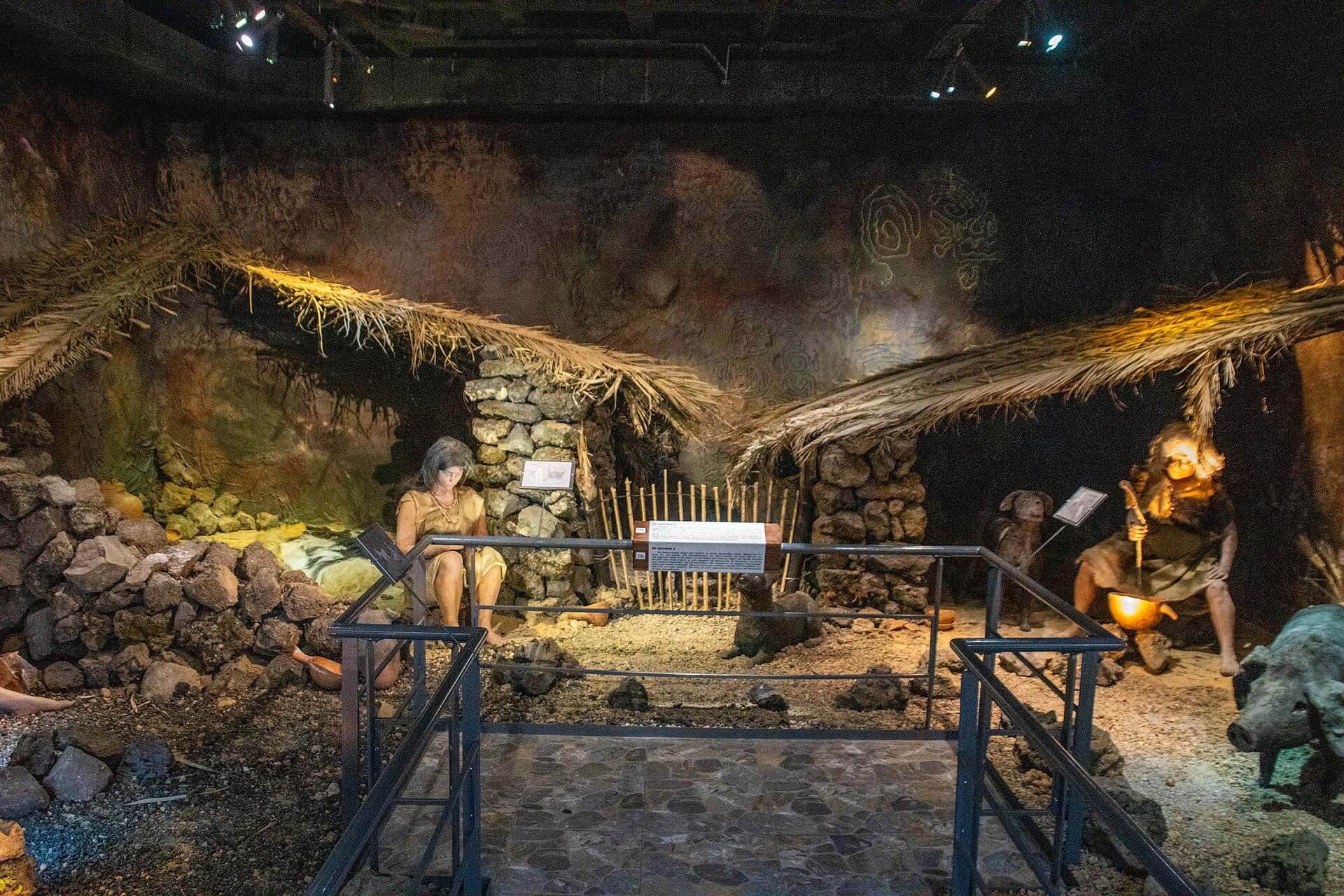
The Caves of Don Gaspar stand as one of Tenerife’s most significant archaeological sites, preserving evidence of Guanche settlement in the fertile valley of Icod de los Vinos. These volcanic lava tubes and rock shelters contain layers of occupation that reveal how early islanders lived, farmed, and buried their dead long before European arrival.
What to See and Do
Visitors walk through a network of accessible chambers where excavation work has uncovered pottery shards, stone tools, and mummified remains. Interpretive panels explain the stratigraphy of the site and the volcanic processes that formed the caves. The surrounding landscape offers short trails that lead to viewpoints over terraced vineyards and the distant Atlantic, letting travelers connect the human story with the island’s dramatic geology.
Practical Exploration Tips
Allow at least ninety minutes to examine the main chambers and surrounding paths. Natural lighting inside the caves varies with the time of day, so bring a small flashlight to study details on the rock walls. The terrain combines uneven volcanic rock with packed earth, making comfortable walking shoes essential.
How to Get There
The site lies on the outskirts of Icod de los Vinos, easily reached by car via the TF-5 motorway from Santa Cruz or Puerto de la Cruz. Local buses stop in the town center, from which a short uphill walk or taxi ride leads to the entrance area. Parking is available near the trailhead for those driving.
Best Time to Visit
Winter and spring bring mild temperatures and fewer crowds, while the surrounding vineyards show their greenest growth. Summer visits are possible but plan for midday heat in the open sections of the ravine. The site remains rewarding year-round because its volcanic setting offers natural shade inside the caves.
Nearby Attractions
Combine a visit with the famous Dragon Tree of Icod, the historic old town with its bodegas, or coastal walks along the black-sand beaches of nearby Garachico. The wine route through the Orotava Valley provides additional context for the agricultural traditions that began with the Guanche people.