Skip to content
Plan & Tour
DestinationsItinerariesTravel BlogAboutContact
0Sign inPlan a trip
Plan & TourPlan & Tour

Travel guides, destination inspiration and curated itineraries for Canada, the USA and beyond, plus a free tool to plan your own day-by-day trip.

Get travel inspiration

Explore

  • All Destinations
  • Curated Itineraries
  • Travel Blog
  • Plan a Trip

Topics

  • Hiking & Nature
  • Food & Drink
  • City Breaks
  • Budget Travel

Company

  • About Us
  • Contact
  • Privacy Policy
  • Terms of Service

© 2026 Plan & Tour. Built for travellers.

Discover the world, one trip at a time.

Cave of the Guanches: Tenerife’s Window into Ancient Guanche Life
  1. Home
  2. Destinations
  3. Icod de los Vinos
  4. Cave of the Guanches: Tenerife’s Window into Ancient Guanche Life
Cave

Cave of the Guanches: Tenerife’s Window into Ancient Guanche Life

Step inside this volcanic cave near Icod de los Vinos to explore the dwellings and burial practices of Tenerife's original inhabitants.

Icod de los VinosUpdated 12 November 2026

Exploring the Cave of the Guanches

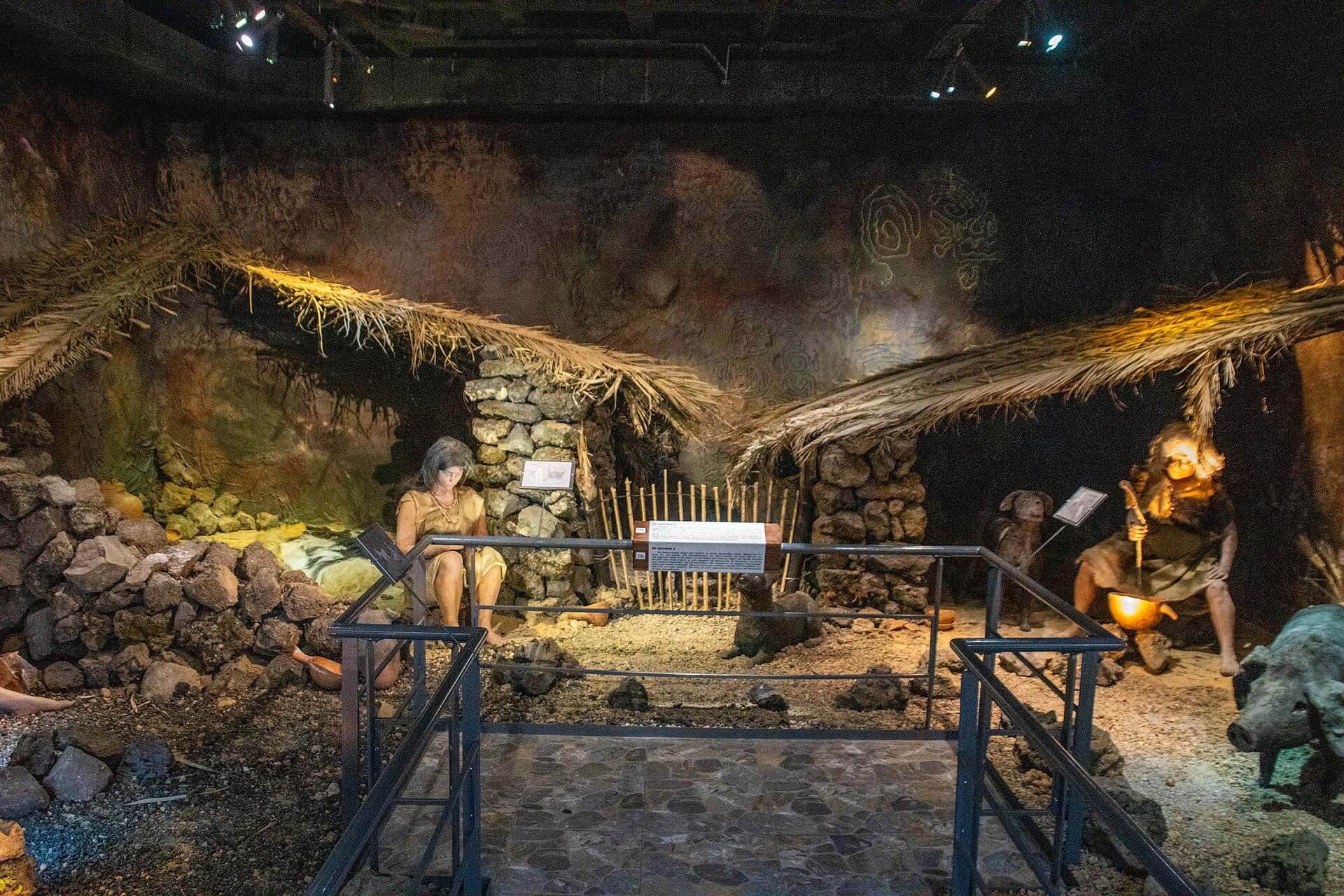
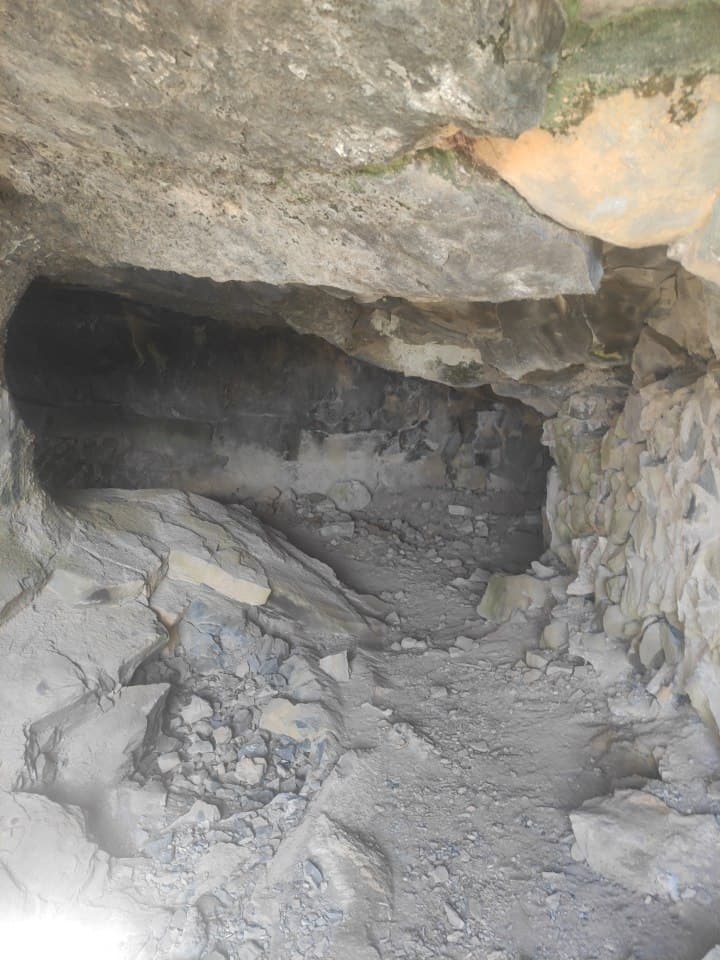
The Cave of the Guanches sits on the slopes above Icod de los Vinos in northern Tenerife, offering visitors a direct connection to the island’s pre-Hispanic past. Formed by ancient lava flows, the cave served as both shelter and sacred space for the Guanche people, who arrived from North Africa centuries before European contact. Today it preserves rock-cut niches, hearths, and burial areas that reveal how these early settlers adapted to the volcanic landscape.

History and Cultural Significance

Archaeological work has shown continuous use of the cave from at least the early centuries AD. The Guanches carved storage pits into the rock, used the space for communal living, and interred their dead in seated positions wrapped in goat-skin shrouds. The site therefore functions as both a dwelling and a necropolis, providing rare insight into Guanche social structure, diet, and spiritual beliefs. Information panels inside explain these findings without overwhelming the natural rock surfaces.

What Visitors Will See

Walkways guide visitors through the main chamber where light filters in from the entrance. Look for the darker patches on the walls left by centuries of hearth fires and the shallow depressions used for grinding grain. Side alcoves still contain traces of the original burial cists. The cave’s cool, steady temperature contrasts with the bright Tenerife sunlight outside, making the interior feel timeless.

Getting There and Practical Access

Reach the cave by following the road that climbs northeast from the center of Icod de los Vinos toward the higher volcanic slopes. Rental cars offer the most flexibility; several regular bus routes also stop within a short walk. Once parked, a short, mostly level path leads to the entrance. Comfortable shoes with good grip are essential because the volcanic rock can be uneven and occasionally slippery from condensation.

Best Time to Visit

The northern coast enjoys mild temperatures year-round, yet spring and autumn bring the most comfortable conditions for walking the surrounding trails. Summer afternoons can feel humid inside the cave, while winter months occasionally bring brief showers that make the approach path slick. Early morning visits avoid any later tour groups and provide softer natural light for photographs.

Nearby Attractions Worth Combining

After the cave, continue into Icod de los Vinos to see the famous ancient Dragon Tree in the town park and sample local wines at small family bodegas. A short drive west reaches the black-sand beaches of Playa de San Marcos, while the higher roads lead toward the laurel forests of the Anaga peninsula for a full-day contrast between coastal cave heritage and misty mountain trails.

Visitor tips

  • Wear sturdy shoes with good traction; the cave floor is uneven volcanic rock that can be damp.
  • Combine the visit with a stop at the Dragon Tree and a local wine tasting in Icod de los Vinos for a complete half-day itinerary.
  • Arrive early in the day to enjoy quieter conditions and softer natural light inside the cave.

Frequently asked questions

How long does a visit to the Cave of the Guanches typically take?+

Most visitors spend 30 to 45 minutes inside the cave, allowing time to read the interpretive panels and examine the main chamber and side alcoves at a relaxed pace.

Is the Cave of the Guanches suitable for children?+

Yes, the walkways are straightforward and there are no steep drops, though parents should keep an eye on younger children around the uneven rock surfaces.

Do I need a guide or can I visit independently?+

The site is designed for self-guided visits with clear information panels; guided tours are occasionally available but not required for a meaningful experience.

What should I bring when visiting the cave?+

Bring water, a light layer for the cooler interior temperature, and a camera with good low-light capability; flash photography is generally discouraged to protect the surfaces.

Are there restrooms or facilities at the Cave of the Guanches?+

Basic facilities are available near the entrance area; more extensive services, including cafu00e9s and restrooms, can be found a short drive away in central Icod de los Vinos.

Share
Google Maps Apple Maps Directions

Image: Fry72 · CC BY-SA 4.0 · via Wikimedia Commons

Keep reading

Nearby & related

All stories
C
Icod de los Vinos

Caves of Don Gaspar: Prehistoric Guanche Caves in Icod de los Vinos

Explore Tenerife’s ancient archaeological caves set amid volcanic vineyards and dramatic ravines.

12 November 2026
Museo Guanche: Exploring Tenerife’s Indigenous Heritage in Icod de los Vinos
Icod de los Vinos

Museo Guanche: Exploring Tenerife’s Indigenous Heritage in Icod de los Vinos

Step into the story of the Guanche people at this focused museum set amid Tenerife’s historic wine region.

12 November 2026