Why the Cave of El Soplao Stands Out
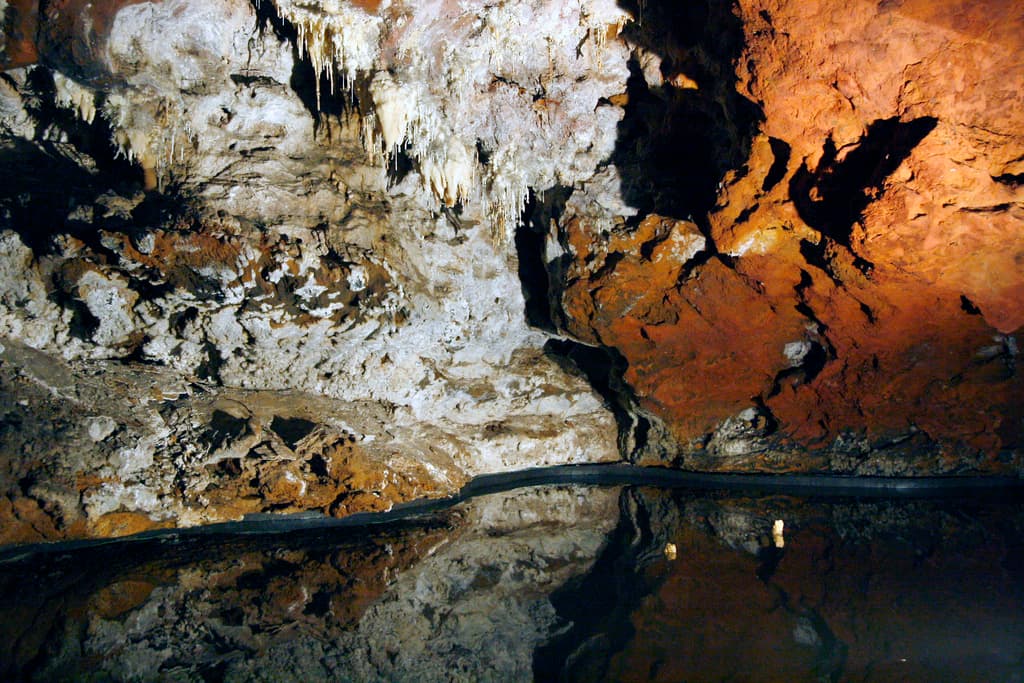
The Cave of El Soplao lies in the Sierra de Arnero mountains of Cantabria, where mining exploration in the early twentieth century revealed an exceptionally preserved subterranean world. Its fame rests on the abundance of helictites—delicate, gravity-defying calcite formations that twist in every direction—alongside classic stalactites, stalagmites, and translucent sheets of flowstone. These features create a landscape that feels more sculptural than natural, drawing geologists and casual visitors alike.
What Visitors See Inside
Guided routes wind through several chambers where lighting highlights the contrast between white calcite and darker host rock. One section showcases “phantom” formations that appear to float, while another reveals fossilized coral reefs from the Cretaceous period embedded in the walls. The cave’s consistent cool temperature and high humidity preserve these delicate structures, which continue to grow at a rate of millimeters per century.
Practical Route Details
Most tours begin with a short train ride that follows the original mining tracks deep into the mountain, reducing walking distance while adding a sense of adventure. After the train, visitors proceed on foot along well-lit, mostly level paths with handrails. The experience emphasizes observation rather than strenuous hiking, making the cave accessible to a wide range of ages and fitness levels.
Getting There and Orientation
The cave sits between the towns of San Vicente de la Barquera and Cabezón de la Sal, roughly halfway along the Cantabrian coast. Drivers reach the entrance via the A-8 motorway exit at El Soplao, followed by a winding mountain road with scenic views. Public buses from Santander or San Vicente stop at nearby villages, after which a short taxi or shuttle completes the journey. Ample parking exists at the visitor center for those arriving by car.
Best Time to Visit
Spring and early autumn offer the most comfortable conditions for the mountain approach and the coolest cave temperatures. Summer brings higher visitor numbers, so arriving early in the day helps avoid crowds. Winter visits remain possible, though occasional heavy rain can affect mountain roads; the cave itself stays dry and stable year-round.
Nearby Attractions Worth Combining
- The medieval town of San Vicente de la Barquera, with its harbor and historic churches, lies twenty minutes away.
- Cabárceno Natural Park, home to open-range wildlife enclosures, sits less than an hour east.
- The dramatic beaches and cliffs of the Costa Quebrada provide a striking surface contrast to the underground experience.