Introduction to Cases de Neu
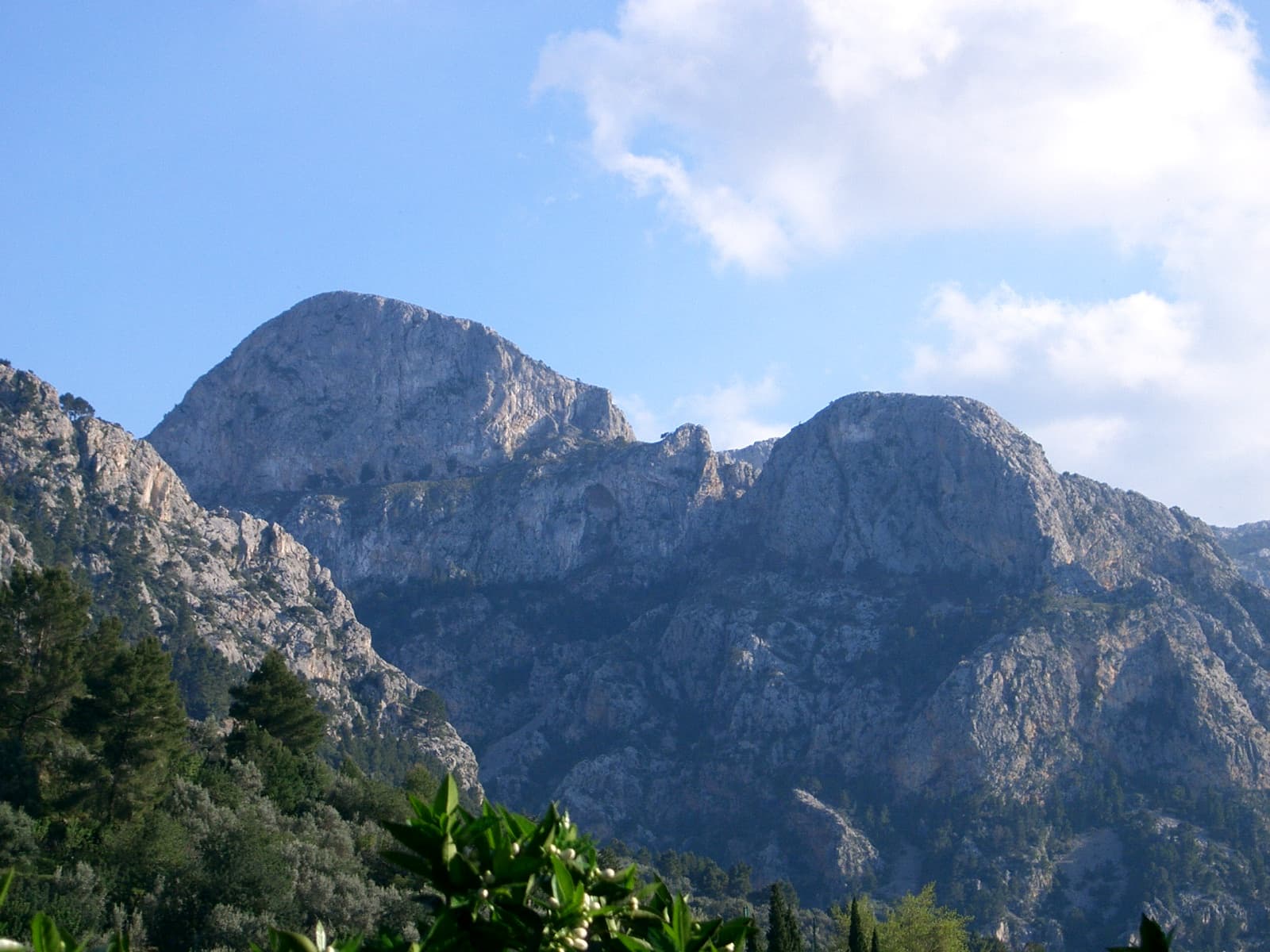
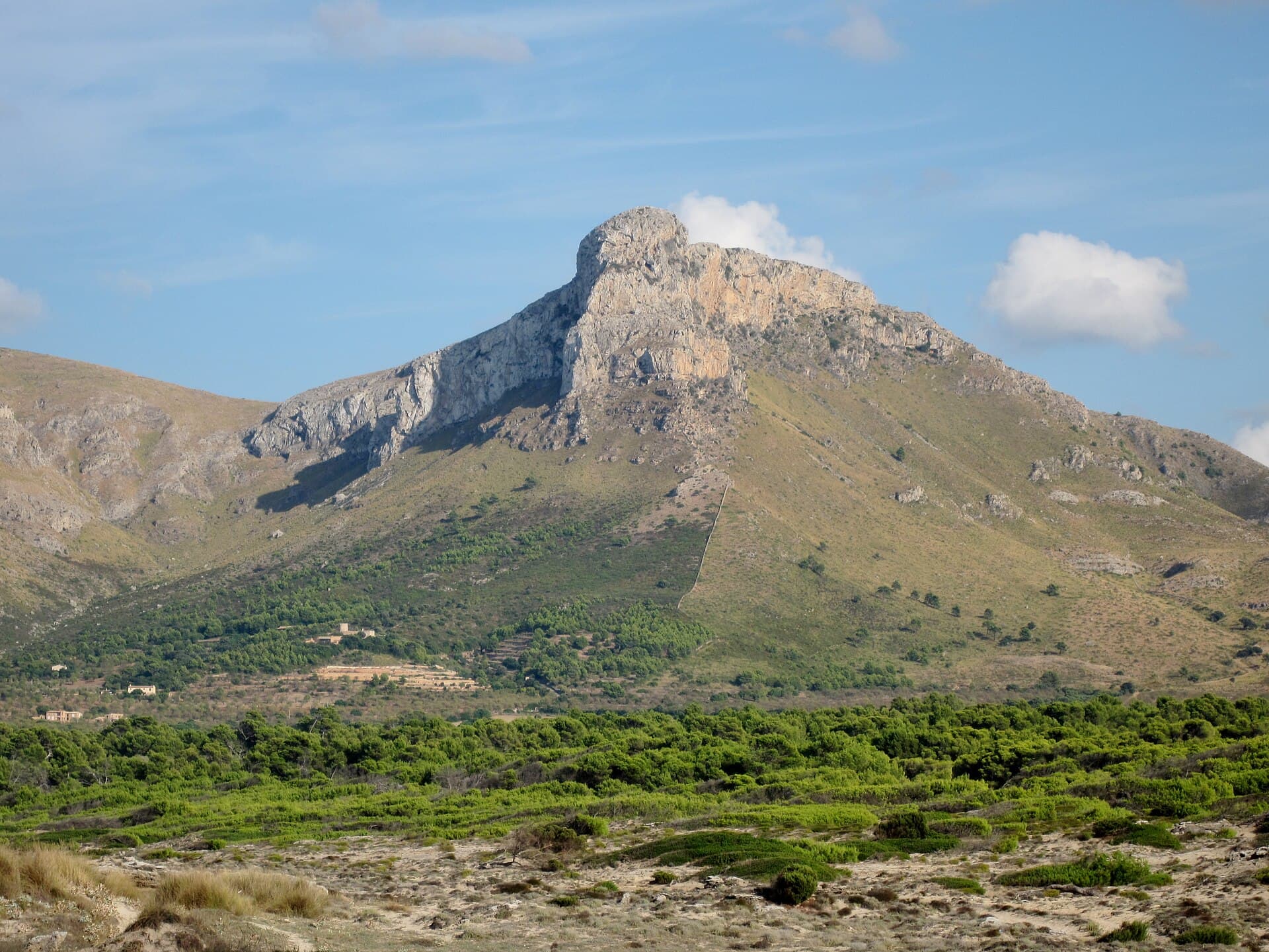
Cases de Neu are traditional dry-stone structures scattered across the higher slopes of Mallorca’s Serra de Tramuntana. Built centuries ago to store compacted snow that was later sold as ice in the lowlands, these vaulted chambers remain striking examples of vernacular architecture and mountain ingenuity. Visitors reach them on foot along well-marked trails that offer sweeping views of pine forests, rocky peaks, and the Mediterranean beyond.
Historical Background
From the sixteenth century onward, snow was collected during rare winter storms and packed into deep pits lined with insulating branches. The Cases de Neu were then sealed with earth and straw until summer, when muleteers carried the ice down to markets in Palma and coastal towns. Although refrigeration ended the trade in the early twentieth century, many structures survive intact, their thick walls and domed roofs still visible against the mountain skyline.
What to See and Do
The most accessible examples lie near the Coll de l’Ofre and the Puig de Massanella trailheads. Hikers can combine visits with longer routes that pass restored shepherd shelters, dry-stone walls, and seasonal springs. Photographers prize the play of light on the pale limestone domes at dawn and dusk. In spring, wild orchids and rosemary line the paths; in autumn, the air is crisp and the visibility exceptional.
Practical Hiking Routes
- Short loop from Coll de l’Ofre parking area (approximately 90 minutes round-trip) reaches three well-preserved Cases de Neu with minimal elevation gain.
- Full-day traverse linking Cases de Neu with the GR-221 dry-stone route offers dramatic ridge views and passes the historic Refugi de l’Ofre.
How to Get There
Most visitors arrive by rental car from Sóller (20 minutes) or Inca (35 minutes). Limited bus service reaches nearby villages; from there, a taxi or pre-arranged transfer is required for the final mountain stretch. Parking is available at established trailheads, though spaces fill quickly on weekends.
Best Time to Visit
Late spring through early autumn provides the most reliable trail conditions. Winter visits are possible but demand snow and ice awareness, as higher paths may be closed. Avoid midday in July and August when temperatures and sun exposure are intense.
Nearby Attractions
Combine your visit with the monastery of Lluc, the terraced village of Fornalutx, or the coastal path at Port de Sóller. The entire Tramuntana range is a UNESCO World Heritage cultural landscape, so every route rewards travelers with layered history and dramatic scenery.